Krius Intelligent Manufacturing (Jiangmen) Co., Ltd.

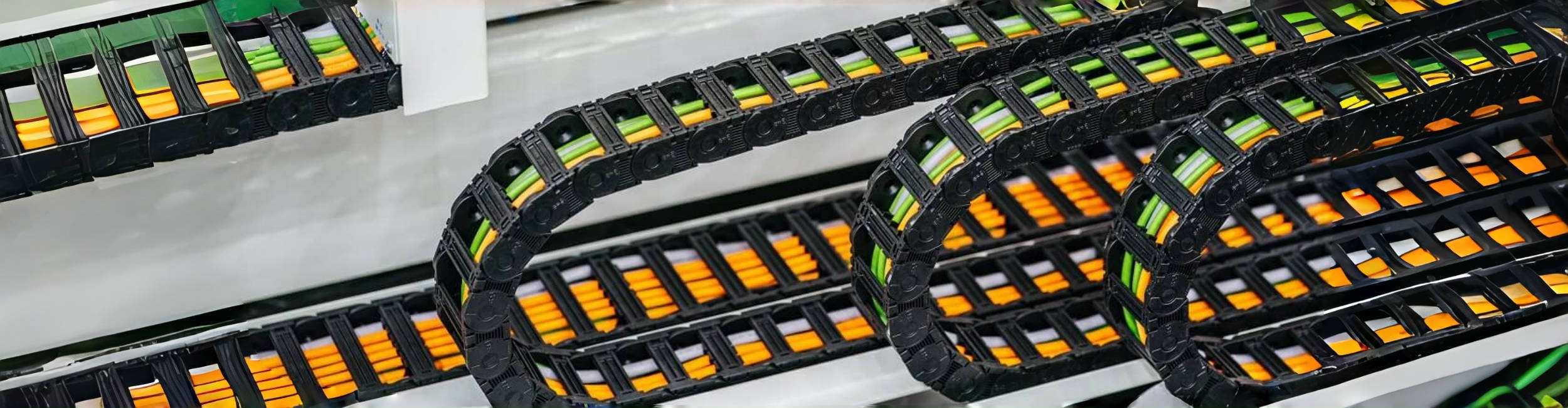
Understanding Plastic Drag Chains: Essential Components for Efficient Machinery
Plastic drag chains, also known as cable carriers or cable chains, are integral to various machinery and automated systems. They are designed to guide and protect moving cables, hoses, and other flexible connections in machinery, ensuring that these components do not tangle or wear prematurely. These chains are essential in environments where motion is constant, such as CNC machining, robotics, an
2026-01-25
One of the primary benefits of plastic drag chains is their lightweight nature compared to traditional metal alternatives. This reduction in weight can lead to lower energy consumption and increased efficiency in machinery operations. Additionally, plastic drag chains are often resistant to chemicals, oils, and other substances commonly found in industrial environments, which extends their lifespan and reduces maintenance costs.
When selecting a plastic drag chain, several factors must be considered. The operating environment plays a crucial role; for example, if the machinery operates in a space with tight bends or requires high flexibility, a specially designed drag chain that can manage such demands should be chosen. Furthermore, the length and width of the drag chain should accommodate the number and size of cables or hoses that will be used.
Another consideration is the chain's design. Many plastic drag chains come with modular components, allowing for easy customization and installation. This modularity can significantly reduce installation time and improve the adaptability of the system as it evolves. Some manufacturers also offer chains with integrated accessories, such as strain relief features and cable guides, which can enhance the overall performance of the system.
In addition to functionality, aesthetics can also play a role in the selection of plastic drag chains. Various colors and surface finishes are available, which can help in organizing and streamlining machine setups, especially in environments where multiple systems are in operation.
To ensure optimal performance, regular maintenance of the drag chains is recommended. Inspections for wear and tear, as well as checking the alignment and movement of the chains, can prevent operational failures and extend the life of both the drag chains and the machinery they serve.
In conclusion, plastic drag chains are essential components in the manufacturing and processing machinery industry. Their lightweight, durable, and customizable nature makes them ideal for a variety of applications. By understanding their features and benefits, manufacturers can optimize their machinery for better performance and longevity.
Related News

Maximizing Efficiency with Cable Drag Chains in Manufacturing
In the realm of manufacturing and machining, the need for organized, efficient, and safe cable management is paramount. This is where cable drag chains come into play. A cable drag chain is designed to house and protect cables, hoses, and other components, allowing for smooth, unhindered movement in machinery. With a variety of designs and configurations available, they cater to specific requireme
How to Troubleshoot Issues with Your Plastic Drag Chain Table of Contents Understanding Plastic Drag Chains Common Issues with Plastic Drag Chains Identifying the Symptoms of Drag Chain Failure Step-by-Step Troubleshooting Guide Preventative Maintenance Tips for Plastic Drag Chains When to Replace Your Drag Chain Best Practices for Installing Drag Chains Conclusion
Subscribe to
Get the latest information on company products


Contact
Add: 14-2,Liandong U Valley,Manufacturing Industrial Park,Tangxia Town,Pengjiang District,Jiangmen City Guangdong Province, China