Krius Intelligent Manufacturing (Jiangmen) Co., Ltd.

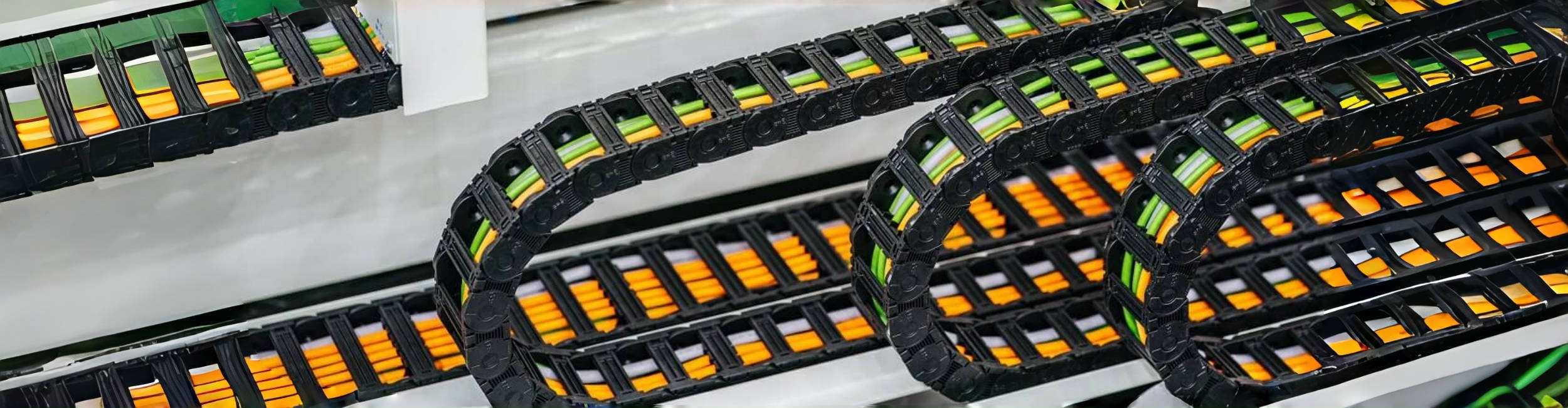
Understanding the Cost-Benefit Analysis of Cable Drag Chains for Manufacturing Efficiency
Understanding the Cost-Benefit Analysis of Cable Drag Chains for Manufacturing Efficiency Cable drag chains are integral components in the manufacturing sector, designed to protect and guide cables in various machinery applications. In this detailed exploration, we will break down the benefits and costs associated with cable drag chains, providing insights that can aid businesses in making informe
2026-01-24
Understanding the Cost-Benefit Analysis of Cable Drag Chains for Manufacturing Efficiency
Cable drag chains are integral components in the manufacturing sector, designed to protect and guide cables in various machinery applications. In this detailed exploration, we will break down the benefits and costs associated with cable drag chains, providing insights that can aid businesses in making informed decisions. Our aim is to clarify how these systems can enhance operational efficiency, ultimately leading to improved profitability.
Table of Contents
1. What are Cable Drag Chains?
2. Benefits of Cable Drag Chains in Manufacturing
- 2.1 Enhanced Protection for Cables
- 2.2 Improved Mobility and Flexibility
- 2.3 Long-Term Cost Savings
3. Costs Associated with Cable Drag Chains
- 3.1 Initial Investment and Installation Costs
- 3.2 Maintenance Expenses
4. Conducting a Cost-Benefit Analysis
5. Real-World Applications of Cable Drag Chains
6. Choosing the Right Cable Drag Chain for Your Needs
7. Expert Insights and Tips
8. FAQs about Cable Drag Chains
9. Conclusion
What are Cable Drag Chains?
Cable drag chains, also known as energy chains or cable carriers, are designed to organize and protect cables and hoses in machinery. These chains allow for unrestricted movement of cables while ensuring they remain free from damage caused by friction, bending, or environmental factors. Typically made from durable plastics or metals, cable drag chains come in various sizes and configurations, making them suitable for a wide range of industrial applications.
Benefits of Cable Drag Chains in Manufacturing
The advantages of incorporating cable drag chains into your manufacturing processes are numerous and significant.
Enhanced Protection for Cables
One of the primary benefits of cable drag chains is the **enhanced protection** they offer for electrical cables and hoses. By keeping cables organized and housed within the drag chain, the risk of damage from abrasion, tangling, and environmental hazards is significantly reduced. This protection extends the lifespan of cables, thereby reducing replacement costs over time.
Improved Mobility and Flexibility
Cable drag chains provide **improved mobility** for machinery operations. They facilitate smooth movement of cables as machines undergo various motions, such as rotation and linear travel. This flexibility helps in optimizing the performance of automated equipment, enhancing overall productivity levels on the manufacturing floor.
Long-Term Cost Savings
Investing in cable drag chains can lead to **long-term cost savings**. Although there may be an initial investment, the reduction in cable damage and the subsequent decrease in maintenance and replacement costs can yield significant savings. Furthermore, the increased efficiency in production processes can positively impact the bottom line.
Costs Associated with Cable Drag Chains
While the benefits are clear, it is also essential to consider the costs involved when integrating cable drag chains into your systems.
Initial Investment and Installation Costs
The **initial investment** for cable drag chains can vary significantly depending on the type, size, and length of the chain required. Installation costs may also be a factor, particularly if professional assistance is needed to ensure proper integration into existing machinery.
Maintenance Expenses
Though cable drag chains are designed for durability, they are not maintenance-free. Over time, wear and tear may necessitate occasional adjustments or replacements. Understanding these **maintenance expenses** is crucial for accurate cost-benefit analysis.
Conducting a Cost-Benefit Analysis
To make a well-informed decision regarding the adoption of cable drag chains, businesses should conduct a thorough **cost-benefit analysis**. This process involves evaluating both quantitative and qualitative factors, including:
- **Initial Setup Costs:** Assess the upfront costs associated with purchasing and installing cable drag chains.
- **Operational Benefits:** Calculate potential increases in productivity and reductions in equipment downtime.
- **Long-Term Savings:** Estimate savings accrued from reduced maintenance and replacement costs for cables.
- **Risk Mitigation:** Factor in the decreased risk of workplace accidents and equipment failure due to cable management issues.
By weighing these factors, businesses can better understand whether investing in cable drag chains aligns with their overall operational goals.
Real-World Applications of Cable Drag Chains
Cable drag chains find applications in various sectors, including:
- **Manufacturing & Assembly Lines:** In these environments, cable drag chains help organize and protect power and control cables for robotic arms and conveyor systems.
- **CNC Machines:** They are critical in CNC machines to ensure that cables remain intact and functional during complex machining operations.
- **Automated Guided Vehicles (AGVs):** In logistics, cable drag chains are used to house cables that power and control AGVs, maintaining their efficiency and reliability.
These applications underscore the versatility and significance of cable drag chains in modern manufacturing.
Choosing the Right Cable Drag Chain for Your Needs
Selecting the appropriate cable drag chain is pivotal. Consider the following factors:
1. **Size and Length:** Ensure the chain can accommodate the number of cables and the required travel length.
2. **Material:** Choose between plastic and metal based on the environment and load requirements.
3. **Bending Radius:** Assess the minimum bending radius of the chain to determine its suitability for your application.
4. **Mounting Options:** Evaluate the mounting styles available to ensure compatibility with existing machinery.
By carefully considering these parameters, you can select a cable drag chain that best meets your operational needs.
Expert Insights and Tips
To maximize the benefits of cable drag chains, consider these expert insights:
- **Regular Inspection:** Periodically inspect the cable drag chains for any signs of wear or damage to prevent unexpected failures.
- **Proper Installation:** Ensure proper installation to facilitate smooth movement and reduce strain on cables.
- **Consult with Manufacturers:** Engage with drag chain manufacturers for tailored solutions that fit your specific needs.
Implementing expert tips can lead to enhanced performance and longevity of cable drag chains.
FAQs about Cable Drag Chains
1. **What materials are cable drag chains made from?**
Cable drag chains can be made from durable plastics or metals, chosen based on the application and environmental conditions.
2. **How do I determine the right size for a cable drag chain?**
Consider the number of cables, their sizes, and the total length the chain needs to cover.
3. **Are cable drag chains maintenance-free?**
While they are designed for durability, cable drag chains require regular inspections and occasional maintenance.
4. **Can cable drag chains be used in outdoor environments?**
Yes, but it’s essential to select chains specifically designed for outdoor use to withstand environmental factors.
5. **What are the typical costs associated with installing cable drag chains?**
Costs can vary widely based on the type and size of the chain, installation complexity, and specific site requirements.
Conclusion
In summary, understanding the cost-benefit analysis of cable drag chains is crucial for manufacturing efficiency. By investing in the right cable drag chains, businesses can enjoy enhanced protection for cables, improved mobility, and substantial long-term savings. While initial costs and maintenance must be factored into any decision, the potential operational benefits make cable drag chains a compelling option for modern manufacturing environments. By following best practices and conducting thorough evaluations, manufacturers can harness the full potential of cable drag chains, driving productivity and profitability.
Related News

Maximizing Efficiency with Cable Drag Chains in Manufacturing
In the realm of manufacturing and machining, the need for organized, efficient, and safe cable management is paramount. This is where cable drag chains come into play. A cable drag chain is designed to house and protect cables, hoses, and other components, allowing for smooth, unhindered movement in machinery. With a variety of designs and configurations available, they cater to specific requireme
How to Troubleshoot Issues with Your Plastic Drag Chain Table of Contents Understanding Plastic Drag Chains Common Issues with Plastic Drag Chains Identifying the Symptoms of Drag Chain Failure Step-by-Step Troubleshooting Guide Preventative Maintenance Tips for Plastic Drag Chains When to Replace Your Drag Chain Best Practices for Installing Drag Chains Conclusion
Subscribe to
Get the latest information on company products


Contact
Add: 14-2,Liandong U Valley,Manufacturing Industrial Park,Tangxia Town,Pengjiang District,Jiangmen City Guangdong Province, China