Krius Intelligent Manufacturing (Jiangmen) Co., Ltd.

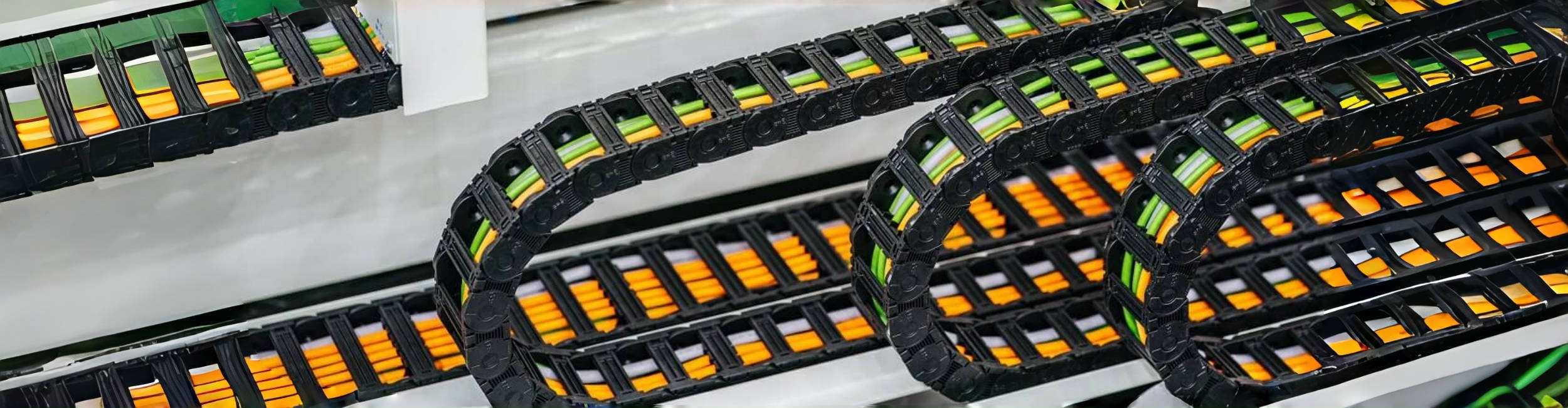
Cost-Effective Solutions: Why Use Plastic Cable Drag Chains in Manufacturing
Cost-Effective Solutions: Why Use Plastic Cable Drag Chains in Manufacturing Introduction to Cable Drag Chains Cable drag chains are integral components in manufacturing and industrial settings. They are designed to guide and protect cables and hoses in various machinery applications. By utilizing drag chains, businesses can ensure smooth operation while minimizing wear and tear on critical compon
2026-01-02
Cost-Effective Solutions: Why Use Plastic Cable Drag Chains in Manufacturing
Introduction to Cable Drag Chains
Cable drag chains are integral components in manufacturing and industrial settings. They are designed to guide and protect cables and hoses in various machinery applications. By utilizing drag chains, businesses can ensure smooth operation while minimizing wear and tear on critical components.
Understanding the Advantages of Plastic Cable Drag Chains
Plastic cable drag chains offer numerous benefits over their metallic counterparts. This section delves into the various advantages that make plastic chains a preferred choice for many industries.
1. Cost-Effectiveness
One of the most compelling reasons to choose plastic cable drag chains is their cost-effectiveness. Unlike metal chains, which can be expensive to manufacture and maintain, plastic chains are typically more affordable. They are lightweight, reducing shipping costs and making them easier to handle during installation.
2. Lightweight and Easy Installation
Plastic cable drag chains are significantly lighter than metal chains, making them easier to install and manipulate. The reduced weight not only simplifies handling but also decreases the overall load on machinery, enhancing the system's efficiency.
3. Resistance to Corrosion and Chemicals
Plastic drag chains possess outstanding resistance to corrosion and various chemicals. This attribute makes them suitable for use in harsh environments where metal chains might degrade over time. The longevity of plastic chains can lead to lower replacement costs and reduced downtime.
4. Design Flexibility
Plastic cable drag chains can be customized to fit specific applications. They come in various sizes, shapes, and configurations, allowing manufacturers to design systems tailored to their unique needs. This flexibility ensures optimal performance in diverse environments.
Applications of Plastic Cable Drag Chains in Manufacturing
Plastic cable drag chains find applications across a wide range of industries. Below are some notable sectors where these chains prove invaluable.
1. CNC Machines
In CNC (Computer Numerical Control) machines, plastic drag chains protect and organize wires and hoses, ensuring efficient movement during machining processes. The chains enable smooth operation while preventing tangling or damage to cables.
2. Automation and Robotics
In automated systems and robotics, plastic drag chains facilitate the seamless movement of power and data cables. Their lightweight nature enables robots to perform tasks with precision and speed, enhancing overall productivity.
3. Material Handling Systems
In material handling applications, plastic drag chains can be employed to manage cables that power conveyor systems. By keeping cables organized and protected, these chains ensure uninterrupted operation and reduce the risk of damage.
Factors to Consider When Choosing Plastic Cable Drag Chains
Selecting the right plastic cable drag chain is pivotal for maximizing performance. Here are critical factors to consider during selection.
1. Load Capacity
Understanding the load capacity of the drag chain is essential. Each chain has a specific weight limit, and exceeding this limit may lead to premature wear or failure. Evaluate the requirements of your machinery to choose an appropriate capacity.
2. Chain Size and Configuration
The size and configuration of the drag chain must correspond to the specific application. Consider the dimensions of the cables and hoses that will be housed within the chain, ensuring a snug but not overly tight fit.
3. Environmental Conditions
Evaluate the environmental conditions in which the drag chains will operate. Factors such as temperature, exposure to chemicals, and moisture levels can influence the material choice and overall performance of the chains.
Maintenance Best Practices for Plastic Cable Drag Chains
Maintaining plastic cable drag chains is crucial for ensuring their longevity and performance. Here are some best practices to follow.
1. Regular Inspections
Conduct regular inspections of the drag chains to identify any signs of wear or damage. Early detection of issues allows for timely interventions, preventing costly downtime.
2. Cleanliness
Keep the drag chains clean and free from debris. Accumulated dirt and grime can affect the movement of cables and hoses, leading to operational inefficiencies.
3. Lubrication
While plastic chains typically require less lubrication than metal chains, applying a suitable lubricant can enhance smooth movement and reduce friction. Consult manufacturer guidelines for lubricant recommendations.
Comparing Plastic Cable Drag Chains to Metal Alternatives
Understanding the differences between plastic and metal cable drag chains can help make informed purchasing decisions.
1. Durability
While metal chains offer strength, they are also prone to rust and corrosion. Plastic chains, on the other hand, are designed to withstand various environmental conditions without deteriorating.
2. Weight Considerations
The lightweight nature of plastic chains translates to easier installation and reduced stress on machinery components, enhancing overall operational efficiency.
3. Cost Analysis
From a financial standpoint, the lower initial cost of plastic chains coupled with their longevity often results in a more favorable total cost of ownership compared to metal alternatives.
Real-World Case Studies: Success with Plastic Cable Drag Chains
Examining real-world applications of plastic cable drag chains can provide valuable insights into their effectiveness.
1. Automotive Manufacturing
In automotive manufacturing, companies have successfully integrated plastic cable drag chains into their assembly lines. The chains effectively manage a multitude of cables, ensuring a streamlined process and reduced maintenance costs.
2. Robotics in Warehousing
A leading warehousing company adopted plastic cable drag chains in their robotic systems. The result was increased efficiency and a significant reduction in cable-related issues, leading to higher productivity levels.
Future Trends in Cable Drag Chains
The future of cable drag chains is promising, with trends pointing toward increased innovation and enhanced functionality.
1. Smart Technology Integration
As industries shift toward smart technology, cable drag chains may incorporate sensors that monitor wear and usage, providing real-time data to improve maintenance scheduling and overall efficiency.
2. Sustainable Materials
Sustainability is becoming increasingly important. Future developments in plastic materials may focus on eco-friendly options that still deliver high performance and durability.
Conclusion
Plastic cable drag chains offer a myriad of benefits, making them an excellent choice for cost-effective solutions in manufacturing environments. Their lightweight design, resistance to chemicals, and customizable configurations contribute to enhanced operational efficiency. By understanding the advantages, applications, and maintenance practices associated with plastic cable drag chains, businesses can make informed decisions that lead to improved performance and reduced costs. As industries continue to evolve, embracing these innovative solutions will be essential for maintaining a competitive edge in the market.
FAQs
1. What are the primary materials used in plastic cable drag chains?
Plastic cable drag chains are predominantly made from high-quality polymers such as nylon, polyethylene, and polypropylene, which provide excellent durability and flexibility.
2. How do plastic cable drag chains affect machine performance?
By organizing and protecting cables during movement, plastic drag chains minimize wear and tear, leading to smoother machine operation and enhanced longevity.
3. Can plastic drag chains be used in outdoor applications?
Yes, plastic drag chains can be utilized in outdoor applications. However, it’s essential to choose materials that can withstand UV exposure and temperature fluctuations.
4. How often should I replace plastic cable drag chains?
The replacement frequency depends on the specific application and usage conditions. Regular inspections will help determine when a replacement is necessary.
5. Are there any weight limitations for plastic cable drag chains?
Yes, each drag chain has a specific load capacity. It’s crucial to adhere to these specifications to prevent damage and ensure optimal performance.
Related News

Maximizing Efficiency with Cable Drag Chains in Manufacturing
In the realm of manufacturing and machining, the need for organized, efficient, and safe cable management is paramount. This is where cable drag chains come into play. A cable drag chain is designed to house and protect cables, hoses, and other components, allowing for smooth, unhindered movement in machinery. With a variety of designs and configurations available, they cater to specific requireme
How to Troubleshoot Issues with Your Plastic Drag Chain Table of Contents Understanding Plastic Drag Chains Common Issues with Plastic Drag Chains Identifying the Symptoms of Drag Chain Failure Step-by-Step Troubleshooting Guide Preventative Maintenance Tips for Plastic Drag Chains When to Replace Your Drag Chain Best Practices for Installing Drag Chains Conclusion
Subscribe to
Get the latest information on company products


Contact
Add: 14-2,Liandong U Valley,Manufacturing Industrial Park,Tangxia Town,Pengjiang District,Jiangmen City Guangdong Province, China