Krius Intelligent Manufacturing (Jiangmen) Co., Ltd.

Understanding Nylon Cable Drag Chains: A Comprehensive Overview
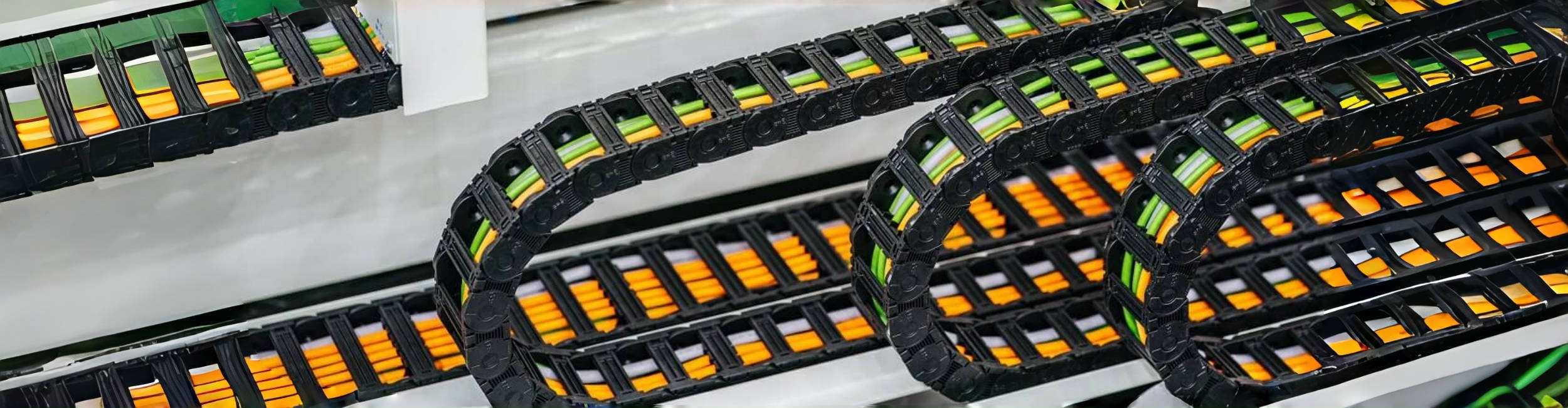
Nylon cable drag chains, also known as energy chains or drag links, play a crucial role in the efficient and safe management of cables and hoses in various machinery applications, particularly in machining and manufacturing processes. These chains are designed to protect and guide moving cables and hoses, ensuring smooth operation and reducing wear and tear over time. One of the primary materials
2026-01-01
One of the primary materials used for these drag chains is nylon, a synthetic polymer known for its strength, flexibility, and durability. Nylon offers several advantages in the design of cable drag chains. Its lightweight nature contributes to reduced overall equipment load, enhancing the efficiency of machine operations. Additionally, nylon's resistance to abrasion and chemical exposure makes it an ideal choice for environments where chains may encounter harsh conditions or substances.
When it comes to installation, nylon cable drag chains are typically mounted along the moving parts of machinery, such as CNC machines, robotics, and conveyor systems. Their modular design allows for easy customization and expansion, catering to specific application requirements. Users can easily add or remove links to accommodate different cable lengths or configurations, making nylon cable drag chains a versatile component in any machine assembly.
One significant benefit of utilizing nylon cable drag chains is their ability to organize cables and hoses, preventing tangling and potential damage. This organized structure not only enhances operational efficiency but also simplifies maintenance tasks. With cables housed within the drag chain, technicians can access them easily for inspection or replacement without disrupting the entire assembly.
Moreover, nylon drag chains contribute to noise reduction during machine operation. The material's inherent dampening properties help minimize vibration and sound, leading to a more pleasant working environment. This is particularly important in large manufacturing facilities where multiple machines operate simultaneously.
In terms of longevity, nylon cable drag chains are designed to withstand continuous movement and stress. However, it is essential to consider factors such as load weight, operating speed, and application environment to ensure optimal performance. Regular inspections and maintenance routines can significantly extend the lifespan of these drag chains, preventing costly downtime and repairs.
In summary, nylon cable drag chains are an indispensable component in manufacturing and machining industries. Their strong, flexible, and durable nature, combined with their ability to organize and protect cables, makes them a practical choice for various applications. By understanding the benefits and functionalities of nylon cable drag chains, manufacturers can enhance their operational efficiency and ensure their machinery operates smoothly over time.
Related News

Maximizing Efficiency with Cable Drag Chains in Manufacturing
In the realm of manufacturing and machining, the need for organized, efficient, and safe cable management is paramount. This is where cable drag chains come into play. A cable drag chain is designed to house and protect cables, hoses, and other components, allowing for smooth, unhindered movement in machinery. With a variety of designs and configurations available, they cater to specific requireme
How to Troubleshoot Issues with Your Plastic Drag Chain Table of Contents Understanding Plastic Drag Chains Common Issues with Plastic Drag Chains Identifying the Symptoms of Drag Chain Failure Step-by-Step Troubleshooting Guide Preventative Maintenance Tips for Plastic Drag Chains When to Replace Your Drag Chain Best Practices for Installing Drag Chains Conclusion
Subscribe to
Get the latest information on company products


Contact
Add: 14-2,Liandong U Valley,Manufacturing Industrial Park,Tangxia Town,Pengjiang District,Jiangmen City Guangdong Province, China