Krius Intelligent Manufacturing (Jiangmen) Co., Ltd.

Common Mistakes to Avoid When Using Nylon Drag Chains: A Comprehensive Guide
Common Mistakes to Avoid When Using Nylon Drag Chains Nylon drag chains are essential components in various manufacturing processes, offering protection and organization for cables and hoses. However, improper use can lead to a myriad of issues, including equipment failure and costly downtime. This guide aims to highlight the **common mistakes** individuals and companies make when utilizing nylon
2025-10-07
Common Mistakes to Avoid When Using Nylon Drag Chains
Nylon drag chains are essential components in various manufacturing processes, offering protection and organization for cables and hoses. However, improper use can lead to a myriad of issues, including equipment failure and costly downtime. This guide aims to highlight the **common mistakes** individuals and companies make when utilizing nylon drag chains, ensuring you achieve the best performance from your equipment.
Understanding Nylon Drag Chains
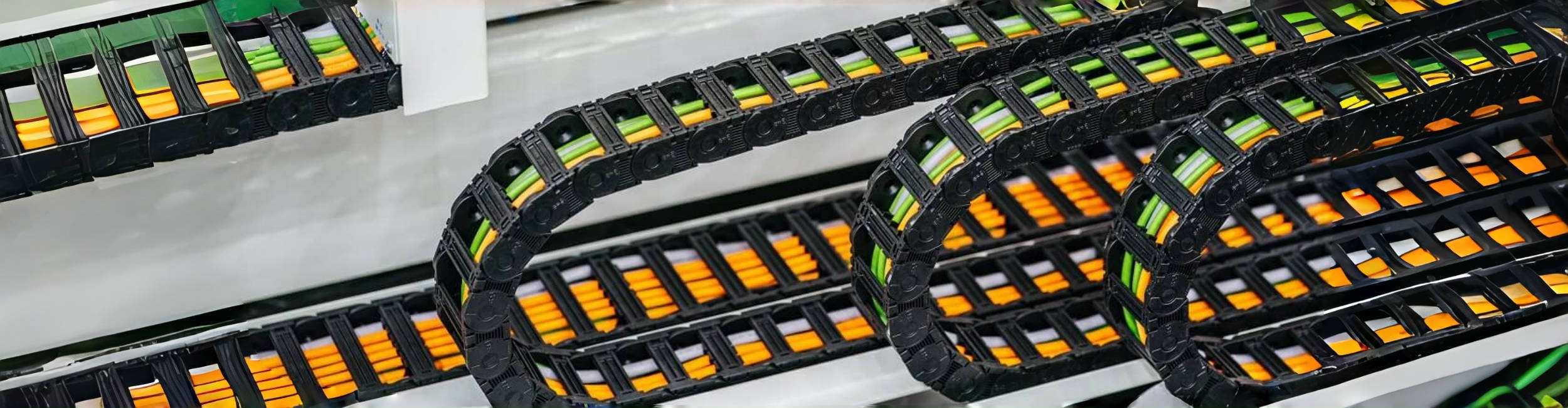
Before diving into common mistakes, it's crucial to understand what nylon drag chains are and how they function. Drag chains, also known as cable carriers or energy chains, are designed to guide and protect moving cables and hoses in machinery. Made from durable nylon, they protect these components from wear and tear, creating a safer and more efficient working environment.
The Importance of Proper Installation
One of the most significant mistakes is neglecting the installation process. **Improper installation** of nylon drag chains can lead to several problems, including:
1. **Increased friction and heat generation**: If the chain is not aligned correctly, it may cause excessive friction, leading to premature wear.
2. **Cable damage**: Incorrectly installed chains can pinch cables, leading to insulation breakdown and potential short circuits.
Tips for Proper Installation
- Ensure alignment: Always install drag chains in a straight line without twists or bends.
- Check load capacity: Make sure the drag chain can handle the weight and movement of the cables or hoses it will protect.
- Use proper mounting brackets: Select brackets that fit the specific dimensions and weight of your cables.
Ignoring Load Capacity and Specifications
Each nylon drag chain has a specified load capacity. **Ignoring these specifications** can lead to significant issues. Overloading a drag chain can cause:
- **Decreased lifespan**: Excess weight can lead to quick deterioration.
- **Failure of components**: Overloaded chains can snap or break, damaging other machinery parts.
How to Determine Load Capacity
1. **Consult manufacturer guidelines**: Always refer to the manufacturer's specifications for load capacity.
2. **Calculate the total weight**: Add the weight of all cables and hoses that will be placed within the drag chain.
Best Practices for Load Management
- Regularly assess the weight of cables and hoses.
- Use lightweight materials when possible to reduce overall weight.
Neglecting Regular Maintenance
Another common mistake is **neglecting regular maintenance** of the nylon drag chains. Like any mechanical component, drag chains require routine checks and maintenance to ensure they operate smoothly. Failing to keep them in top condition can lead to several potential issues:
- **Build-up of dirt and debris**: Accumulation can lead to increased friction and wear.
- **Corrosion**: In humid or wet environments, chains can corrode if not properly maintained.
Maintenance Tips for Longevity
1. **Regular cleaning**: Clean the drag chains periodically to remove dirt and debris.
2. **Lubrication**: Apply appropriate lubricants as recommended by the manufacturer to reduce friction.
3. **Visual inspections**: Regularly inspect for signs of wear and damage.
Signs Your Drag Chain Needs Maintenance
- Unusual noises during operation.
- Visible wear on the chain or cables.
- Difficulty in movement or operation.
Using the Wrong Type of Nylon Drag Chain
Different applications require different types of drag chains. **Using the wrong type** can lead to problems, such as:
- **Inadequate protection**: Some drag chains are not designed for heavy-duty applications.
- **Incompatibility**: Certain chains may not work well with specific cables or hoses, leading to damage.
Choosing the Right Drag Chain
1. **Evaluate the application**: Identify the environment and requirements of your machinery.
2. **Consult experts**: Seek advice from suppliers or manufacturers to find the right fit for your needs.
Types of Nylon Drag Chains
- **Standard chains**: Suitable for light to moderate loads in dry conditions.
- **Heavy-duty chains**: Designed for high-stress environments with heavy loads.
- **Specialized chains**: Tailored for unique applications, such as those exposed to chemicals or extreme temperatures.
Improper Cable Arrangement
An often-overlooked aspect of using nylon drag chains is the organization of cables within them. **Improper cable arrangement** can lead to several issues:
- **Tangled cables**: Poorly arranged cables can tangle, leading to operational issues.
- **Increased wear**: Misalignment can cause accelerated wear on cables and hoses.
Best Practices for Cable Arrangement
1. **Plan before installation**: Map out how cables will be arranged within the drag chain to avoid confusion.
2. **Use separators**: Implement separators or guides to keep cables organized.
Benefits of Proper Cable Arrangement
- Reduced risk of damage.
- Improved operational efficiency.
- Enhanced longevity of cables and chains.
Ignoring Environmental Factors
The environment in which nylon drag chains operate plays a significant role in their performance. **Ignoring environmental factors** can lead to accelerated wear and failure. Key factors include:
- **Temperature extremes**: High or low temperatures can affect the material properties of nylon.
- **Chemical exposure**: Certain chemicals can degrade nylon over time.
How to Account for Environmental Conditions
1. **Choose the right materials**: Select nylon drag chains that are resistant to chemicals or extreme temperatures as needed.
2. **Implement protective measures**: Use covers or shields to protect drag chains from harsh conditions.
Long-Term Impacts of Environmental Neglect
- Shortened lifespan of drag chains and cables.
- Increased maintenance costs.
- Potential safety hazards.
Failing to Train Employees Properly
A critical aspect often overlooked is **employee training**. Inadequate training can lead to misuse of nylon drag chains, resulting in costly mistakes. Employees should be aware of:
- **Proper installation procedures**.
- **Maintenance requirements**.
- **Operational guidelines**.
Developing a Training Program
1. **Create comprehensive manuals**: Develop easy-to-understand manuals outlining best practices.
2. **Conduct regular training sessions**: Organize sessions to keep employees updated on best practices and new equipment.
3. **Encourage feedback**: Foster an environment where employees can share their insights and experiences regarding drag chain use.
Benefits of Employee Training
- Improved efficiency and productivity.
- Reduced risk of accidents and equipment failures.
- Enhanced confidence in handling equipment.
Overlooking the Importance of Quality
Finally, one of the most detrimental mistakes is **overlooking the importance of quality** when selecting nylon drag chains. Investing in lower-quality products can lead to numerous issues, such as:
- **Increased maintenance costs**: Lower-quality chains may require more frequent replacements and repairs.
- **Operational failures**: Poor-quality chains are more prone to breakage.
Identifying Quality Nylon Drag Chains
1. **Research reputable manufacturers**: Look for established brands known for producing high-quality drag chains.
2. **Read reviews and testimonials**: Investigate customer experiences to gauge product reliability.
Benefits of Investing in Quality
- Enhanced durability and longevity.
- Improved performance and efficiency.
- Reduced risk of unexpected failures.
Frequently Asked Questions (FAQs)
1. What are nylon drag chains used for?
Nylon drag chains are used to organize and protect cables and hoses in machinery, allowing for smooth movement and reducing wear.
2. How often should I maintain my nylon drag chains?
Regular maintenance should be performed at least monthly, or more frequently in high-use environments.
3. Can nylon drag chains be used outdoors?
Yes, but ensure you select chains that are specifically designed to withstand outdoor conditions, including UV exposure and temperature fluctuations.
4. How do I know if my drag chain is overloaded?
Signs include unusual noises, difficulty in movement, or visible wear on the drag chain or cables.
5. What should I do if my drag chain breaks?
Immediately stop the equipment, assess the damage, and replace the broken drag chain with a suitable replacement.
Conclusion
Understanding and avoiding common mistakes when using nylon drag chains is essential for maintaining operational efficiency and prolonging the lifespan of your equipment. By focusing on proper installation, regular maintenance, correct cable arrangement, and employee training, you can significantly reduce the risk of costly errors. Investing in high-quality nylon drag chains tailored to your specific needs will ultimately yield better performance and reliability, ensuring smoother operations in your manufacturing processes.
Related News

Maximizing Efficiency with Cable Drag Chains in Manufacturing
In the realm of manufacturing and machining, the need for organized, efficient, and safe cable management is paramount. This is where cable drag chains come into play. A cable drag chain is designed to house and protect cables, hoses, and other components, allowing for smooth, unhindered movement in machinery. With a variety of designs and configurations available, they cater to specific requireme
How to Troubleshoot Issues with Your Plastic Drag Chain Table of Contents Understanding Plastic Drag Chains Common Issues with Plastic Drag Chains Identifying the Symptoms of Drag Chain Failure Step-by-Step Troubleshooting Guide Preventative Maintenance Tips for Plastic Drag Chains When to Replace Your Drag Chain Best Practices for Installing Drag Chains Conclusion
Subscribe to
Get the latest information on company products


Contact
Add: 14-2,Liandong U Valley,Manufacturing Industrial Park,Tangxia Town,Pengjiang District,Jiangmen City Guangdong Province, China