Krius Intelligent Manufacturing (Jiangmen) Co., Ltd.

Understanding Plastic Cable Drag Chains: Essential Components for Efficient Machinery Operations
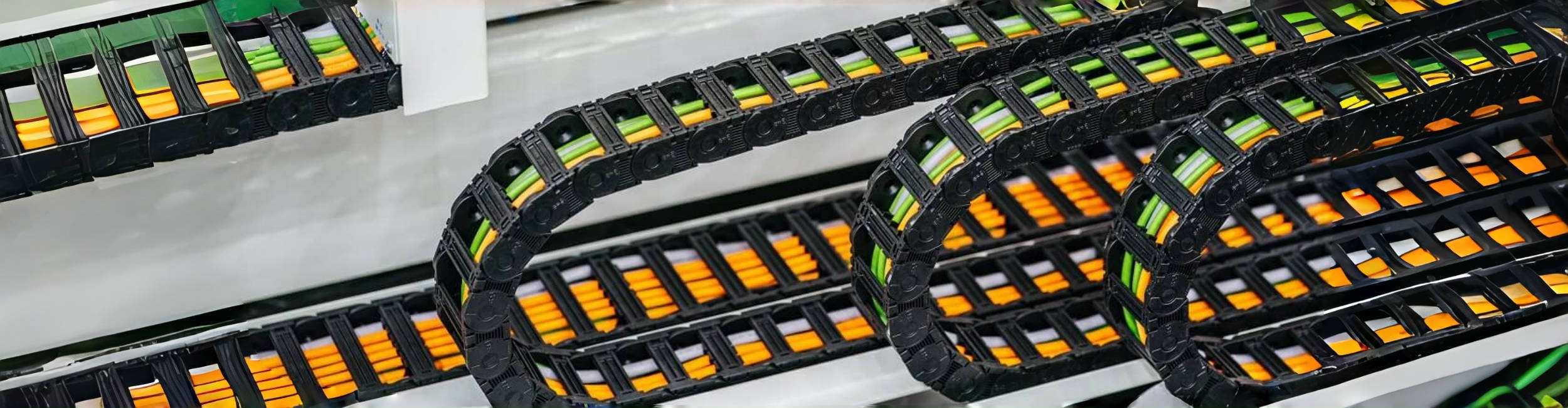
Plastic cable drag chains are integral components used in various manufacturing and machining processes, particularly in machine tool accessories. These chains serve as protective carriers for cables, hoses, and other flexible connections, ensuring organized and efficient movement throughout the machinery. Understanding the various aspects of plastic cable drag chains can greatly enhance operation
2025-10-06
One of the primary advantages of using plastic cable drag chains is their lightweight nature. Unlike metal drag chains, plastic versions are easier to handle and install, making them suitable for applications where weight reduction is critical. This is especially beneficial in automated systems, where minimizing inertia can lead to faster cycle times and improved overall performance.
Plastic cable drag chains also offer excellent resistance to wear and tear, which is crucial in environments with high movement frequency. Many plastic chains are manufactured from specialized polymers that provide durability against abrasion and impact, ensuring that they can withstand repetitive motion without significant degradation. This resilience translates to reduced maintenance costs and longer service life, making them a cost-effective choice in the long run.
Another significant factor to consider when selecting plastic cable drag chains is their adaptability. These chains come in various sizes, shapes, and configurations, allowing them to be tailored to specific applications. Whether it’s for CNC machines, robotics, or any type of automated equipment, you can find plastic drag chains that fit the unique requirements of your setup.
Additionally, the design of plastic cable drag chains often incorporates features that promote smooth operation. Many chains include internal separators that keep cables and hoses organized, preventing tangling and damage during movement. This thoughtful engineering enhances the reliability of machinery and minimizes the risk of downtime due to cable failure.
When choosing plastic cable drag chains, it is essential to consider factors such as bend radius, chain length, and the environment in which they will be used. For instance, some environments may expose the chains to chemicals or extreme temperatures, necessitating the selection of materials that can withstand these conditions without compromising performance.
In summary, plastic cable drag chains are vital components in manufacturing and machining applications, providing a reliable solution for organizing and protecting cables and hoses. Their lightweight, durable, and adaptable nature makes them a preferred choice across various industries. By understanding their benefits and applications, businesses can make informed decisions that enhance operational efficiency and equipment longevity.
Related News

Maximizing Efficiency with Cable Drag Chains in Manufacturing
In the realm of manufacturing and machining, the need for organized, efficient, and safe cable management is paramount. This is where cable drag chains come into play. A cable drag chain is designed to house and protect cables, hoses, and other components, allowing for smooth, unhindered movement in machinery. With a variety of designs and configurations available, they cater to specific requireme
How to Troubleshoot Issues with Your Plastic Drag Chain Table of Contents Understanding Plastic Drag Chains Common Issues with Plastic Drag Chains Identifying the Symptoms of Drag Chain Failure Step-by-Step Troubleshooting Guide Preventative Maintenance Tips for Plastic Drag Chains When to Replace Your Drag Chain Best Practices for Installing Drag Chains Conclusion
Subscribe to
Get the latest information on company products


Contact
Add: 14-2,Liandong U Valley,Manufacturing Industrial Park,Tangxia Town,Pengjiang District,Jiangmen City Guangdong Province, China