Krius Intelligent Manufacturing (Jiangmen) Co., Ltd.

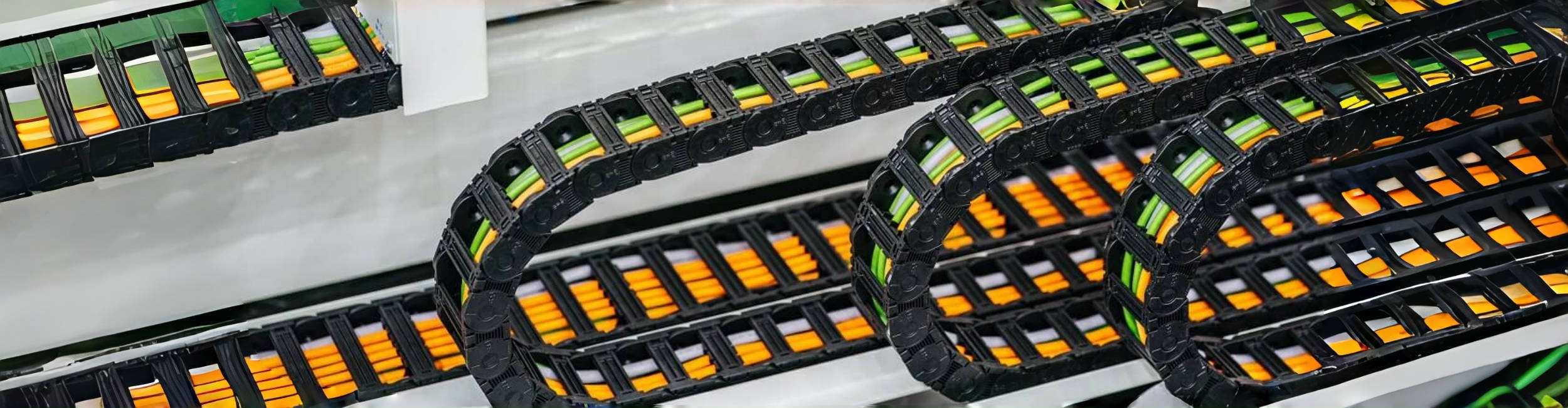
Discovering the Best Practices for Plastic Cable Drag Chain Maintenance
Discovering the Best Practices for Plastic Cable Drag Chain Maintenance Table of Contents 1. Introduction to Plastic Cable Drag Chains 2. Why Maintenance Matters for Drag Chains 3. Understanding the Components of a Plastic Cable Drag Chain 4. Best Practices for Maintaining Plastic Cable Drag Chains 4.1 Cleaning Procedures 4.2 Regular Inspection Tec
2026-09-07
Discovering the Best Practices for Plastic Cable Drag Chain Maintenance
Table of Contents
- 1. Introduction to Plastic Cable Drag Chains
- 2. Why Maintenance Matters for Drag Chains
- 3. Understanding the Components of a Plastic Cable Drag Chain
- 4. Best Practices for Maintaining Plastic Cable Drag Chains
- 4.1 Cleaning Procedures
- 4.2 Regular Inspection Techniques
- 4.3 Lubrication Guidelines
- 4.4 Proper Installation Techniques
- 5. Troubleshooting Common Issues
- 6. Case Studies: Success Stories in Maintenance
- 7. Frequently Asked Questions
- 8. Conclusion
1. Introduction to Plastic Cable Drag Chains
Plastic cable drag chains are an essential component in modern manufacturing and machinery, designed to protect and manage moving cables and hoses. These chains are engineered to provide flexibility and durability, allowing for smooth motion in various applications, from CNC machines to robotic arms. Understanding how to maintain these chains is vital to ensuring their longevity and effectiveness.
2. Why Maintenance Matters for Drag Chains
The importance of regular maintenance for plastic cable drag chains cannot be overstated. Well-maintained drag chains significantly reduce the risk of cable wear and tear, minimize downtime, and enhance overall operational efficiency. Neglecting maintenance can lead to costly repairs, safety hazards, and eventual equipment failure. Therefore, implementing best practices for maintenance is crucial for any organization relying on these components.
3. Understanding the Components of a Plastic Cable Drag Chain
To maintain plastic cable drag chains effectively, it is essential to understand their key components:
3.1 Chain Links
The links of a drag chain are typically made from high-quality plastic materials, designed to withstand wear and varying temperatures. Regular checks for cracks or deformities in the links will ensure the chain's integrity.
3.2 Carrier Plates
Carrier plates help secure the cables and hoses within the chain. Ensuring these plates are not damaged or loose is vital for maintaining the chain's structure.
3.3 Cable Management System
A well-organized cable management system within the chain minimizes friction and prevents tangling, which can lead to damage and inefficiency.
3.4 Mounting Brackets
Mounting brackets are essential for securing the drag chain to machinery. Proper installation and maintenance of these brackets prevent movement and misalignment during operations.
4. Best Practices for Maintaining Plastic Cable Drag Chains
Adopting effective maintenance practices can prolong the life of plastic cable drag chains. Below are core practices to consider:
4.1 Cleaning Procedures
Regular cleaning of the drag chain is essential to remove debris, dust, and other contaminants. Use a soft brush and compressed air to clean out the interior of the chain. For stubborn grime, a damp cloth with mild detergent can be used. Always ensure that the chain is dry before reinstallation.
4.2 Regular Inspection Techniques
Conducting regular inspections can identify potential issues before they escalate. Check for the following:
- Cracks and wear on chain links
- Proper alignment of the chain
- Condition of the cables inside the chain
- Ensure carrier plates are secure
Establish a routine inspection schedule, ideally every month, depending on the usage intensity.
4.3 Lubrication Guidelines
Lubrication is critical for reducing friction and wear. Use a recommended lubricant specifically designed for plastic components. Apply the lubricant sparingly to avoid attracting dirt and other contaminants. A well-lubricated drag chain operates more efficiently, reducing the strain on motors and other machinery.
4.4 Proper Installation Techniques
Correct installation of drag chains can minimize future maintenance issues. Follow these guidelines:
- Ensure the chain is correctly sized for the application.
- Use appropriate mounting brackets to avoid misalignment.
- Maintain a proper bend radius to prevent excessive wear on cables and hoses.
- Avoid overloading the chain beyond its capacity.
5. Troubleshooting Common Issues
Even with diligent maintenance, problems may arise. Here are common issues and their solutions:
5.1 Chain Jamming
If the chain jams, check for cable tangling or foreign objects lodged within the chain. Ensure that the installation adheres to recommended guidelines.
5.2 Excessive Wear
Excessive wear on the drag chain can indicate poor lubrication, incorrect installation, or an overload situation. Reassess your maintenance routine and adjust as necessary.
5.3 Noise During Operation
Unusual noises can suggest misalignment or insufficient lubrication. Conduct a thorough inspection to identify and rectify the issue.
6. Case Studies: Success Stories in Maintenance
Numerous organizations have successfully enhanced their operations through effective maintenance of plastic cable drag chains:
6.1 Case Study: Automotive Manufacturer
An automotive manufacturer implemented a strict maintenance schedule for their drag chains, resulting in a 30% reduction in downtime. By adopting regular inspections and cleaning protocols, they extended the lifespan of their chains significantly.
6.2 Case Study: Conveyor Systems
A company specializing in conveyor systems reported improved efficiency after introducing a lubrication regimen tailored to their drag chains. They experienced fewer mechanical failures and lower operational costs.
7. Frequently Asked Questions
7.1 How often should I inspect my plastic cable drag chains?
It is advisable to inspect your plastic cable drag chains at least once a month, depending on usage.
7.2 What type of lubricant is best for plastic drag chains?
Use a lubricant specifically designed for plastic components, ensuring it is compatible and non-damaging.
7.3 Can I clean my drag chains with water?
Yes, but ensure that they are completely dry before reinstallation. Avoid using harsh chemicals that could degrade the plastic.
7.4 What should I do if I notice excessive wear on my drag chain?
Reassess your maintenance routine, check for lubrication, and ensure that the installation complies with recommended guidelines.
7.5 Is it necessary to replace drag chains periodically?
Yes, even with maintenance, drag chains will eventually wear out. Regular inspections will help determine when replacement is necessary.
8. Conclusion
Maintaining plastic cable drag chains is vital for ensuring the longevity and efficiency of your machinery. By adopting best practices such as regular cleaning, inspections, proper lubrication, and correct installation, you can significantly reduce downtime and extend the lifespan of your equipment. Implementing these strategies not only enhances operational efficiency but also contributes to long-term cost savings. With a proactive approach to maintenance, organizations can avoid common pitfalls and keep their machinery running smoothly.
Related News

Maximizing Efficiency with Cable Drag Chains in Manufacturing
In the realm of manufacturing and machining, the need for organized, efficient, and safe cable management is paramount. This is where cable drag chains come into play. A cable drag chain is designed to house and protect cables, hoses, and other components, allowing for smooth, unhindered movement in machinery. With a variety of designs and configurations available, they cater to specific requireme
How to Troubleshoot Issues with Your Plastic Drag Chain Table of Contents Understanding Plastic Drag Chains Common Issues with Plastic Drag Chains Identifying the Symptoms of Drag Chain Failure Step-by-Step Troubleshooting Guide Preventative Maintenance Tips for Plastic Drag Chains When to Replace Your Drag Chain Best Practices for Installing Drag Chains Conclusion
Subscribe to
Get the latest information on company products


Contact
Add: 14-2,Liandong U Valley,Manufacturing Industrial Park,Tangxia Town,Pengjiang District,Jiangmen City Guangdong Province, China