Krius Intelligent Manufacturing (Jiangmen) Co., Ltd.

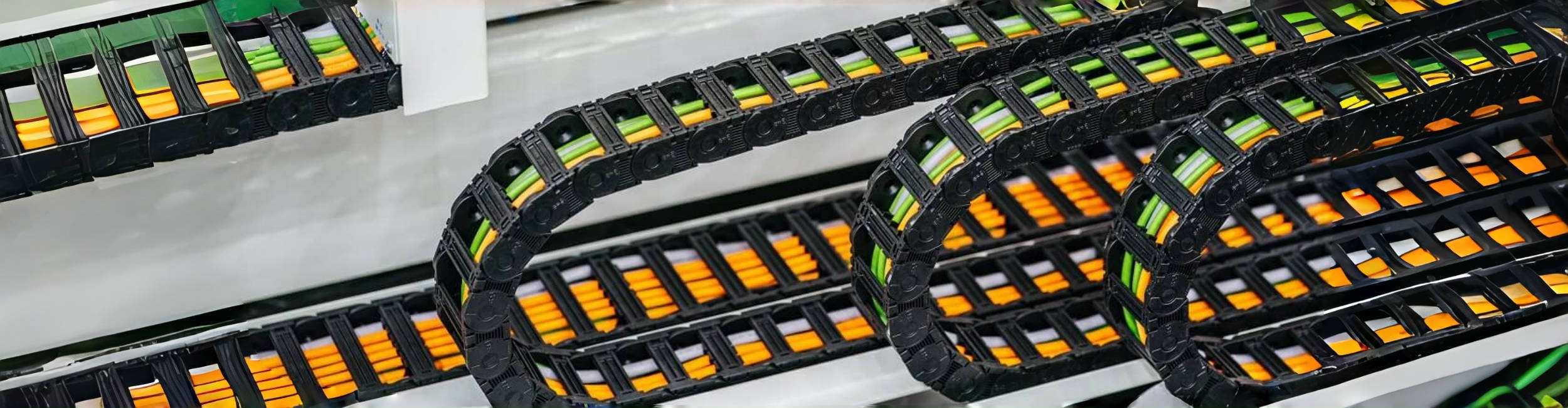
Common Myths About Plastic Cable Drag Chains Debunked
Understanding Plastic Cable Drag Chains: Debunking Common Myths Plastic cable drag chains have become essential components in the realm of manufacturing and automation. Yet, misconceptions about their durability, functionality, and overall efficacy abound. This article aims to debunk prevalent myths surrounding plastic cable drag chains, providing a clear understanding of their advantages, applica
2026-08-20
Understanding Plastic Cable Drag Chains: Debunking Common Myths
Plastic cable drag chains have become essential components in the realm of manufacturing and automation. Yet, misconceptions about their durability, functionality, and overall efficacy abound. This article aims to debunk prevalent myths surrounding plastic cable drag chains, providing a clear understanding of their advantages, applications, and maintenance.
Table of Contents
- Myth 1: Plastic Cable Drag Chains Are Not Durable Enough
- Myth 2: They Are Only Suitable for Light Applications
- Myth 3: All Plastic Cable Drag Chains Are the Same
- Myth 4: Plastic Drag Chains Are Hard to Install
- Myth 5: They Require Frequent Maintenance
- Myth 6: Plastic Cable Drag Chains Are Expensive
- Myth 7: They Are Not Environmentally Friendly
- Myth 8: Plastic Cable Drag Chains Will Not Meet Industry Standards
- Conclusion
- Frequently Asked Questions
Myth 1: Plastic Cable Drag Chains Are Not Durable Enough
Many believe that plastic cable drag chains lack the robustness found in metal alternatives. However, advancements in materials science have led to the development of high-performance plastics that offer exceptional strength and resistance to wear and tear. These chains can withstand harsh environmental conditions, including extreme temperatures and corrosive substances, making them suitable for various applications.
Material Composition and Strength
Modern plastic drag chains are manufactured using reinforced materials such as nylon and polyamide, which enhance their structural integrity. Unlike outdated perceptions, these materials can handle significant stress and motion without compromising their performance.
Real-World Applications Demonstrating Durability
In industries ranging from automotive to aerospace, plastic cable drag chains have proven their durability. They are often used in robotic applications, CNC machines, and conveyor systems, where reliability and longevity are paramount.
Myth 2: They Are Only Suitable for Light Applications
Another prevalent misconception is that plastic cable drag chains are only effective for light-duty applications. On the contrary, they can efficiently manage heavy-duty tasks.
Heavy Load Capacity
Plastic drag chains are designed to accommodate various weights, including heavy cables and hoses. The structural design of these chains allows them to distribute weight evenly, reducing wear on both the chain and the cables inside.
Diverse Industrial Uses
From industrial machinery to automated assembly lines, plastic cable drag chains are versatile enough to be used across numerous sectors, demonstrating their capability to handle various workloads.
Myth 3: All Plastic Cable Drag Chains Are the Same
Not all plastic cable drag chains are created equal. Different designs and materials cater to specific needs in various applications.
Customization and Variety
Manufacturers offer a range of designs, including open and closed structures, with specific options for mounting and cable management. Understanding these differences is crucial for selecting the right drag chain for your project.
Choosing the Right Type for Your Needs
Factors such as the environment, application type, and load requirements should guide your choice in drag chains. Custom solutions are often available, ensuring optimal performance tailored to your needs.
Myth 4: Plastic Drag Chains Are Hard to Install
Installation complexity is often cited as a deterrent to using plastic cable drag chains. However, they are designed for user-friendly assembly and quick installation.
Simplified Installation Process
Most plastic drag chains feature easy-open designs that allow for quick access to the internal space for cable placement. Additionally, many manufacturers provide detailed instructions and support to simplify the installation process.
Time-Saving Advantages
Ease of installation not only reduces downtime but also minimizes the risk of errors during setup, ultimately saving you time and resources.
Myth 5: They Require Frequent Maintenance
The belief that plastic cable drag chains necessitate constant upkeep is another misconception. In reality, they are remarkably low-maintenance.
Maintenance-Free Performance
Thanks to their robust materials and design, plastic cable drag chains often require little to no maintenance. Regular inspections are sufficient to ensure they remain in optimal condition.
Cost-Effectiveness Over Time
Reduced maintenance not only saves time and labor costs but also contributes to the overall cost-effectiveness of using plastic drag chains in your operations.
Myth 6: Plastic Cable Drag Chains Are Expensive
Many assume that investing in plastic cable drag chains is financially burdensome. However, this perspective overlooks their long-term value.
Initial Cost vs. Long-Term Savings
While the upfront cost may be comparable to metal chains, the longevity, reduced maintenance requirements, and increased productivity often lead to significant savings over time.
Budget-Friendly Options
With a variety of models available at different price points, businesses can find budget-friendly solutions without sacrificing quality or performance.
Myth 7: They Are Not Environmentally Friendly
Concerns regarding environmental impact often arise with plastic products. However, many plastic cable drag chains are produced using recyclable materials.
Recyclability and Eco-Friendly Options
Manufacturers are increasingly adopting sustainable practices, creating drag chains from recyclable plastics and reducing their overall carbon footprint.
Industry Moves Towards Sustainability
As industries move toward sustainability, the adoption of eco-friendly materials in manufacturing processes is becoming more common, further enhancing the environmental credentials of plastic cable drag chains.
Myth 8: Plastic Cable Drag Chains Will Not Meet Industry Standards
Finally, there is a belief that plastic cable drag chains do not meet necessary industry standards. This myth is easily debunked by examining existing certifications and standards.
Compliance and Certification
Many manufacturers ensure their products comply with international standards, providing assurance that plastic cable drag chains are safe and effective for industrial use.
Industry Endorsements and Case Studies
Numerous case studies highlight successful implementations of plastic drag chains in various industries, showcasing their reliability and performance capabilities.
Conclusion
The myths surrounding plastic cable drag chains can create misconceptions that hinder their adoption across various industries. By debunking these myths, we can highlight their durability, versatility, and cost-effectiveness. As manufacturing continues to evolve, understanding the true capabilities of plastic cable drag chains is essential for making informed decisions that enhance operational efficiency and productivity.
Frequently Asked Questions
1. What are plastic cable drag chains used for?
Plastic cable drag chains are designed to guide and protect cables and hoses in moving applications, such as robotics, machinery, and conveyor systems.
2. How do I choose the right plastic drag chain for my application?
Consider factors such as load capacity, environmental conditions, and specific design requirements when selecting a plastic drag chain.
3. Are plastic drag chains suitable for outdoor use?
Yes, many plastic drag chains are designed to withstand outdoor conditions, including UV exposure and temperature fluctuations.
4. What materials are commonly used in plastic cable drag chains?
Common materials include nylon, polyamide, and other high-performance plastics that offer strength and resistance to wear.
5. Can plastic drag chains be customized for specific applications?
Absolutely! Many manufacturers offer customizable options to meet specific requirements in different industrial applications.
By providing clear insights and debunking myths, this article equips readers with the knowledge necessary to make informed decisions about plastic cable drag chains, thus promoting their rightful place in modern manufacturing and machinery.
Related News

Maximizing Efficiency with Cable Drag Chains in Manufacturing
In the realm of manufacturing and machining, the need for organized, efficient, and safe cable management is paramount. This is where cable drag chains come into play. A cable drag chain is designed to house and protect cables, hoses, and other components, allowing for smooth, unhindered movement in machinery. With a variety of designs and configurations available, they cater to specific requireme
How to Troubleshoot Issues with Your Plastic Drag Chain Table of Contents Understanding Plastic Drag Chains Common Issues with Plastic Drag Chains Identifying the Symptoms of Drag Chain Failure Step-by-Step Troubleshooting Guide Preventative Maintenance Tips for Plastic Drag Chains When to Replace Your Drag Chain Best Practices for Installing Drag Chains Conclusion
Subscribe to
Get the latest information on company products


Contact
Add: 14-2,Liandong U Valley,Manufacturing Industrial Park,Tangxia Town,Pengjiang District,Jiangmen City Guangdong Province, China