Krius Intelligent Manufacturing (Jiangmen) Co., Ltd.

Understanding Cable Drag Chains: A Key Component in Manufacturing Machinery
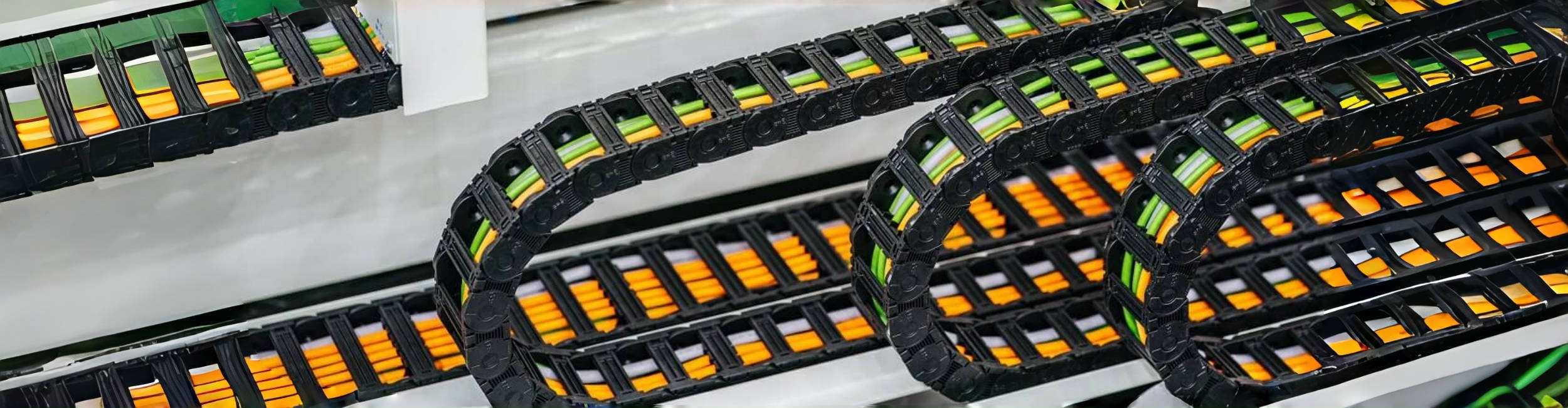
Cable drag chains, also known as energy chains, play a critical role in the manufacturing and machining sectors, particularly in machine tool accessories. These innovative systems are designed to manage the routing of cables, hoses, and other flexible connections, ensuring they remain organized, protected, and free from wear and tear during operation. In a manufacturing environment, machinery oft
2026-08-11
In a manufacturing environment, machinery often experiences continuous motion, which can cause cables and hoses to become tangled or damaged. This is where cable drag chains come into play. They provide a structured pathway that allows cables to move smoothly along with the moving parts of the machinery, minimizing the risk of abrasion and entanglement. This results in increased operational efficiency and reduced downtime due to cable damage or replacement.
One of the primary benefits of using cable drag chains is their ability to extend the lifespan of cables and hoses. By protecting these components from mechanical shock and excessive bending, manufacturers can significantly lower maintenance costs. Additionally, cable drag chains can be customized in terms of size, shape, and material to suit specific applications, making them versatile for various machinery, from CNC machines to robotic systems.
The installation of cable drag chains can also enhance the overall safety of the work environment. By organizing and securing cables, they help prevent tripping hazards and improve accessibility for maintenance tasks. Furthermore, their design often incorporates features that allow for easy access to the cables and hoses, making it a straightforward process for technicians to perform repairs or replacements as needed.
When selecting cable drag chains, several factors should be considered, including the weight and type of the cables being used, the range of motion required, and the operating environment. Understanding these parameters will help ensure the appropriate cable drag chain is chosen, optimizing both performance and safety.
In summary, cable drag chains are vital components for any manufacturing or machining setup. They not only protect critical cables and hoses but also enhance operational efficiency and safety. By investing in appropriate cable drag chains, businesses can ensure the longevity of their machinery and ultimately drive productivity in their operations. As technology advances, the design and functionality of cable drag chains continue to evolve, providing even greater solutions for modern manufacturing challenges.
Related News

Maximizing Efficiency with Cable Drag Chains in Manufacturing
In the realm of manufacturing and machining, the need for organized, efficient, and safe cable management is paramount. This is where cable drag chains come into play. A cable drag chain is designed to house and protect cables, hoses, and other components, allowing for smooth, unhindered movement in machinery. With a variety of designs and configurations available, they cater to specific requireme
How to Troubleshoot Issues with Your Plastic Drag Chain Table of Contents Understanding Plastic Drag Chains Common Issues with Plastic Drag Chains Identifying the Symptoms of Drag Chain Failure Step-by-Step Troubleshooting Guide Preventative Maintenance Tips for Plastic Drag Chains When to Replace Your Drag Chain Best Practices for Installing Drag Chains Conclusion
Subscribe to
Get the latest information on company products


Contact
Add: 14-2,Liandong U Valley,Manufacturing Industrial Park,Tangxia Town,Pengjiang District,Jiangmen City Guangdong Province, China