Krius Intelligent Manufacturing (Jiangmen) Co., Ltd.

The Evolution of Plastic Cable Drag Chains in Modern Manufacturing
The Evolution of Plastic Cable Drag Chains in Modern Manufacturing Table of Contents What Are Plastic Cable Drag Chains? Historical Background of Cable Drag Chains The Importance of Plastic in Modern Manufacturing Design Features of Plastic Drag Chains Key Advantages of Plastic Drag Chains Applications in Various Industries Future Trends in Plastic Drag Chain Technology Freque
2026-07-15
The Evolution of Plastic Cable Drag Chains in Modern Manufacturing
Table of Contents
- What Are Plastic Cable Drag Chains?
- Historical Background of Cable Drag Chains
- The Importance of Plastic in Modern Manufacturing
- Design Features of Plastic Drag Chains
- Key Advantages of Plastic Drag Chains
- Applications in Various Industries
- Future Trends in Plastic Drag Chain Technology
- Frequently Asked Questions
- Conclusion
What Are Plastic Cable Drag Chains?
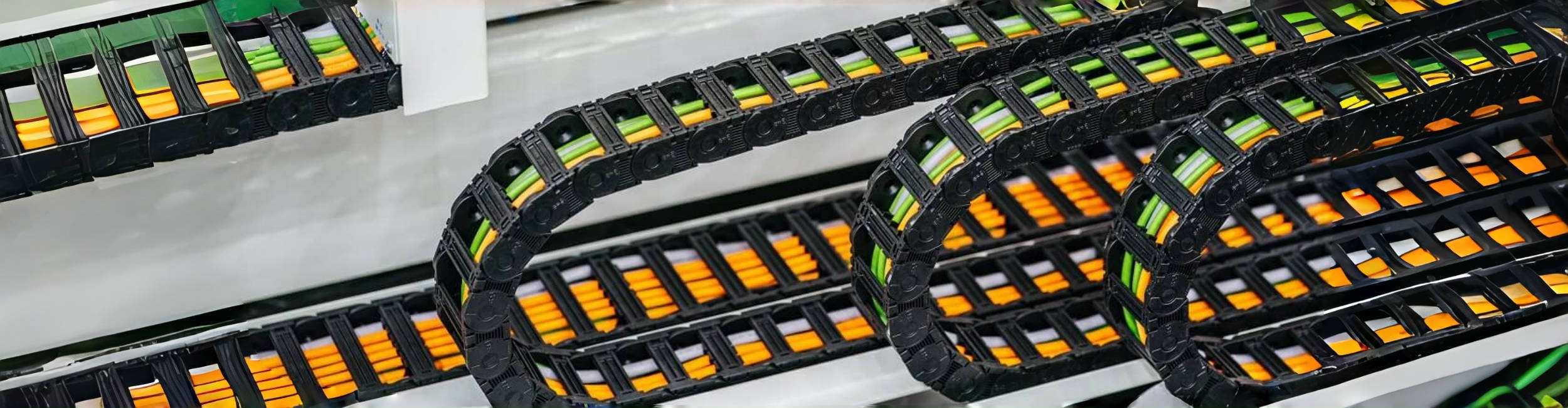
Plastic cable drag chains, also known as energy chains, are essential components in modern manufacturing machinery. They are designed to protect and guide cables, hoses, and other flexible elements in automated systems, ensuring smooth movement and preventing wear and tear. Incorporating lightweight, durable plastic materials, these drag chains facilitate the movement of energy and data transmission across various machine applications.
Historical Background of Cable Drag Chains
The concept of cable drag chains dates back to the early days of industrial automation when manufacturers sought ways to keep cables organized while minimizing damage from constant movement. Originally constructed from metal, these chains provided a robust solution but were often heavy and prone to rust and corrosion. As manufacturing technology evolved, the shift towards lightweight, corrosion-resistant materials led to the introduction of plastic drag chains in the late 20th century.
Over the years, advancements in polymer technology allowed for the development of high-performance plastics that could withstand extreme conditions, offering manufacturers a reliable alternative to traditional metal drag chains. This evolution has significantly improved efficiency, reduced maintenance costs, and extended the lifespan of machinery.
The Importance of Plastic in Modern Manufacturing
Plastic has become a cornerstone of modern manufacturing due to its versatility, lightweight nature, and resistance to environmental factors. In the context of drag chains, the integration of plastic materials offers numerous advantages:
- Weight Reduction: Plastic drag chains are significantly lighter than their metal counterparts, resulting in less strain on machinery and improved efficiency.
- Corrosion Resistance: Unlike metal chains, plastic does not corrode, ensuring a longer lifespan and lower maintenance requirements.
- Customizability: Plastic can be molded into various shapes and sizes, allowing for specialized designs tailored to specific applications.
Design Features of Plastic Drag Chains
The design of plastic cable drag chains incorporates several innovative features that enhance their functionality:
- Modular Design: Many plastic drag chains are built with a modular system, allowing for easy assembly and disassembly, which simplifies maintenance and repair.
- Flexible Linkage: The flexibility of the links in plastic chains allows for smooth bending and movement, accommodating a wide range of applications.
- Integrated Cable Management: Many designs feature built-in cable management systems to keep cables organized and free from tangling.
- Noise Reduction: Plastic drag chains often operate more quietly than metal chains, contributing to a more pleasant working environment.
Key Advantages of Plastic Drag Chains
The transition to plastic cable drag chains has ushered in numerous benefits for modern manufacturing processes:
- Increased Durability: High-quality plastics are engineered to withstand heavy loads and harsh environments, ensuring long-lasting performance.
- Cost Efficiency: With lower material costs and reduced maintenance needs, plastic drag chains contribute to significant savings over time.
- Enhanced Safety: The lightweight nature and smooth operation of plastic chains reduce the risk of accidents, protecting workers and equipment alike.
- Environmental Resistance: Plastic drag chains are less susceptible to environmental factors such as moisture, chemicals, and temperature fluctuations.
Applications in Various Industries
Plastic cable drag chains find applications in a wide range of industries, showcasing their versatility and adaptability:
- Automotive Industry: Used in robotic welding, material handling, and assembly lines.
- Packaging Industry: Essential for automated packaging machines to ensure smooth operation.
- Aerospace Industry: Employed in precision machinery that requires high reliability and safety.
- Electronics Manufacturing: Protects sensitive cables in production lines for electronic devices.
- Mining and Construction: Utilized in heavy machinery where durability and resistance to harsh conditions are paramount.
Future Trends in Plastic Drag Chain Technology
As technology continues to advance, several trends are emerging in the design and application of plastic drag chains:
- Smart Drag Chains: The integration of IoT technology allows for real-time monitoring of drag chain conditions, enhancing predictive maintenance.
- Recyclable Materials: Manufacturers are exploring bio-based and recyclable plastics to promote sustainability within the industry.
- Advanced Customization: Future designs may offer even more customization options, enabling companies to tailor drag chains to their specific needs.
- Enhanced Performance Materials: Research into new polymers may lead to even more robust drag chains capable of withstanding extreme conditions.
Frequently Asked Questions
1. What materials are used in plastic cable drag chains?
Plastic cable drag chains are typically made from high-performance polymers such as nylon, polypropylene, and other engineering plastics that offer durability and resistance to wear.
2. How do plastic drag chains compare to metal chains?
Plastic drag chains are lighter, corrosion-resistant, and often quieter than metal chains. They also provide improved flexibility and customization options.
3. What industries benefit most from using plastic drag chains?
Various industries, including automotive, packaging, aerospace, electronics, and construction, significantly benefit from the use of plastic drag chains due to their adaptability and reliability.
4. Can plastic drag chains be used in outdoor applications?
Yes, many plastic drag chains are designed to withstand environmental factors such as moisture and temperature changes, making them suitable for outdoor applications.
5. How do I choose the right plastic drag chain for my application?
Consider factors such as the type of cables being used, the environment in which the drag chain will operate, and the specific movement requirements of your machinery.
Conclusion
The evolution of plastic cable drag chains has marked a significant advancement in modern manufacturing. Their lightweight, durable, and customizable design offers unparalleled benefits, elevating operational efficiency across various industries. As technology continues to advance, we can expect even more innovations in drag chain design that will further enhance their performance and sustainability. By understanding the critical role of plastic cable drag chains in manufacturing, businesses can make informed decisions that contribute to a safer, more efficient, and eco-friendly production environment.
Related News

Maximizing Efficiency with Cable Drag Chains in Manufacturing
In the realm of manufacturing and machining, the need for organized, efficient, and safe cable management is paramount. This is where cable drag chains come into play. A cable drag chain is designed to house and protect cables, hoses, and other components, allowing for smooth, unhindered movement in machinery. With a variety of designs and configurations available, they cater to specific requireme
How to Troubleshoot Issues with Your Plastic Drag Chain Table of Contents Understanding Plastic Drag Chains Common Issues with Plastic Drag Chains Identifying the Symptoms of Drag Chain Failure Step-by-Step Troubleshooting Guide Preventative Maintenance Tips for Plastic Drag Chains When to Replace Your Drag Chain Best Practices for Installing Drag Chains Conclusion
Subscribe to
Get the latest information on company products


Contact
Add: 14-2,Liandong U Valley,Manufacturing Industrial Park,Tangxia Town,Pengjiang District,Jiangmen City Guangdong Province, China