Krius Intelligent Manufacturing (Jiangmen) Co., Ltd.

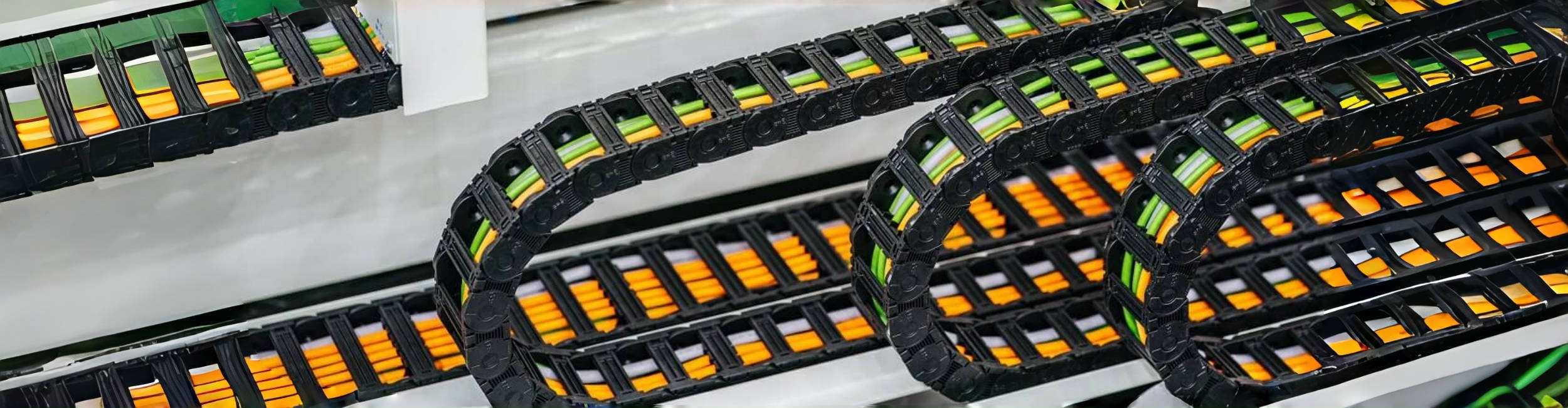
How Plastic Cable Drag Chains Revolutionize Efficient Cable Management
How Plastic Cable Drag Chains Revolutionize Efficient Cable Management Table of Contents 1. Introduction to Cable Management 2. What Are Plastic Cable Drag Chains? 3. Benefits of Using Plastic Cable Drag Chains 4. Applications of Cable Drag Chains in Manufacturing 5. How to Properly Install Plastic Cable Drag Chains 6. Maintenance Tips for Longevity 7. Plastic vs. Metal Cable Drag C
2026-06-27
How Plastic Cable Drag Chains Revolutionize Efficient Cable Management
Table of Contents
- 1. Introduction to Cable Management
- 2. What Are Plastic Cable Drag Chains?
- 3. Benefits of Using Plastic Cable Drag Chains
- 4. Applications of Cable Drag Chains in Manufacturing
- 5. How to Properly Install Plastic Cable Drag Chains
- 6. Maintenance Tips for Longevity
- 7. Plastic vs. Metal Cable Drag Chains
- 8. The Future of Cable Management Solutions
- 9. Frequently Asked Questions
- 10. Conclusion
1. Introduction to Cable Management
In today's fast-paced manufacturing environments, cable management has become a crucial aspect of operational efficiency. With the increasing complexity of machinery and automation systems, the need for organized and reliable cable routing is paramount. **Plastic cable drag chains** have emerged as a versatile solution to address these challenges, providing significant advantages in terms of **protection, organization, and efficiency**.
2. What Are Plastic Cable Drag Chains?
Plastic cable drag chains, often referred to as cable carriers or energy chains, are flexible conduits designed to house and protect cables and hoses in various industrial applications. They facilitate the smooth movement of cables while preventing tangling and wear. Constructed from durable plastic materials, these chains offer a lightweight yet robust option for managing cables in dynamic environments.
2.1 Key Features of Plastic Cable Drag Chains
- **Flexibility**: Adaptable to various applications with curves and bends.
- **Lightweight Design**: Easier to handle and install compared to metal counterparts.
- **Durability**: Resistant to abrasion, chemicals, and environmental factors.
- **Customization**: Available in various sizes and configurations to suit specific needs.
3. Benefits of Using Plastic Cable Drag Chains
Implementing plastic cable drag chains in manufacturing processes brings several notable advantages.
3.1 Enhanced Protection
One of the primary benefits of using plastic drag chains is the **protection they offer**. They shield cables and hoses from physical damage caused by abrasion, bending, and environmental conditions. This protection extends the lifespan of the cables, reducing the need for frequent replacements.
3.2 Improved Organization
Plastic cable drag chains facilitate better organization of cables, which is essential for maintaining optimal workflow. By neatly routing cables, they prevent tangling and confusion, making it easier for operators to identify and access specific cables when needed.
3.3 Increased Efficiency
Efficient cable management enhances overall operational productivity. With well-organized cables, machinery can operate without interruptions caused by cable tangles or damage. This efficiency translates into reduced downtime and improved output.
3.4 Cost-Effectiveness
Investing in plastic cable drag chains can lead to significant cost savings in the long run. By minimizing cable damage and reducing maintenance and replacement costs, businesses can allocate resources more effectively.
4. Applications of Cable Drag Chains in Manufacturing
Plastic cable drag chains have a wide range of applications across various manufacturing sectors.
4.1 CNC Machines
In CNC machining applications, cable drag chains help manage the extensive wiring required for precise operations. They ensure that cables remain organized and protected from potential damage during machine movement.
4.2 Robotics
Robotic systems rely on effective cable management to maintain efficiency and accuracy. Plastic drag chains provide the flexibility needed to accommodate the movements of robotic arms, ensuring that cables do not interfere with operation.
4.3 Conveyor Systems
In conveyor systems, cable drag chains facilitate the smooth operation of electrical and pneumatic systems. By keeping cables organized, they help prevent disruptions in the conveyor's functionality.
5. How to Properly Install Plastic Cable Drag Chains
Proper installation is critical to maximizing the benefits of plastic cable drag chains. Follow these steps for an effective installation process.
5.1 Planning the Layout
Before installation, assess the layout of your machinery and determine the optimal path for the cable drag chains. Consider factors such as the range of motion and potential obstructions.
5.2 Choosing the Right Size
Select a drag chain size that can accommodate the number and thickness of the cables you intend to manage. The inner width and height of the chain should allow for easy placement and removal of cables.
5.3 Securing the Chains
Attach the drag chains securely to the machinery using appropriate mounting brackets. Ensure that they are positioned correctly to allow for free movement without excessive strain on the cables.
5.4 Loading the Cables
Load the cables into the drag chains carefully, ensuring that they are not twisted or kinked. Leave some slack to allow for movement and avoid excessive tension during operation.
6. Maintenance Tips for Longevity
To ensure the long-term effectiveness of plastic cable drag chains, regular maintenance is essential.
6.1 Regular Inspections
Conduct routine inspections to check for signs of wear or damage. Early detection can prevent further issues and extend the lifespan of the chains.
6.2 Cleaning
Keep the drag chains clean by removing any debris or contaminants that may accumulate over time. This practice enhances the performance and longevity of the chains.
6.3 Lubrication
Depending on the application, periodic lubrication of moving parts may be necessary to reduce friction and wear.
7. Plastic vs. Metal Cable Drag Chains
When considering cable drag chains, manufacturers often debate between plastic and metal options. Each type has its advantages and drawbacks.
7.1 Weight and Flexibility
Plastic cable drag chains are typically lighter and more flexible than metal ones, making them easier to handle and install. Their flexibility allows for more complex routing paths.
7.2 Corrosion Resistance
Plastic chains are inherently resistant to corrosion, which is a significant advantage in environments exposed to moisture and chemicals. Metal chains may require additional coatings to prevent rust.
7.3 Cost Considerations
While plastic drag chains may have a higher initial cost than basic metal options, their long-term benefits in terms of durability and reduced maintenance can make them a more cost-effective solution over time.
8. The Future of Cable Management Solutions
As technology continues to evolve, so do cable management solutions. The future will likely see advancements in materials and designs that further enhance the efficiency of plastic cable drag chains. Innovations such as integrated sensors for monitoring cable health and automated cable management systems may become standard in modern manufacturing settings.
9. Frequently Asked Questions
9.1 What materials are plastic cable drag chains made from?
Plastic cable drag chains are typically made from durable polymers such as nylon, polypropylene, or polyethylene, which provide strength and flexibility.
9.2 Can plastic cable drag chains be used outdoors?
Yes, many plastic drag chains are designed to withstand outdoor conditions, but it's essential to choose chains specifically rated for outdoor use.
9.3 How do I know which size drag chain to choose?
The size of the drag chain depends on the number and gauge of the cables you need to manage, as well as the range of motion required for your application.
9.4 Are plastic cable drag chains easy to install?
Yes, with proper planning and the right tools, plastic cable drag chains are relatively easy to install, especially compared to more complex cable management systems.
9.5 What are the typical costs associated with plastic cable drag chains?
Costs can vary widely based on size, material, and customization options. However, the investment is often justified by the long-term savings in cable longevity and reduced downtime.
10. Conclusion
Plastic cable drag chains represent a significant advancement in efficient cable management for manufacturing and industrial applications. Their numerous benefits—ranging from enhanced protection and improved organization to increased efficiency—make them an indispensable tool in modern production settings. By understanding their features, applications, and maintenance needs, manufacturers can optimize their operations and ensure smoother workflows. Embracing plastic cable drag chains not only addresses current challenges but also prepares companies for a more efficient and advanced future in cable management.
Related News

Maximizing Efficiency with Cable Drag Chains in Manufacturing
In the realm of manufacturing and machining, the need for organized, efficient, and safe cable management is paramount. This is where cable drag chains come into play. A cable drag chain is designed to house and protect cables, hoses, and other components, allowing for smooth, unhindered movement in machinery. With a variety of designs and configurations available, they cater to specific requireme
How to Troubleshoot Issues with Your Plastic Drag Chain Table of Contents Understanding Plastic Drag Chains Common Issues with Plastic Drag Chains Identifying the Symptoms of Drag Chain Failure Step-by-Step Troubleshooting Guide Preventative Maintenance Tips for Plastic Drag Chains When to Replace Your Drag Chain Best Practices for Installing Drag Chains Conclusion
Subscribe to
Get the latest information on company products


Contact
Add: 14-2,Liandong U Valley,Manufacturing Industrial Park,Tangxia Town,Pengjiang District,Jiangmen City Guangdong Province, China