Krius Intelligent Manufacturing (Jiangmen) Co., Ltd.

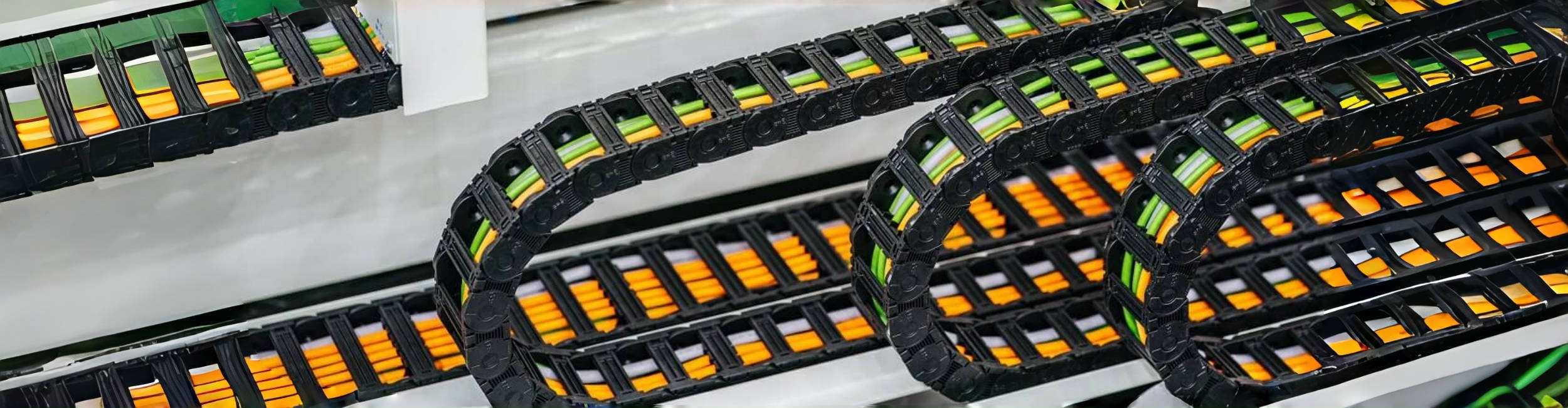
Understanding Nylon Drag Chains: Essential Insights for Manufacturing and Machinery
Nylon drag chains, often referred to as energy chains or cable carriers, play a crucial role in the management of cables and hoses in various industrial applications. They are designed to guide and protect flexible cables and hoses from wear and tear during movement, which is particularly important in dynamic environments where machinery operates continuously. The primary function of a nylon drag
2026-05-19
One of the standout features of nylon drag chains is their lightweight yet robust construction. The use of nylon as a material allows these drag chains to withstand significant tensile strength while also being resistant to chemicals and environmental factors. This makes them particularly suitable for use in harsh industrial settings where exposure to oils, solvents, and varying temperatures can occur.
In addition to their durability, nylon drag chains are characterized by their flexibility. This adaptability enables them to accommodate various bending radii, making them ideal for applications where space is limited, or where machinery requires extensive movement. From CNC machines to automated manufacturing lines, the versatility of nylon drag chains ensures that they can be tailored to fit specific operational needs.
The installation of nylon drag chains is relatively straightforward, which can lead to reduced downtime during setup and maintenance. Many manufacturers offer a range of pre-assembled drag chain kits that come with the necessary accessories, streamlining the installation process. Furthermore, the modularity of these chains allows for easy expansion or modification as machinery needs evolve.
When considering the use of nylon drag chains in your manufacturing processes, it is essential to assess the weight, size, and movement patterns of the cables and hoses being managed. Proper sizing and selection will ensure optimal performance and longevity of the drag chain, ultimately enhancing the efficiency of your operations.
In summary, nylon drag chains are an indispensable component in the manufacturing and machinery sectors, providing practical solutions for cable and hose management. Their lightweight construction, flexibility, and ease of installation make them a preferred choice for many applications. By incorporating nylon drag chains into your manufacturing processes, you can significantly reduce the risk of cable damage, streamline operations, and foster a safer working environment. Understanding the benefits and applications of nylon drag chains will empower professionals to make informed decisions that enhance productivity and operational efficiency.
PREVIOUS:
Related News

Maximizing Efficiency with Cable Drag Chains in Manufacturing
In the realm of manufacturing and machining, the need for organized, efficient, and safe cable management is paramount. This is where cable drag chains come into play. A cable drag chain is designed to house and protect cables, hoses, and other components, allowing for smooth, unhindered movement in machinery. With a variety of designs and configurations available, they cater to specific requireme
How to Troubleshoot Issues with Your Plastic Drag Chain Table of Contents Understanding Plastic Drag Chains Common Issues with Plastic Drag Chains Identifying the Symptoms of Drag Chain Failure Step-by-Step Troubleshooting Guide Preventative Maintenance Tips for Plastic Drag Chains When to Replace Your Drag Chain Best Practices for Installing Drag Chains Conclusion
Subscribe to
Get the latest information on company products


Contact
Add: 14-2,Liandong U Valley,Manufacturing Industrial Park,Tangxia Town,Pengjiang District,Jiangmen City Guangdong Province, China