Krius Intelligent Manufacturing (Jiangmen) Co., Ltd.

How to Optimize Your Machinery with the Right Nylon Drag Chains for Maximum Efficiency
How to Optimize Your Machinery with the Right Nylon Drag Chains for Maximum Efficiency Table of Contents Understanding Drag Chains: An Overview Benefits of Nylon Drag Chains in Machinery Types of Nylon Drag Chains: Which One Is Right for You? Factors to Consider When Selecting Nylon Drag Chains Installation Guide for Nylon Drag Chains Maintenance Tips for Longevity Com
2026-04-20
How to Optimize Your Machinery with the Right Nylon Drag Chains for Maximum Efficiency
Table of Contents
- Understanding Drag Chains: An Overview
- Benefits of Nylon Drag Chains in Machinery
- Types of Nylon Drag Chains: Which One Is Right for You?
- Factors to Consider When Selecting Nylon Drag Chains
- Installation Guide for Nylon Drag Chains
- Maintenance Tips for Longevity
- Common Issues with Nylon Drag Chains and How to Troubleshoot
- Conclusion
- Frequently Asked Questions
Understanding Drag Chains: An Overview
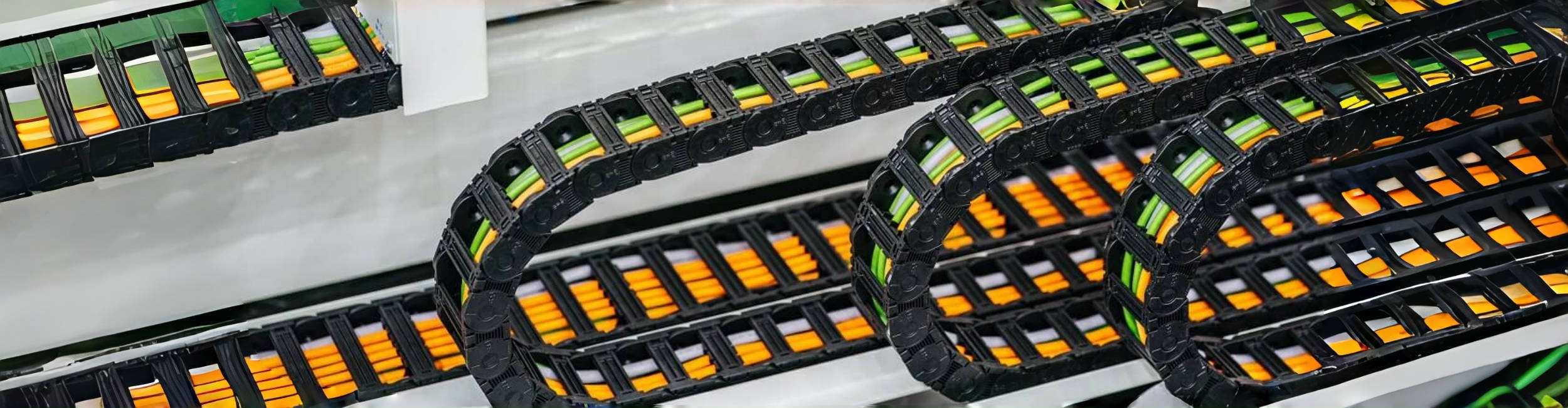
Nylon drag chains are essential components in various machinery applications, primarily used to manage and protect cables and hoses in motion. These chains minimize wear and tear on cables while providing an organized pathway for movement, essential for high-performance machinery. The design of nylon drag chains allows for flexibility, durability, and resistance to environmental factors, making them a preferred choice in manufacturing and processing industries.
Benefits of Nylon Drag Chains in Machinery
Investing in the right nylon drag chains can yield several significant benefits:
- Durability: Nylon drag chains are designed to withstand harsh environments, high temperatures, and abrasive materials.
- Flexibility: Their flexible nature allows for smooth movement and easy installation in various machinery setups.
- Reduced Maintenance Costs: By protecting cables and hoses, drag chains minimize the need for frequent repairs and replacements.
- Increased Efficiency: A well-organized cable management system ensures minimal downtime and enhanced productivity in operations.
Types of Nylon Drag Chains: Which One Is Right for You?
When choosing nylon drag chains, it is crucial to understand the various types available:
Standard Nylon Drag Chains
These are the most common type, suitable for a wide range of applications. They provide basic functionality and are ideal for general-purpose use.
Heavy-Duty Nylon Drag Chains
Designed for more demanding environments, heavy-duty chains can handle greater loads and are resistant to more severe wear and tear.
Low-Noise Nylon Drag Chains
These chains are engineered to minimize operational noise, making them ideal for environments where noise reduction is a priority.
Custom Nylon Drag Chains
For specialized applications, custom designs can be created to meet specific requirements, including size, shape, and functionality.
Factors to Consider When Selecting Nylon Drag Chains
Selecting the right nylon drag chains involves careful consideration of several factors:
Load Capacity
Evaluate the weight of the cables or hoses that the drag chain will carry. Ensure the selected chain can safely manage the expected load.
Operating Environment
Consider the conditions in which the machinery operates, including temperature, humidity, and exposure to chemicals or abrasives.
Flexibility and Bend Radius
The chain’s flexibility and minimum bend radius are critical for applications requiring tight turns or intricate movement paths.
Length and Width
Measure the necessary dimensions of the chain to ensure proper fit and functionality within the machinery.
Installation Guide for Nylon Drag Chains
Proper installation is key to maximizing the benefits of nylon drag chains. Follow these steps for a successful setup:
Step 1: Prepare the Machinery
Ensure the machinery is powered off and disconnected to prevent accidents during installation.
Step 2: Measure and Cut the Chain
Using the appropriate measurements, cut the nylon drag chain to the desired length. Ensure that it fits within the designated area without excessive slack.
Step 3: Secure the Chain
Attach the drag chain to the machine using appropriate fasteners. Ensure it is securely fixed to prevent movement during operation.
Step 4: Feed Cables and Hoses
Insert the cables and hoses into the drag chain, ensuring they are organized and not pinched or kinked.
Step 5: Test the Setup
Before full operation, test the movement of the drag chain to ensure it operates smoothly without any obstructions.
Maintenance Tips for Longevity
Regular maintenance of nylon drag chains will extend their lifespan and maintain efficiency:
Routine Inspections
Perform regular inspections to check for signs of wear, damage, or misalignment that could affect operation.
Cleaning
Keep the drag chains clean and free from debris that could impede movement or cause damage to cables.
Lubrication
Apply appropriate lubricants to moving parts where necessary, following manufacturer guidelines to avoid attracting dirt.
Common Issues with Nylon Drag Chains and How to Troubleshoot
Being aware of potential issues can help avoid costly downtime:
Wear and Tear
Over time, drag chains may experience wear. Monitor for signs of thinning or cracking, and replace as necessary.
Misalignment
If the drag chain is misaligned, it can lead to operational issues. Regularly check alignment and adjust accordingly.
Jamming
If cables or hoses become jammed, inspect the chain for obstructions or damage that may require attention.
Conclusion
Optimizing your machinery with the right nylon drag chains can lead to significant improvements in performance and efficiency. By understanding the various types, benefits, and installation procedures, you can make informed decisions that enhance your operations. Regular maintenance and troubleshooting will ensure that your machinery continues to run smoothly, keeping your production levels high and operational costs low. Choosing the appropriate nylon drag chains tailored to your machinery's specific needs is crucial for achieving maximum efficiency and longevity.
Frequently Asked Questions
1. What are nylon drag chains used for?
Nylon drag chains are used to manage and protect cables and hoses in machinery, providing a structured pathway for movement to reduce wear and enhance efficiency.
2. How do I know which type of nylon drag chain to choose?
Consider factors such as load capacity, operating environment, flexibility, and required dimensions to choose the appropriate nylon drag chain for your application.
3. What maintenance is required for nylon drag chains?
Regular inspections, cleaning, and lubrication are essential to maintain nylon drag chains and ensure their longevity and performance.
4. Can I install nylon drag chains myself?
Yes, with proper measurements and following the installation guidelines, you can install nylon drag chains yourself. Ensure safety procedures are followed during installation.
5. How often should I replace nylon drag chains?
Replace nylon drag chains when you notice significant wear, damage, or decreased performance. Regular inspections can help identify when replacements are necessary.
Related News

Maximizing Efficiency with Cable Drag Chains in Manufacturing
In the realm of manufacturing and machining, the need for organized, efficient, and safe cable management is paramount. This is where cable drag chains come into play. A cable drag chain is designed to house and protect cables, hoses, and other components, allowing for smooth, unhindered movement in machinery. With a variety of designs and configurations available, they cater to specific requireme
How to Troubleshoot Issues with Your Plastic Drag Chain Table of Contents Understanding Plastic Drag Chains Common Issues with Plastic Drag Chains Identifying the Symptoms of Drag Chain Failure Step-by-Step Troubleshooting Guide Preventative Maintenance Tips for Plastic Drag Chains When to Replace Your Drag Chain Best Practices for Installing Drag Chains Conclusion
Subscribe to
Get the latest information on company products


Contact
Add: 14-2,Liandong U Valley,Manufacturing Industrial Park,Tangxia Town,Pengjiang District,Jiangmen City Guangdong Province, China