Krius Intelligent Manufacturing (Jiangmen) Co., Ltd.

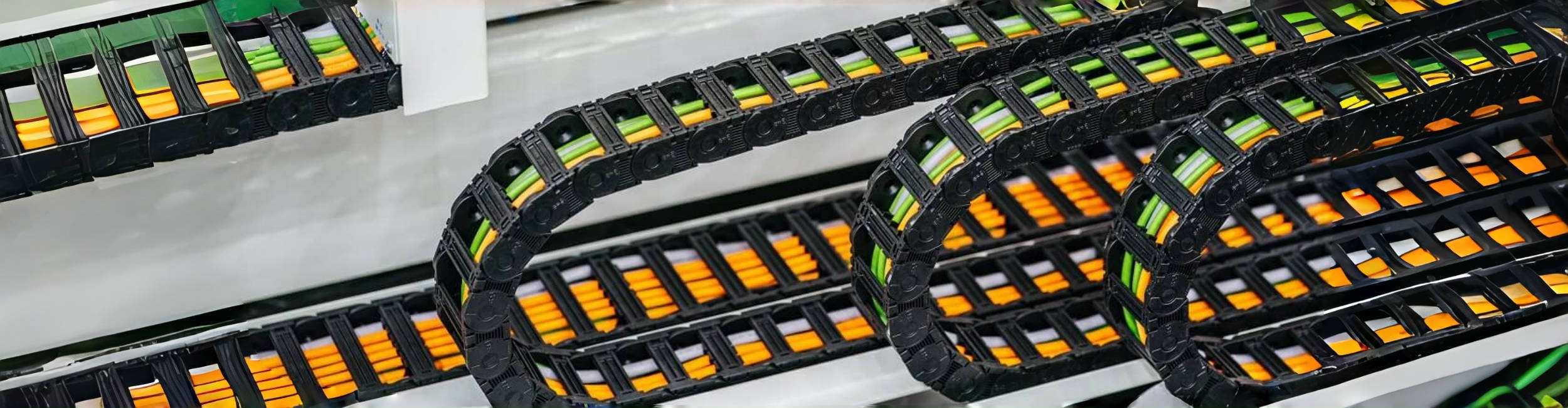
5 Key Factors to Consider When Selecting a Plastic Drag Chain for Optimal Performance
5 Key Factors to Consider When Selecting a Plastic Drag Chain Introduction to Plastic Drag Chains In industrial applications, plastic drag chains play a vital role in managing the movement of cables and hoses. Used in CNC machines, robotics, and automation systems, these components protect and organize essential lines while ensuring smooth operation. Understanding the intricacies of selecting
2026-04-12
5 Key Factors to Consider When Selecting a Plastic Drag Chain
Introduction to Plastic Drag Chains
In industrial applications, plastic drag chains play a vital role in managing the movement of cables and hoses. Used in CNC machines, robotics, and automation systems, these components protect and organize essential lines while ensuring smooth operation. Understanding the intricacies of selecting the right drag chain guarantees not only optimal performance but also longevity and safety in your operations.
1. Material Composition of Drag Chains
When selecting a plastic drag chain, the **material** is one of the most crucial factors to assess. Various types of plastics are utilized in drag chains, each offering distinct benefits.
1.1 Types of Plastics Commonly Used
- **Polyamide (Nylon):** Known for its impressive strength and flexibility, polyamide is ideal for environments with varying temperatures and stresses.
- **Polypropylene:** Offering excellent chemical resistance, this material is suitable for industries dealing with corrosive substances.
- **Polyethylene:** Lightweight and cost-effective, polyethylene is a common choice for applications where weight is a critical factor.
1.2 Impact on Performance
The choice of material affects not only the **durability** but also the **flexibility** and **weight** capacity of the drag chain. Assessing the specific requirements of your application will guide you toward the most suitable material.
2. Size and Dimensions of the Drag Chain
Selecting the correct size and dimensions is vital for ensuring the drag chain fits appropriately within your machinery.
2.1 Chain Width and Height
Understanding the width and height of the drag chain is essential in accommodating the cables or hoses it will carry. This involves measuring the dimensions of the components that will be housed within the chain.
2.2 Internal Space and Bending Radius
**Internal space** is critical for ensuring that cables or hoses do not become pinched or damaged. Additionally, consider the **bending radius**; a smaller radius may impede the smooth movement of the chain and cause wear over time.
3. Load-Bearing Capacity
The load capacity of a drag chain determines how much weight it can carry without failure.
3.1 Assessing Load Requirements
It is essential to calculate the total weight of the cables or hoses that the drag chain will support. Ensure that the chosen drag chain exceeds this weight to prevent strain and potential breakage.
3.2 Dynamic vs. Static Loads
Different applications may involve **dynamic loads** (movement) versus **static loads** (stationary). Understanding these distinctions allows for better selection tailored to your operation's needs.
4. Environment and Operating Conditions
The operating environment is a crucial consideration when selecting plastic drag chains.
4.1 Temperature Extremes
Drag chains must withstand the temperature variations of their operating environments. High temperatures can lead to **deformation**, while extreme cold can make materials brittle.
4.2 Exposure to Chemicals and Abrasives
If your application involves exposure to chemicals, selecting a drag chain made of resistant materials is essential. Similarly, environments with dust or abrasive particles require additional protection to prolong the life of the drag chain.
5. Flexibility and Motion Range
The flexibility of the drag chain affects its ability to navigate through various paths and angles.
5.1 Degree of Flexibility
Evaluate how much flexibility you need for your specific application. Keep in mind that a highly flexible drag chain can adjust to various motion paths without compromising performance.
5.2 Motion Range Considerations
Consider the **motion range** of the drag chain. Will it move only in one plane, or does it require multi-dimensional movement? Selecting a drag chain capable of accommodating these needs will enhance operational efficiency.
FAQs - Addressing Common Concerns
1. How do I know which size drag chain to choose?
Assess the dimensions of your cables or hoses, and ensure the drag chain's internal dimensions exceed these measurements while allowing for movement.
2. What materials are best for high-temperature applications?
Polyamide or specialized high-temperature plastics are generally recommended for environments with elevated temperatures.
3. Can drag chains be customized?
Yes, many manufacturers offer customization options to fit specific needs, including size, color, and material composition.
4. How often should drag chains be replaced?
It varies by application, but regular inspections and replacements should be scheduled based on wear and performance metrics.
5. Are there drag chains designed for outdoor use?
Yes, certain drag chains are designed with UV resistance and weatherproofing for outdoor use. Be sure to consult manufacturers for suitable options.
Conclusion
In conclusion, selecting the right plastic drag chain is a vital step in ensuring the efficiency and longevity of your machinery. By considering the **material composition**, **size and dimensions**, **load-bearing capacity**, **operating environment**, and **flexibility**, you can make an informed decision that enhances the performance of your applications. Careful evaluation of these factors will lead to a successful selection process, reducing downtime and optimizing productivity in your operations.
Related News

Maximizing Efficiency with Cable Drag Chains in Manufacturing
In the realm of manufacturing and machining, the need for organized, efficient, and safe cable management is paramount. This is where cable drag chains come into play. A cable drag chain is designed to house and protect cables, hoses, and other components, allowing for smooth, unhindered movement in machinery. With a variety of designs and configurations available, they cater to specific requireme
How to Troubleshoot Issues with Your Plastic Drag Chain Table of Contents Understanding Plastic Drag Chains Common Issues with Plastic Drag Chains Identifying the Symptoms of Drag Chain Failure Step-by-Step Troubleshooting Guide Preventative Maintenance Tips for Plastic Drag Chains When to Replace Your Drag Chain Best Practices for Installing Drag Chains Conclusion
Subscribe to
Get the latest information on company products


Contact
Add: 14-2,Liandong U Valley,Manufacturing Industrial Park,Tangxia Town,Pengjiang District,Jiangmen City Guangdong Province, China