Krius Intelligent Manufacturing (Jiangmen) Co., Ltd.

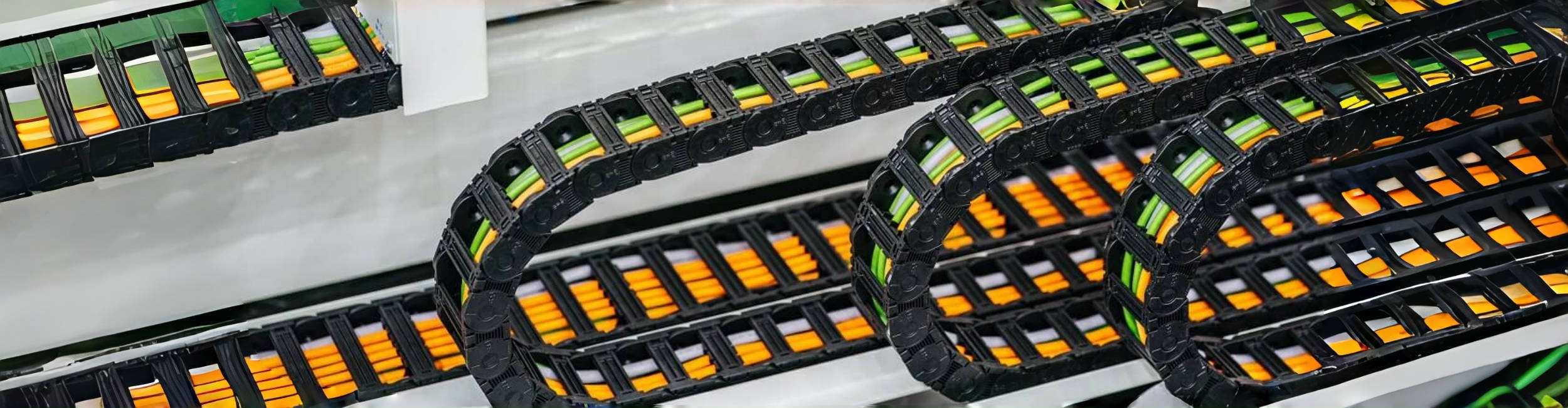
The Future of Drag Chains: Why Plastic is the Preferred Material
The Future of Drag Chains: Why Plastic is the Preferred Material Table of Contents Introduction to Drag Chains What Are Drag Chains? Historical Materials Used in Drag Chains The Shift to Plastic: An Overview Advantages of Plastic Drag Chains Durability and Longevity Weight Efficiency and Flexibility Cost-Effectiveness Design Innovatio
2026-04-04
The Future of Drag Chains: Why Plastic is the Preferred Material
Table of Contents
- Introduction to Drag Chains
- What Are Drag Chains?
- Historical Materials Used in Drag Chains
- The Shift to Plastic: An Overview
- Advantages of Plastic Drag Chains
- Durability and Longevity
- Weight Efficiency and Flexibility
- Cost-Effectiveness
- Design Innovation and Customization
- Applications of Plastic Drag Chains
- Future Trends in Drag Chain Technology
- Frequently Asked Questions
- Conclusion
Introduction to Drag Chains
In the fast-paced world of modern manufacturing, **drag chains** play a crucial role in ensuring the smooth operation of machinery. They provide a protective and organized conduit for cables, hoses, and other vital components, allowing for unrestricted movement within automated systems. As industries evolve, so does the technology behind drag chains, with **plastic** emerging as the preferred material due to its remarkable benefits.
What Are Drag Chains?
Drag chains, also known as energy chains or cable carriers, are mechanical components designed to guide and protect moving cables and hoses in machinery. They function by allowing the cables to move in a controlled manner, preventing tangling or damage. The design of drag chains can vary widely, with options tailored to specific applications, from simple configurations for light-duty tasks to robust constructions for heavy-duty usage.
Historical Materials Used in Drag Chains
Historically, drag chains were made from metal materials such as steel and aluminum. These metals offered strength and durability but also came with significant drawbacks. They were often heavy, prone to corrosion, and required regular maintenance. As industries sought to enhance efficiency and reduce costs, the limitations of metal drag chains became increasingly apparent, paving the way for alternative materials.
The Shift to Plastic: An Overview
The introduction of **plastic** drag chains revolutionized the industry. Initially met with skepticism, advancements in plastic manufacturing and material science have proven that plastics can meet, and often exceed, the performance parameters of traditional materials. This shift has not only optimized the functionality of drag chains but has also led to a broader adoption across various sectors, from automotive to robotics.
Advantages of Plastic Drag Chains
As industries transition to plastic drag chains, several key advantages become increasingly evident.
Durability and Longevity
Plastic drag chains are engineered to withstand various environmental conditions. They are resistant to chemicals, UV rays, and extreme temperatures, making them suitable for both indoor and outdoor applications. Their durability reduces the frequency of replacements, ultimately leading to lower long-term costs.
Weight Efficiency and Flexibility
The lightweight nature of plastic drag chains allows for greater flexibility in design and installation. They can be easily integrated into existing systems without adding significant weight, which can strain machinery or alter operational efficiency. This flexibility is particularly beneficial in dynamic environments where movement and space optimization are crucial.
Cost-Effectiveness
While the initial expenditure for plastic drag chains may be comparable to metal options, the overall cost-effectiveness becomes apparent when considering maintenance, durability, and replacement rates. The reduced need for upkeep and the longevity of plastic chains translate to significant savings over time.
Design Innovation and Customization
Plastic drag chains can be manufactured in a variety of shapes, sizes, and colors, allowing for a high degree of customization. This versatility enables manufacturers to design drag chains that meet the unique requirements of their machinery, optimizing performance and aesthetics simultaneously.
Applications of Plastic Drag Chains
Plastic drag chains find applications across a multitude of industries, showcasing their versatility and functionality.
1. **Manufacturing**: In automated production lines, plastic drag chains facilitate the smooth operation of machinery by managing electrical and pneumatic systems.
2. **Robotics**: Drag chains are essential in robotic applications, allowing for the effortless movement of cables while maintaining precise control.
3. **Construction Equipment**: Heavy machinery benefits from plastic drag chains, which offer durability and protection against harsh environmental conditions.
4. **Automotive**: The automotive industry utilizes plastic drag chains in assembly lines, ensuring that electrical systems operate seamlessly.
5. **Food Processing**: Compliance with hygiene regulations makes plastic drag chains ideal for food processing applications, as they are easy to clean and resistant to contaminants.
Future Trends in Drag Chain Technology
The evolution of plastic drag chains is poised to continue, driven by advancements in technology and materials science. Some trends to watch include:
- **Smart Drag Chains**: Integration of sensors and IoT technology to monitor wear and tear, providing real-time feedback for maintenance and optimizing operational efficiency.
- **Biodegradable Plastics**: The development of environmentally friendly materials to create drag chains that minimize ecological impact.
- **Enhanced Design**: Ongoing research into new designs that improve flexibility, reduce noise, and further enhance load capacity.
- **Customization**: The trend toward bespoke drag chain solutions tailored to specific industry needs will continue to gain traction, fostering innovation across sectors.
Frequently Asked Questions
1. What are drag chains made of?
Drag chains are primarily made of plastic, though they can also be constructed from metal or a combination of both materials. Plastic is favored for its lightweight and durable properties.
2. Are plastic drag chains as strong as metal ones?
Yes, advancements in plastic technology have led to the creation of high-strength materials that can match or exceed the performance of traditional metal drag chains.
3. How long do plastic drag chains last?
The lifespan of plastic drag chains can vary based on application and usage, but they are generally designed for durability and can last several years with proper maintenance.
4. Can plastic drag chains be used outdoors?
Absolutely, many plastic drag chains are resistant to UV rays and other environmental factors, making them suitable for outdoor applications.
5. How do I choose the right drag chain for my application?
Consider factors such as load requirements, environmental conditions, flexibility, and the specific application needs when selecting a drag chain. Consulting with a supplier can also provide valuable insights.
Conclusion
The future of drag chains is undeniably intertwined with the adoption of plastic materials. As industries continue to seek efficiency, durability, and cost-effectiveness, plastic drag chains present a compelling solution that meets these criteria. Their versatility, coupled with ongoing innovations, positions them as a cornerstone in the evolution of machinery and automation. As we look ahead, it is clear that plastic will remain the preferred material for drag chains, shaping the landscape of manufacturing and beyond.
Related News

Maximizing Efficiency with Cable Drag Chains in Manufacturing
In the realm of manufacturing and machining, the need for organized, efficient, and safe cable management is paramount. This is where cable drag chains come into play. A cable drag chain is designed to house and protect cables, hoses, and other components, allowing for smooth, unhindered movement in machinery. With a variety of designs and configurations available, they cater to specific requireme
How to Troubleshoot Issues with Your Plastic Drag Chain Table of Contents Understanding Plastic Drag Chains Common Issues with Plastic Drag Chains Identifying the Symptoms of Drag Chain Failure Step-by-Step Troubleshooting Guide Preventative Maintenance Tips for Plastic Drag Chains When to Replace Your Drag Chain Best Practices for Installing Drag Chains Conclusion
Subscribe to
Get the latest information on company products


Contact
Add: 14-2,Liandong U Valley,Manufacturing Industrial Park,Tangxia Town,Pengjiang District,Jiangmen City Guangdong Province, China