Krius Intelligent Manufacturing (Jiangmen) Co., Ltd.

Understanding Plastic Drag Chains: Essential Components for Efficient Machinery
--- Plastic drag chains, often referred to as energy chains or cable carriers, are vital components in the manufacturing and machining sector, particularly for machine tools and equipment. These chains are designed to manage and protect cables, hoses, and wires, providing a streamlined solution for power and data transmission in moving machinery parts. One of the primary advantages of plastic dra
2026-03-18
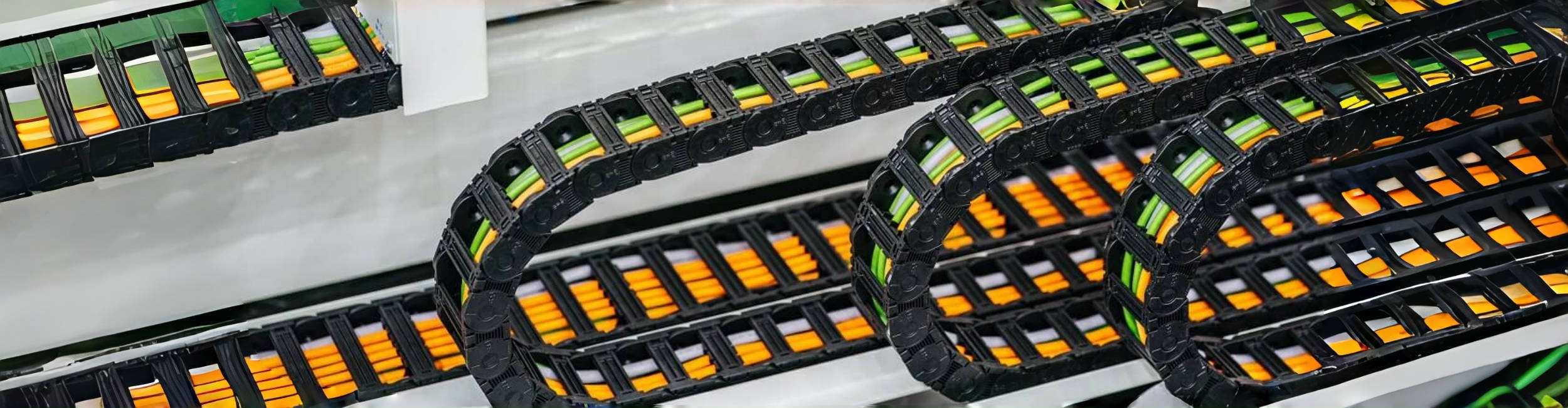
Plastic drag chains, often referred to as energy chains or cable carriers, are vital components in the manufacturing and machining sector, particularly for machine tools and equipment. These chains are designed to manage and protect cables, hoses, and wires, providing a streamlined solution for power and data transmission in moving machinery parts.
One of the primary advantages of plastic drag chains is their lightweight yet durable construction. Made from high-quality plastic materials, these chains offer excellent resistance to wear and tear, chemicals, and environmental factors. This durability translates into a longer lifespan compared to traditional metal drag chains, making them a cost-effective choice for manufacturers seeking reliable performance without frequent replacements.
The applications of plastic drag chains are diverse. They are commonly used in CNC machines, robotic systems, conveyor belts, and other automated machinery where movement and flexibility are essential. By organizing cables and hoses within a designated path, these chains prevent tangling and abrasion, thereby reducing the risk of damage to critical components. Furthermore, their modular design allows for easy customization and installation, catering to specific machine requirements without extensive modifications.
When selecting plastic drag chains, several factors should be considered to ensure optimal performance. First, assess the operational environment, including temperature fluctuations, exposure to chemicals, and the type of movement—whether it be linear, rotary, or multi-dimensional. Additionally, the dimensions of the chain must be compatible with the size and number of cables or hoses it will carry. Proper sizing not only guarantees effective protection but also minimizes the risk of strain on the cables, which can lead to premature failure.
Another important consideration is the chain's bend radius. Plastic drag chains are designed to accommodate specific bend radii based on the application. A smaller bend radius can save space but may impose more stress on the cables, while a larger bend radius allows for smoother movement but requires more installation space. Therefore, understanding the required bend radius is crucial for maintaining cable integrity and ensuring efficient operation.
In conclusion, plastic drag chains are indispensable in the realm of manufacturing and machining. Their ability to enhance organization, reduce wear, and support flexible movement makes them essential for maintaining high operational efficiency. By choosing the right plastic drag chain for your machinery, you can significantly improve both productivity and safety in various manufacturing processes. Adopting this technology not only streamlines cable management but also fosters a more reliable working environment for operators and equipment alike.
PREVIOUS:
Related News

Maximizing Efficiency with Cable Drag Chains in Manufacturing
In the realm of manufacturing and machining, the need for organized, efficient, and safe cable management is paramount. This is where cable drag chains come into play. A cable drag chain is designed to house and protect cables, hoses, and other components, allowing for smooth, unhindered movement in machinery. With a variety of designs and configurations available, they cater to specific requireme
How to Troubleshoot Issues with Your Plastic Drag Chain Table of Contents Understanding Plastic Drag Chains Common Issues with Plastic Drag Chains Identifying the Symptoms of Drag Chain Failure Step-by-Step Troubleshooting Guide Preventative Maintenance Tips for Plastic Drag Chains When to Replace Your Drag Chain Best Practices for Installing Drag Chains Conclusion
Subscribe to
Get the latest information on company products


Contact
Add: 14-2,Liandong U Valley,Manufacturing Industrial Park,Tangxia Town,Pengjiang District,Jiangmen City Guangdong Province, China