Krius Intelligent Manufacturing (Jiangmen) Co., Ltd.

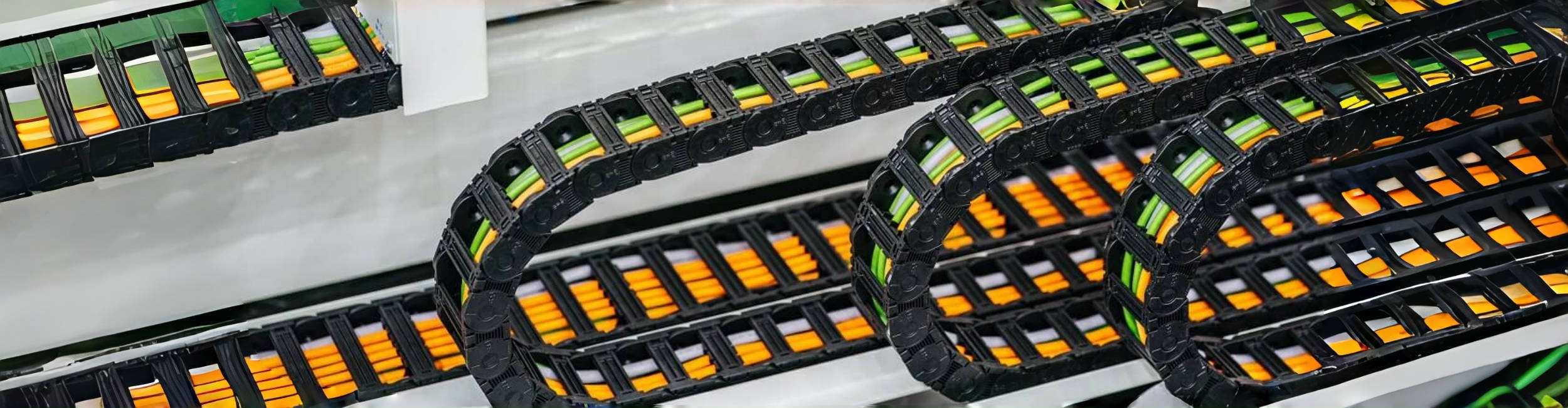
Plastic Cable Drag Chains: Enhancing Workflow in Production Facilities
Plastic Cable Drag Chains: Enhancing Workflow in Production Facilities Table of Contents 1. Introduction to Plastic Cable Drag Chains 2. What Are Plastic Cable Drag Chains? 3. Benefits of Using Plastic Cable Drag Chains in Production 3.1 Safety Improvements 3.2 Efficiency Boosts 3.3 Protection of Cables and Hoses
2026-03-15
Plastic Cable Drag Chains: Enhancing Workflow in Production Facilities
Table of Contents
- 1. Introduction to Plastic Cable Drag Chains
- 2. What Are Plastic Cable Drag Chains?
- 3. Benefits of Using Plastic Cable Drag Chains in Production
- 4. Applications of Drag Chains in Production Facilities
- 5. Choosing the Right Plastic Cable Drag Chain
- 6. Maintenance and Care for Longevity
- 7. Cost-Effectiveness of Drag Chains
- 8. Future Trends in Drag Chain Technology
- 9. Conclusion
- 10. FAQs about Plastic Cable Drag Chains
1. Introduction to Plastic Cable Drag Chains
In today’s fast-paced manufacturing environment, optimizing workflow is crucial. One of the key components that ensure smooth operations in production facilities is **plastic cable drag chains**. These essential devices manage moving cables and hoses, keeping them organized and protected while significantly enhancing safety and efficiency.
This article delves into the myriad benefits and applications of plastic cable drag chains, offering insights into their selection, maintenance, and overall impact on production facilities.
2. What Are Plastic Cable Drag Chains?
Plastic cable drag chains are flexible, modular systems designed to guide and protect cables and hoses in motion. They provide a structured path for these components, preventing tangling, wear, and damage. Typically manufactured from durable plastic materials, these chains can endure various environmental factors while offering a lightweight yet robust solution for cable management.
Drag chains come in various sizes and designs, tailored to meet specific operational requirements. They are widely used in numerous industries, including manufacturing, robotics, and automation, due to their effectiveness in streamlining workflow processes.
3. Benefits of Using Plastic Cable Drag Chains in Production
The integration of plastic cable drag chains in production facilities brings multiple advantages. Below, we explore some of the most significant benefits.
3.1 Safety Improvements
One of the primary concerns in any production facility is safety. Unmanaged cables and hoses can pose tripping hazards or get caught in machinery, leading to accidents. Plastic cable drag chains provide a safe route for cables, preventing them from becoming a hazard. By keeping cables organized and out of the way, drag chains contribute to a safer working environment for employees.
3.2 Efficiency Boosts
Productivity is directly linked to the efficiency of operations. With plastic cable drag chains, workers can enjoy a more streamlined workflow. These chains ensure cables are in the right position, reducing the time spent searching for loose cables or untangling them from equipment. As a result, the entire manufacturing process becomes smoother and faster, boosting overall efficiency.
3.3 Protection of Cables and Hoses
Protecting cables and hoses from wear and tear is vital to maintaining their functionality and longevity. Plastic cable drag chains shield these components from potential damage caused by friction, abrasion, and environmental factors. By investing in drag chains, facilities can reduce the risk of cable failure, ultimately saving money on replacements and repairs.
4. Applications of Drag Chains in Production Facilities
Plastic cable drag chains find applications across various sectors. Here are some of the most common uses in production facilities:
4.1 Robotics and Automation
In robotics and automated systems, precision and organization are paramount. Plastic cable drag chains facilitate the movement of cables and hoses in robotic arms and automated machinery, ensuring that these components remain untangled and functioning correctly. This efficiency is vital in high-speed production lines where downtime can lead to significant losses.
4.2 Conveyor Systems
Conveyor belts are widely used in manufacturing for transporting materials. Plastic cable drag chains help manage the cables powering these systems, maintaining order and preventing disruptions due to tangled wires. With a well-organized drag chain, conveyor systems can operate more smoothly, enhancing overall productivity.
4.3 Machinery and Equipment
In large manufacturing plants, various machinery requires extensive wiring and hydraulic hoses. Plastic cable drag chains manage these components seamlessly, allowing machines to operate without interference from loose cables. This application is vital for maintaining workflow and ensuring equipment longevity.
5. Choosing the Right Plastic Cable Drag Chain
When selecting the appropriate plastic cable drag chain, several factors should be considered to ensure optimal functionality and longevity.
5.1 Considerations for Selection
- **Size and Capacity**: Ensure the drag chain can accommodate the number and size of cables or hoses you need to manage.
- **Environment**: Take into account the environmental conditions, such as temperature and exposure to chemicals, as these can affect the material choice.
- **Flexibility**: Select a design that provides the necessary flexibility for your application, especially in dynamic environments.
5.2 Common Materials Used
Most plastic cable drag chains are made from high-density polyethylene (HDPE) or nylon. HDPE offers excellent resistance to impact and chemicals, while nylon provides added flexibility and strength. Depending on the specific use case, manufacturers may also offer specialized materials for unique environments.
6. Maintenance and Care for Longevity
To maximize the lifespan of plastic cable drag chains, it is essential to implement proper maintenance and care practices.
6.1 Routine Inspections
Regular inspections are crucial to identifying wear and tear. Check for any signs of damage or loose connections and replace components as needed. Performing these inspections can prevent costly downtime and potential safety hazards.
6.2 Cleaning Procedures
Keep drag chains clean to ensure optimal performance. Dust and debris can accumulate in the chains, leading to friction and wear. Use a damp cloth to wipe down the chains and, if possible, periodically remove them for a thorough cleaning.
7. Cost-Effectiveness of Drag Chains
Investing in plastic cable drag chains can lead to significant cost savings over time. By reducing the risk of cable damage and minimizing downtime, facilities can avoid expensive repairs and replacements. Additionally, the enhanced efficiency provided by these chains can lead to improved production rates, translating into higher profitability for the business.
8. Future Trends in Drag Chain Technology
As technology continues to evolve, so too does the design and functionality of plastic cable drag chains. Future trends may include:
- **Smart Drag Chains**: Integration with IoT devices for real-time monitoring of cable conditions.
- **Customizable Designs**: Increased ability to customize drag chains for specific industrial applications.
- **Sustainable Materials**: A shift towards eco-friendly materials that reduce environmental impact.
These advancements will further enhance the efficiency and effectiveness of plastic cable drag chains in production facilities.
9. Conclusion
Plastic cable drag chains play a pivotal role in enhancing workflow in production facilities. By improving safety, increasing efficiency, and protecting cables and hoses, these systems are essential for modern manufacturing environments. Whether you are involved in robotics, conveyor systems, or machinery management, investing in the right drag chain can lead to significant operational improvements. As technology advances, the future of drag chains promises even more exciting developments, ensuring they remain a vital component in optimizing production workflows.
10. FAQs about Plastic Cable Drag Chains
1. What is the primary purpose of plastic cable drag chains?
Plastic cable drag chains are designed to manage and protect moving cables and hoses, preventing tangling and damage while enhancing workflow efficiency.
2. How do I determine the right size of drag chain for my application?
Consider the number and size of cables or hoses that need to be managed, as well as any specific environmental factors that may affect performance.
3. Can plastic cable drag chains be used in outdoor environments?
Yes, but ensure you select a drag chain made from materials that can withstand the particular outdoor conditions, such as UV exposure and temperature fluctuations.
4. How often should I inspect my drag chains?
Routine inspections are recommended, ideally on a weekly or bi-weekly basis, to identify any signs of wear and ensure optimal performance.
5. Are plastic cable drag chains cost-effective for large-scale operations?
Absolutely. While there is an initial investment, the long-term savings from reduced cable damage and improved efficiency can significantly outweigh upfront costs.
Related News

Maximizing Efficiency with Cable Drag Chains in Manufacturing
In the realm of manufacturing and machining, the need for organized, efficient, and safe cable management is paramount. This is where cable drag chains come into play. A cable drag chain is designed to house and protect cables, hoses, and other components, allowing for smooth, unhindered movement in machinery. With a variety of designs and configurations available, they cater to specific requireme
How to Troubleshoot Issues with Your Plastic Drag Chain Table of Contents Understanding Plastic Drag Chains Common Issues with Plastic Drag Chains Identifying the Symptoms of Drag Chain Failure Step-by-Step Troubleshooting Guide Preventative Maintenance Tips for Plastic Drag Chains When to Replace Your Drag Chain Best Practices for Installing Drag Chains Conclusion
Subscribe to
Get the latest information on company products


Contact
Add: 14-2,Liandong U Valley,Manufacturing Industrial Park,Tangxia Town,Pengjiang District,Jiangmen City Guangdong Province, China