Krius Intelligent Manufacturing (Jiangmen) Co., Ltd.

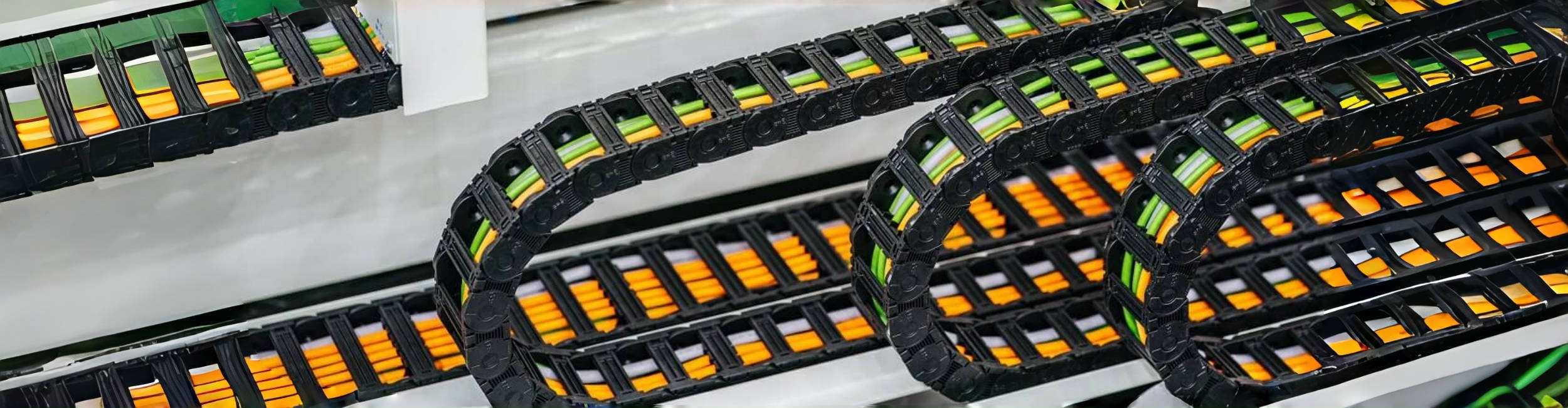
How to Choose the Right Plastic Drag Chain for Your Machine Tools
How to Choose the Right Plastic Drag Chain for Your Machine Tools Introduction to Plastic Drag Chains In the world of manufacturing and machine tools, **plastic drag chains** play a crucial role in protecting and organizing moving cables and hoses. These chains not only enhance operational efficiency but also safeguard equipment from wear and tear. Whether you operate a CNC machine or an assem
2026-02-21
How to Choose the Right Plastic Drag Chain for Your Machine Tools
Introduction to Plastic Drag Chains
In the world of manufacturing and machine tools, **plastic drag chains** play a crucial role in protecting and organizing moving cables and hoses. These chains not only enhance operational efficiency but also safeguard equipment from wear and tear. Whether you operate a CNC machine or an assembly line, understanding how to choose the right drag chain is vital to your productivity and equipment longevity.
Understanding the Functionality of Plastic Drag Chains
Plastic drag chains, often referred to as energy chains or cable carriers, are designed to guide and protect cables, wires, and hoses that are in motion. Their primary functions include:
- **Cable Protection**: Prevents damage from friction and external elements.
- **Organization**: Keeps cables neat and orderly, reducing clutter in workspaces.
- **Flexibility**: Allows for smooth movement with minimal resistance.
Choosing the right drag chain is essential to ensure these functions are served effectively in your operations.
Key Factors in Selecting the Right Plastic Drag Chain
When it comes to selecting the ideal plastic drag chain, several factors must be taken into consideration. Each of these factors contributes to the overall efficiency and effectiveness of your machine tools.
1. Chain Size and Dimensions
One of the first considerations is the **size and dimensions** of the drag chain. This includes the width, height, and pitch. To determine the appropriate size:
- Measure the diameter of the cables or hoses that will be housed within the chain.
- Consider the overall length of the cable run and the movement radius of the components in your machinery.
- Ensure the chain can accommodate the necessary number of cables while allowing for expansion and flexibility.
2. Material Composition
The **material composition** of the drag chain significantly affects its durability and performance. Common materials include:
- **Polyamide (Nylon)**: Known for its durability and resistance to abrasion.
- **Polypropylene**: Offers lightweight and flexible options, suitable for lighter applications.
- **Polyurethane**: Provides a high level of wear resistance, making it ideal for harsh environments.
Evaluate the operating conditions and select a material that will withstand the specific demands of your production environment.
3. Load Capacity and Weight Considerations
Understanding the **load capacity** is crucial for optimal performance. Drag chains are rated for different load capacities, which depend on the weight of the cables and hoses they are meant to carry. Factors to consider include:
- The weight of individual cables or hoses.
- The total weight when fully loaded.
- The dynamic and static load requirements during operation.
Selecting a drag chain with an appropriate load capacity ensures reliability and prevents breakage or malfunctioning during operation.
4. Flexibility and Movement Range
The **flexibility** of a drag chain impacts its performance in applications where movement is essential. Consider the following:
- The radius of movement (bending radius) that the drag chain will experience during use.
- Whether the application involves linear motion, rotational movement, or a combination of both.
Ensure that the chosen drag chain can accommodate the required movement without kinking or restricting the cables inside.
5. Environmental Conditions
The **environmental conditions** in which the drag chain operates are critical to its longevity. Factors to consider include:
- **Temperature extremes**: Ensure that selected materials can withstand the temperature ranges of your operational environment.
- **Exposure to chemicals**: If your workspace involves corrosive substances, opt for chains with chemical-resistant materials.
- **Humidity and moisture**: In wet environments, select materials that resist degradation from water exposure.
Choosing a drag chain that can withstand these conditions will help mitigate potential failures.
6. Installation and Maintenance Requirements
Consider the **installation and maintenance** aspects of the drag chain. Some chains offer ease of installation and require minimal maintenance, while others might need regular checks and servicing.
- Look for modular designs that facilitate easier assembly and disassembly.
- Evaluate the manufacturer’s instructions regarding maintenance routines to ensure ongoing reliability.
Choosing a user-friendly drag chain can save time and reduce labor costs over the lifespan of the equipment.
7. Noise Level and Vibration Damping
In many manufacturing settings, minimizing **noise levels** is essential for maintaining a productive work environment. Plastic drag chains can help reduce noise and vibration, which is beneficial for both equipment and personnel.
- Select chains designed specifically for low-noise operation.
- Consider additional features like vibration dampers to enhance overall performance.
Choosing the right chain can lead to a quieter and more efficient workspace.
Popular Types of Plastic Drag Chains
Understanding the various **types of plastic drag chains** available can aid in making an informed decision. Below are some popular options:
1. Open-Style Drag Chains
Open-style drag chains are designed for easy access to cables and hoses. They are typically used in applications where frequent maintenance or modification of the cable setup is needed.
2. Enclosed Drag Chains
Enclosed drag chains provide enhanced protection against external elements. They are ideal for environments that require maximum cable safety.
3. Customized Drag Chains
For unique applications, customized drag chains can be tailored to meet specific requirements, including size, load capacity, and material.
Installation Tips for Plastic Drag Chains
Correct installation of plastic drag chains is vital for achieving optimal performance and longevity. Here are some essential tips to keep in mind:
1. Follow Manufacturer Guidelines
Always refer to the manufacturer's installation guidelines, as they provide crucial information tailored to the specific drag chain model.
2. Ensure Proper Alignment
Make sure the drag chain is properly aligned with the movement path of the cables. Misalignment can lead to unnecessary wear and tear.
3. Leave Room for Expansion
When installing, allow for some slack in the cables to accommodate movement and thermal expansion. This consideration prevents strain on the cables and prolongs their lifespan.
Maintenance Best Practices for Plastic Drag Chains
To ensure your drag chains continue to operate efficiently, regular maintenance is essential. Here are some best practices:
1. Regular Inspections
Conduct periodic inspections to check for signs of wear, damage, or misalignment. Early detection of issues can prevent more significant problems down the line.
2. Cleaning
Keep the drag chain and its components clean from dust and debris. Accumulated dirt can lead to friction and wear, impacting the drag chain's performance.
3. Lubrication
Some drag chains may benefit from regular lubrication to reduce friction and noise. Follow the manufacturer’s recommendations for appropriate lubricants and frequencies.
FAQs about Plastic Drag Chains
1. What is the lifespan of a plastic drag chain?
The lifespan can vary based on usage, environment, and material. Generally, a well-maintained drag chain can last several years.
2. Can plastic drag chains be used outdoors?
Yes, but ensure you select a chain made from materials that can withstand outdoor conditions, including UV exposure and temperature fluctuations.
3. Are there weight restrictions for plastic drag chains?
Yes, each drag chain model has a specified load capacity. Exceeding this limit can lead to failure.
4. How do I know which size drag chain to choose?
Measure the diameter of the cables and hoses and consider the movement radius required to choose an appropriately sized drag chain.
5. Can I customize my drag chain?
Yes, many manufacturers offer customization options to suit specific needs regarding size, load capacity, and material.
Conclusion
Selecting the right plastic drag chain for your machine tools involves considering multiple factors, including size, material, load capacity, and environmental conditions. By understanding these elements, you can make an informed choice that enhances the efficiency and longevity of your equipment. Regular maintenance and proper installation further ensure that your investment remains protected. With the right drag chain, you can streamline operations and reduce downtime in your manufacturing processes, leading to greater productivity and success.
Related News

Maximizing Efficiency with Cable Drag Chains in Manufacturing
In the realm of manufacturing and machining, the need for organized, efficient, and safe cable management is paramount. This is where cable drag chains come into play. A cable drag chain is designed to house and protect cables, hoses, and other components, allowing for smooth, unhindered movement in machinery. With a variety of designs and configurations available, they cater to specific requireme
How to Troubleshoot Issues with Your Plastic Drag Chain Table of Contents Understanding Plastic Drag Chains Common Issues with Plastic Drag Chains Identifying the Symptoms of Drag Chain Failure Step-by-Step Troubleshooting Guide Preventative Maintenance Tips for Plastic Drag Chains When to Replace Your Drag Chain Best Practices for Installing Drag Chains Conclusion
Subscribe to
Get the latest information on company products


Contact
Add: 14-2,Liandong U Valley,Manufacturing Industrial Park,Tangxia Town,Pengjiang District,Jiangmen City Guangdong Province, China