Krius Intelligent Manufacturing (Jiangmen) Co., Ltd.

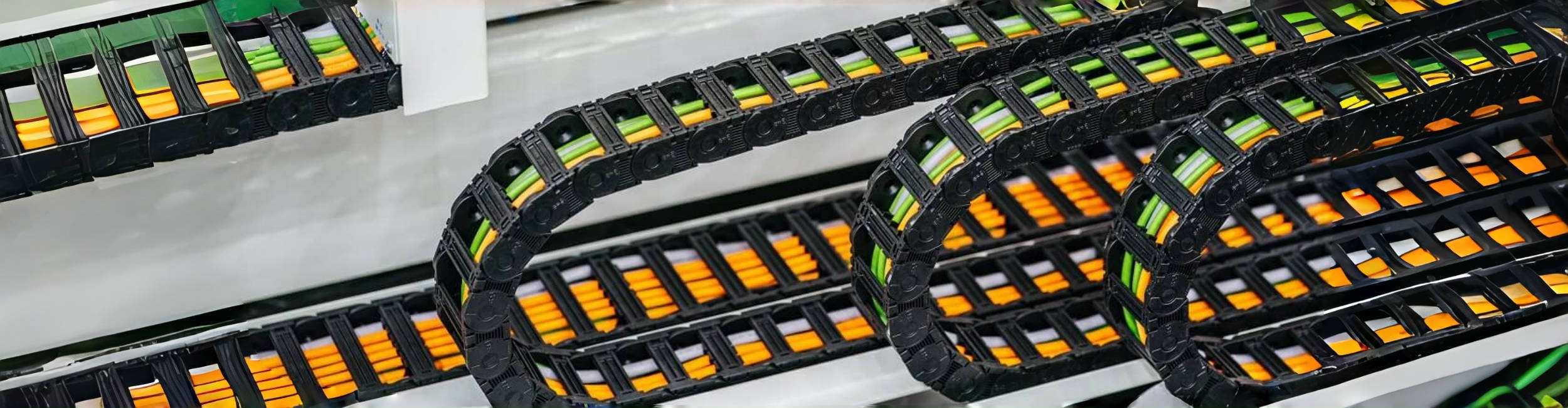
Nylon Cable Drag Chains: Enhancing Mobility in Machine Tool Operations
Nylon Cable Drag Chains: Enhancing Mobility in Machine Tool Operations In the fast-paced world of manufacturing, the need for efficient movement and organization of cables and hoses is paramount. **Nylon cable drag chains** have emerged as a vital solution for enhancing mobility in machine tool operations. These versatile components not only streamline workflows but also protect sensitive cables a
2026-02-17
Nylon Cable Drag Chains: Enhancing Mobility in Machine Tool Operations
In the fast-paced world of manufacturing, the need for efficient movement and organization of cables and hoses is paramount. **Nylon cable drag chains** have emerged as a vital solution for enhancing mobility in machine tool operations. These versatile components not only streamline workflows but also protect sensitive cables and hoses from wear and tear. This article delves into the intricacies of nylon cable drag chains, exploring their benefits, types, applications, and best practices for implementation.
Table of Contents
- What Are Nylon Cable Drag Chains?
- Benefits of Nylon Cable Drag Chains in Machine Tool Operations
- Types of Nylon Cable Drag Chains
- Applications of Nylon Cable Drag Chains in Manufacturing
- Installation and Maintenance of Nylon Drag Chains
- Case Studies: Success Stories Using Nylon Cable Drag Chains
- Choosing the Right Nylon Cable Drag Chain for Your Needs
- The Future of Nylon Cable Drag Chains in Manufacturing
- Frequently Asked Questions
What Are Nylon Cable Drag Chains?
Nylon cable drag chains, also known as energy chains or cable carriers, are specialized components designed to guide and protect cables and hoses in various machinery. These chains consist of interconnected links that form a flexible conduit, allowing for smooth movement while minimizing friction and wear. Made from durable nylon material, these drag chains offer several advantages over traditional metal carriers, including increased flexibility, reduced weight, and enhanced resistance to environmental factors.
Key Features of Nylon Cable Drag Chains
1. **Flexibility**: Nylon drag chains can bend and twist without causing damage to the cables within, making them ideal for dynamic applications.
2. **Lightweight Design**: The lightweight nature of nylon reduces the overall load on machinery, improving energy efficiency.
3. **Corrosion Resistance**: Nylon's inherent properties offer resistance to moisture, chemicals, and UV rays, extending the lifespan of both the chain and the cables it protects.
4. **Ease of Installation**: Most nylon drag chains are designed with user-friendly features that simplify installation and maintenance processes.
Benefits of Nylon Cable Drag Chains in Machine Tool Operations
Implementing nylon cable drag chains in machine tool operations can lead to significant improvements across various dimensions.
1. Enhanced Mobility and Efficiency
The primary function of nylon drag chains is to facilitate the smooth movement of cables and hoses, ensuring that they do not become tangled or damaged during operation. This enhanced mobility translates to increased efficiency, as operators can focus on completing tasks without interruptions caused by cable management issues.
2. Protection of Cables and Hoses
Cables and hoses are vulnerable to wear and tear when exposed to constant movement and friction. Nylon cable drag chains offer a protective shield, reducing the risk of damage and prolonging the lifespan of essential components. This protection ultimately leads to lower maintenance costs and reduced downtime.
3. Improved Safety
By organizing cables and hoses, nylon drag chains contribute to a safer working environment. They minimize tripping hazards and ensure that operators can move freely around machinery without the risk of entanglement. This focus on safety is critical in manufacturing settings where heavy machinery is in operation.
4. Cost-Effectiveness
Investing in nylon cable drag chains can result in significant cost savings over time. Their durability and protective capabilities reduce the frequency of cable replacements and minimize maintenance efforts, leading to lower overall operational costs.
Types of Nylon Cable Drag Chains
Understanding the different types of nylon cable drag chains available in the market is essential for selecting the right option for your specific needs.
1. Open Design Drag Chains
Open design drag chains feature a structure that allows for easy access to the cables and hoses inside. These chains are best suited for applications where frequent maintenance is required, as they enable quick and easy cable replacement.
2. Closed Design Drag Chains
Closed design drag chains offer a more protective enclosure, safeguarding the cables from external elements such as dust, debris, and moisture. These chains are ideal for applications in harsh environments where cable protection is paramount.
3. Heavy-Duty Drag Chains
For applications requiring additional strength and durability, heavy-duty nylon drag chains are available. These chains are designed to withstand extreme loads and high levels of stress, making them suitable for heavy machinery and industrial applications.
4. Customizable Drag Chains
Some manufacturers offer customizable nylon drag chains that can be tailored to fit specific dimensions and requirements. This flexibility allows businesses to find solutions that perfectly align with their unique operational needs.
Applications of Nylon Cable Drag Chains in Manufacturing
Nylon cable drag chains find applications across various sectors in the manufacturing industry, enhancing operations in numerous ways.
1. CNC Machining
In CNC machining, precise movement of cables and hoses is critical for maintaining accuracy and efficiency. Nylon drag chains provide the necessary organization and protection for these components, ensuring seamless operation.
2. Robotics
Robotic systems often involve complex movements that require reliable cable management. Nylon drag chains enhance the flexibility and mobility of cables, allowing robots to perform tasks with precision and speed.
3. Automation Systems
In automated manufacturing lines, nylon drag chains are essential for guiding and protecting cables that connect various equipment. By minimizing wear and tear on these cables, manufacturers can ensure uninterrupted operations.
4. Packaging Machinery
Packaging machinery relies on efficient cable management to operate effectively. Nylon drag chains help keep cables organized, allowing for consistent performance and reducing the risk of machine failures.
Installation and Maintenance of Nylon Drag Chains
Proper installation and maintenance of nylon cable drag chains are crucial for maximizing their effectiveness and lifespan.
1. Installation Guidelines
- **Plan the Layout**: Before installation, carefully plan the layout of the drag chain to ensure it fits seamlessly with the machinery.
- **Select Appropriate Size**: Choose a drag chain that is the right size and type for your specific application.
- **Secure Mounting**: Ensure that the drag chain is securely mounted to prevent movement during operation.
2. Maintenance Tips
- **Regular Inspections**: Periodically check the drag chains for signs of wear or damage.
- **Cleanliness**: Keep the drag chains clean and free from debris to prevent obstruction and damage.
- **Lubrication**: Apply lubrication to moving parts as needed to maintain smooth operation.
Case Studies: Success Stories Using Nylon Cable Drag Chains
Examining real-world examples of businesses that have successfully implemented nylon cable drag chains can provide valuable insights.
1. Automotive Manufacturing
An automotive manufacturer faced challenges with cable management in their assembly line. By integrating nylon cable drag chains, they significantly reduced cable wear and improved mobility, leading to decreased production downtime.
2. Aerospace Engineering
An aerospace company required precise cable management in their complex machinery. The adoption of customized nylon drag chains resulted in enhanced organization and protection of critical components, allowing for more efficient manufacturing processes.
Choosing the Right Nylon Cable Drag Chain for Your Needs
Selecting the right nylon cable drag chain is essential for achieving optimal performance. Here are key considerations to keep in mind:
1. Application Requirements
Assess the specific requirements of your machinery and operations. Consider factors such as load capacity, environmental conditions, and flexibility needs.
2. Chain Size and Configuration
Choose a drag chain that fits the dimensions of your cables and hoses. Proper sizing ensures effective protection and mobility.
3. Manufacturer Reputation
Research reputable manufacturers known for producing high-quality nylon cable drag chains. Ensure they provide reliable products backed by a solid warranty.
The Future of Nylon Cable Drag Chains in Manufacturing
As manufacturing technologies continue to evolve, the role of nylon cable drag chains is expected to expand. Innovations in material science may lead to even more durable and efficient designs, further enhancing their effectiveness in diverse applications. Additionally, the integration of smart technologies could pave the way for more intelligent cable management systems, revolutionizing how industries approach machinery operations.
Frequently Asked Questions
1. What materials are nylon cable drag chains made of?
Nylon cable drag chains are primarily made from durable nylon, which offers flexibility, lightweight properties, and resistance to environmental factors.
2. How do nylon drag chains improve safety in manufacturing?
By organizing cables and hoses, nylon drag chains reduce the risk of tripping hazards and ensure that operators can move freely around machinery without entanglement.
3. Can nylon cable drag chains be customized?
Yes, many manufacturers offer customizable nylon drag chains that can be tailored to fit specific dimensions and operational requirements.
4. How often should nylon drag chains be inspected?
Regular inspections should be conducted at least once a month, or more frequently in high-use environments, to detect any signs of wear or damage.
5. Are nylon drag chains suitable for outdoor use?
Nylon drag chains can be used outdoors, but it's essential to ensure they are rated for UV and environmental exposure to enhance their longevity.
Conclusion
Nylon cable drag chains play a crucial role in enhancing mobility and efficiency in machine tool operations. Their ability to protect cables and hoses, combined with the numerous benefits they offer, makes them a valuable investment for any manufacturing environment. By understanding the various types, applications, and installation practices of nylon drag chains, businesses can optimize their operations, ensuring safety, cost-effectiveness, and reliability. Embracing these innovative solutions will undoubtedly pave the way for more efficient manufacturing processes in the years to come.
Related News

Maximizing Efficiency with Cable Drag Chains in Manufacturing
In the realm of manufacturing and machining, the need for organized, efficient, and safe cable management is paramount. This is where cable drag chains come into play. A cable drag chain is designed to house and protect cables, hoses, and other components, allowing for smooth, unhindered movement in machinery. With a variety of designs and configurations available, they cater to specific requireme
How to Troubleshoot Issues with Your Plastic Drag Chain Table of Contents Understanding Plastic Drag Chains Common Issues with Plastic Drag Chains Identifying the Symptoms of Drag Chain Failure Step-by-Step Troubleshooting Guide Preventative Maintenance Tips for Plastic Drag Chains When to Replace Your Drag Chain Best Practices for Installing Drag Chains Conclusion
Subscribe to
Get the latest information on company products


Contact
Add: 14-2,Liandong U Valley,Manufacturing Industrial Park,Tangxia Town,Pengjiang District,Jiangmen City Guangdong Province, China