Krius Intelligent Manufacturing (Jiangmen) Co., Ltd.

The Importance of Flexibility in Nylon Cable Drag Chains for Machinery
The Importance of Flexibility in Nylon Cable Drag Chains for Machinery Table of Contents 1. Introduction to Nylon Cable Drag Chains 2. What are Nylon Cable Drag Chains? 3. Benefits of Flexibility in Drag Chains 4. Applications of Nylon Cable Drag Chains in Machinery 5. Design and Construction of Flexible Drag Chains 6. Maintenance Tips for Nylon Cable Drag Chains 7. Po
2026-02-07
The Importance of Flexibility in Nylon Cable Drag Chains for Machinery
Table of Contents
- 1. Introduction to Nylon Cable Drag Chains
- 2. What are Nylon Cable Drag Chains?
- 3. Benefits of Flexibility in Drag Chains
- 4. Applications of Nylon Cable Drag Chains in Machinery
- 5. Design and Construction of Flexible Drag Chains
- 6. Maintenance Tips for Nylon Cable Drag Chains
- 7. Potential Challenges of Using Drag Chains
- 8. Future Trends in Drag Chain Technology
- 9. Conclusion
- 10. Frequently Asked Questions
1. Introduction to Nylon Cable Drag Chains
In the manufacturing landscape, **machinery efficiency** is paramount. One of the critical components that contribute to this efficiency is the **nylon cable drag chain**. Understanding the importance of flexibility in these components can lead to better performance, longer lifespan, and optimized operations.
Nylon cable drag chains serve an essential role in protecting cables, hoses, and other flexible connections in machinery. With their ability to withstand harsh environments, these chains are a favorite in various industries, including automation, CNC machining, and robotics.
2. What are Nylon Cable Drag Chains?
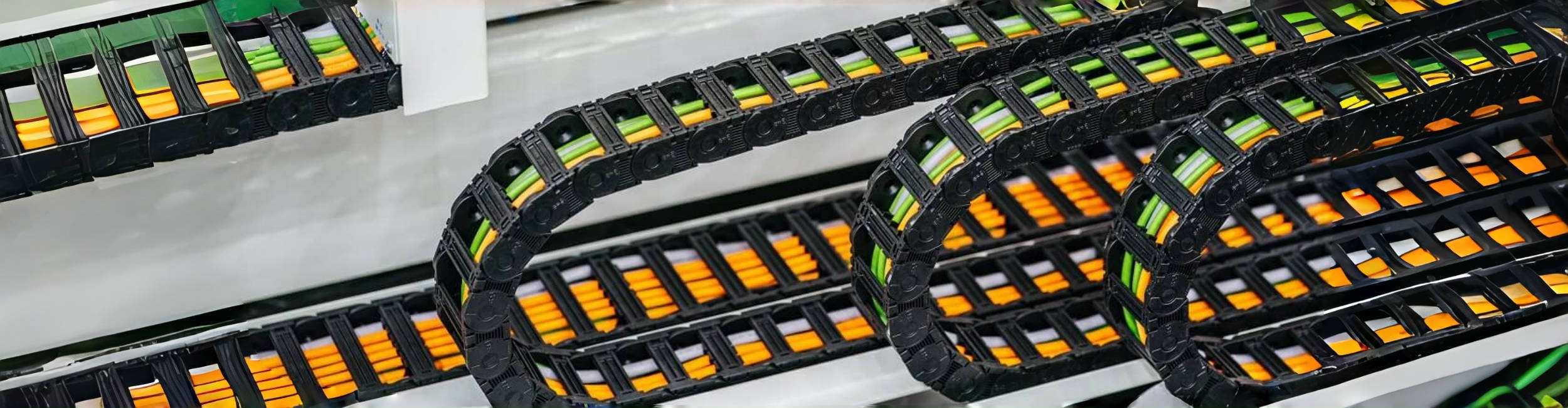
Nylon cable drag chains are protective conduits used to manage and guide cables and hoses in moving machinery. They consist of interconnected links that allow for bending and flexibility, accommodating machinery that moves in multiple directions. The **material properties** of nylon make these chains lightweight yet durable, providing excellent protection against wear and tear.
Key characteristics of nylon cable drag chains include:
- **High flexibility**: They can bend and twist without damaging the cables inside.
- **Chemical resistance**: Nylon is resistant to oils, fuels, and some chemicals, making it suitable for various environments.
- **Lightweight design**: This reduces the overall weight of the machinery, improving efficiency.
3. Benefits of Flexibility in Drag Chains
The flexibility of nylon cable drag chains offers numerous advantages that contribute to the overall performance and reliability of machinery.
Improved Cable Management
Flexibility allows for better organization of cables, reducing tangling and wear. This leads to easier maintenance and less downtime due to cable failures.
Enhanced Movement
Machinery often requires dynamic movement. Flexible drag chains enable cables to move smoothly along with the machinery, minimizing stress on the cables and extending their lifespan.
Reduced Wear and Tear
The inherent flexibility of nylon drag chains means that they can absorb shocks and vibrations, protecting the cables and hoses from damage. This results in fewer replacements and lower operational costs.
Customization Options
The flexibility of design allows manufacturers to create drag chains tailored to specific machinery needs. This customization can enhance performance and fit in tight spaces, which is crucial in modern industrial settings.
4. Applications of Nylon Cable Drag Chains in Machinery
Nylon cable drag chains are widely used across several industries, each benefiting from their flexibility.
CNC Machines
In CNC (Computer Numerical Control) machines, drag chains help organize and protect wires and hoses that power the machine's operations. Their flexibility supports the intricacies of multidirectional movement, crucial for precision machining.
Robotics
Robotics applications often require high levels of movement and flexibility. Nylon drag chains keep electrical and pneumatic lines organized and free from damage, allowing robots to operate efficiently in dynamic environments.
Automated Assembly Lines
In automated assembly lines, flexibility in drag chains allows for quick adjustments and modifications, accommodating various machines and processes without needing extensive redesigns.
5. Design and Construction of Flexible Drag Chains
The design of nylon cable drag chains is integral to their functionality. Understanding how they are constructed helps manufacturers and engineers make informed decisions regarding their use.
Material Composition
Nylon, the primary material used in drag chains, provides unique benefits, including thermal stability and durability. Advanced formulations may include additives that enhance their resistance to UV light and extreme temperatures.
Link Structure
The interlinking design of drag chains allows for flexibility. Each link can pivot independently, allowing the chain to bend without putting excessive strain on the cables inside.
Attachment Options
Various attachment methods are available for securing drag chains to machinery. These options enhance flexibility and make installation and maintenance more straightforward.
6. Maintenance Tips for Nylon Cable Drag Chains
To ensure the longevity and performance of nylon cable drag chains, regular maintenance is essential.
Routine Inspections
Conducting regular inspections for wear and damage can help identify issues before they lead to significant failures. Look for signs of fraying, cracking, or discoloration.
Cleaning Procedures
Keeping drag chains clean is vital. Dust and debris can accumulate and cause friction, leading to wear. Utilize a soft brush or compressed air to remove contaminants.
Proper Lubrication
While nylon drag chains typically do not require lubrication, it is essential to ensure that the cables and hoses they protect are adequately lubricated to prevent friction and wear.
7. Potential Challenges of Using Drag Chains
Despite their numerous benefits, nylon cable drag chains can present some challenges.
Temperature Sensitivity
Nylon can lose its flexibility at extreme temperatures. In environments where the temperature fluctuates considerably, it's vital to consider alternative materials or designs.
Load Capacity Limitations
Each drag chain has a specified load capacity. Exceeding this limit can lead to premature failure. It’s crucial to select the right size and design for specific applications.
8. Future Trends in Drag Chain Technology
As technology evolves, so do drag chains. Innovations in materials and design are paving the way for even more efficient and flexible options.
Smart Drag Chains
The integration of sensors within drag chains could provide real-time data on wear and performance, allowing for predictive maintenance and reducing downtime.
Eco-Friendly Materials
With an increased focus on sustainability, manufacturers are exploring eco-friendly materials that maintain the performance characteristics of traditional nylon while being less harmful to the environment.
9. Conclusion
In conclusion, the **flexibility of nylon cable drag chains** is a critical component in optimizing machinery performance. Their ability to manage cables efficiently, absorb shocks, and allow for dynamic movement results in enhanced productivity and reduced operational costs. As technologies advance, the role of drag chains will continue to evolve, offering even greater benefits to industries relying on machinery for their operations.
10. Frequently Asked Questions
What is the primary purpose of nylon cable drag chains?
Nylon cable drag chains are designed to protect and organize cables and hoses in machinery, allowing for smooth movement and minimizing wear.
How do I maintain my nylon cable drag chains?
Regular inspections, cleaning, and ensuring proper lubrication of the cables are critical for maintenance.
Can nylon drag chains be used outdoors?
Yes, but care should be taken regarding UV exposure and extreme temperatures, as these can affect the integrity of the nylon.
What are the advantages of using nylon over metal drag chains?
Nylon drag chains are lighter, more flexible, resistant to chemicals, and reduce noise compared to metal options, making them preferable in many applications.
How do I choose the right drag chain for my machinery?
Consider factors such as the load capacity, environmental conditions, and the specific application requirements when selecting a drag chain.
PREVIOUS:
Related News

Maximizing Efficiency with Cable Drag Chains in Manufacturing
In the realm of manufacturing and machining, the need for organized, efficient, and safe cable management is paramount. This is where cable drag chains come into play. A cable drag chain is designed to house and protect cables, hoses, and other components, allowing for smooth, unhindered movement in machinery. With a variety of designs and configurations available, they cater to specific requireme
How to Troubleshoot Issues with Your Plastic Drag Chain Table of Contents Understanding Plastic Drag Chains Common Issues with Plastic Drag Chains Identifying the Symptoms of Drag Chain Failure Step-by-Step Troubleshooting Guide Preventative Maintenance Tips for Plastic Drag Chains When to Replace Your Drag Chain Best Practices for Installing Drag Chains Conclusion
Subscribe to
Get the latest information on company products


Contact
Add: 14-2,Liandong U Valley,Manufacturing Industrial Park,Tangxia Town,Pengjiang District,Jiangmen City Guangdong Province, China