Krius Intelligent Manufacturing (Jiangmen) Co., Ltd.

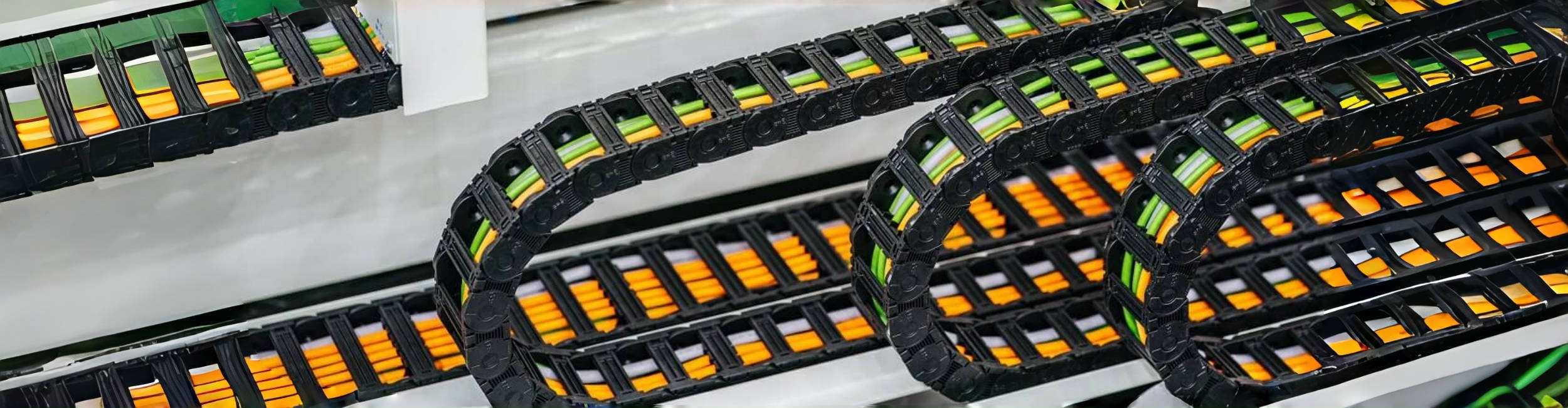
The Importance of Sizing Your Cable Drag Chain Correctly: A Comprehensive Guide
The Importance of Sizing Your Cable Drag Chain Correctly Introduction to Cable Drag Chains Cable drag chains, often referred to as cable carriers or drag chains, are essential components in various manufacturing processes and machinery. These mechanisms are designed to manage and protect cables and hoses, allowing for smooth movement and reducing wear and tear during operation. Proper sizing of yo
2026-02-05
The Importance of Sizing Your Cable Drag Chain Correctly
Introduction to Cable Drag Chains
Cable drag chains, often referred to as cable carriers or drag chains, are essential components in various manufacturing processes and machinery. These mechanisms are designed to manage and protect cables and hoses, allowing for smooth movement and reducing wear and tear during operation. Proper sizing of your cable drag chain is crucial for ensuring optimal performance, longevity, and safety in your machinery.
Why Proper Sizing Matters
Choosing the right size for your cable drag chain has several implications, including:
1. Enhanced Durability
When you select a cable drag chain that is too small, it can lead to excessive strain on the cables and the chain itself. Over time, this strain can result in premature wear, leading to costly repairs or replacements. Conversely, an oversized drag chain can increase the risk of cable tangling and additional wear. Thus, proper sizing ensures that the drag chain can accommodate the required cables without unnecessary stress.
2. Improved Performance
A correctly sized cable drag chain enhances the overall performance of your machinery. It allows for smooth cable movement, reducing friction and preventing kinks or tangles. By improving the efficiency of cable management, you can facilitate faster and more efficient operations, ultimately boosting productivity.
3. Safety Considerations
Improperly sized drag chains can create safety hazards. Cables that are too tight can lead to electrical shorts or breaks, while those that are too loose may get caught in moving parts, causing potential accidents. Ensuring the right size mitigates these risks and promotes a safer working environment for operators.
Factors to Consider When Sizing Your Cable Drag Chain
When determining the appropriate size for your cable drag chain, several factors come into play:
1. Cable Type and Size
The type and size of cables you intend to use play a significant role in sizing your drag chain. For example, power cables, signal cables, and hydraulic hoses all have different diameters and flexibility. Measuring the outer diameter of the cables accurately is crucial for selecting a compatible drag chain.
2. Radius of Curvature
The radius of curvature refers to the minimum bend radius the cable drag chain must accommodate during operation. If the bending radius is too tight for the cables, it can lead to damage over time. Always consult the manufacturer’s specifications for the recommended minimum bend radius.
3. Length of Travel
The length of travel, or the distance the cable drag chain will need to cover, is another essential factor. A longer travel distance may require a different chain design or additional support to ensure stability and prevent sagging.
4. Environmental Conditions
Consideration of the operating environment is crucial. Dust, moisture, extreme temperatures, and chemical exposure can all affect the performance of both cables and drag chains. Selecting a cable drag chain made from suitable materials that can withstand these conditions can enhance durability and longevity.
5. Load Capacity
Different cable drag chains have varying load capacities. It is important to choose a drag chain that can support the cumulative weight of all the cables and hoses it will carry. Overloading a cable drag chain can cause it to fail prematurely.
Steps to Accurately Size Your Cable Drag Chain
To ensure that you select the correct size for your cable drag chain, follow these detailed steps:
Step 1: Identify Your Cables
Start by listing all the cables and hoses that will be included in the drag chain. Measure the outer diameter of each cable accurately. Take note of the type of cable as well, since different types may require different handling.
Step 2: Calculate Total Width
Add together the diameters of all cables and hoses to get a total width. It's advisable to include a little extra space for ease of movement and to prevent friction.
Step 3: Determine the Minimum Bend Radius
Refer to the specifications of each cable to determine the minimum bend radius required. This information is critical in ensuring that the drag chain is not too tight against the cables.
Step 4: Measure the Length of Travel
Determine the distance the cable drag chain will cover. This measurement will help you choose the appropriate length of the drag chain needed for your setup.
Step 5: Select Your Drag Chain
Based on the information gathered, begin searching for drag chains that meet your specifications. Consult manufacturer catalogs and recommendations to find suitable options.
Step 6: Installation and Testing
After purchasing the correctly sized drag chain, proceed with installation. Ensure that it is installed as per the manufacturer’s guidelines. Once installed, conduct tests to verify that the cables move freely without binding.
Common Mistakes to Avoid When Sizing a Cable Drag Chain
When sizing your cable drag chain, avoid these common pitfalls:
1. Underestimating Cable Size
A frequent mistake is underestimating the size of cables. Make sure to measure each cable accurately to prevent issues down the line.
2. Ignoring Environmental Factors
Neglecting to consider the operating environment can lead to unexpected wear and tear. Always choose materials that suit your specific conditions.
3. Overloading the Drag Chain
Failing to account for the total weight of cables can result in overloading the drag chain. Always verify load capacity before installation.
4. Skipping the Testing Phase
Some may rush to complete the setup without testing. Always test the drag chain in motion to ensure it operates smoothly and safely.
FAQs About Cable Drag Chain Sizing
1. How do I measure the outer diameter of my cables?
Use a caliper or measuring tape to measure the widest part of the cable. Ensure you measure the outer diameter, including any insulation.
2. What happens if I choose the wrong size chain?
Choosing the wrong size can lead to increased wear, potential damage to cables, and safety hazards due to improper cable management.
3. How can I improve the lifespan of my cable drag chain?
By sizing it correctly, regularly inspecting for wear, and ensuring proper lubrication, you can enhance the lifespan of your cable drag chain.
4. Can I use a single drag chain for multiple cables?
Yes, a single drag chain can carry multiple cables as long as it is sized appropriately to accommodate the total width and weight.
5. Is there a difference between indoor and outdoor cable drag chains?
Yes, outdoor drag chains typically require materials that can withstand harsher environmental conditions, such as UV exposure and moisture.
Conclusion
Accurate sizing of your cable drag chain is fundamental to ensuring the efficiency, durability, and safety of your machinery. By understanding the factors involved in selecting the right size, following a systematic approach to determine your needs, and avoiding common mistakes, you can optimize your manufacturing processes. Investing time and effort into proper sizing not only enhances the performance of your equipment but also safeguards against costly repairs and enhances workplace safety. As you proceed with your cable management solutions, ensure that you prioritize the importance of correct sizing for a successful operation.
Related News

Maximizing Efficiency with Cable Drag Chains in Manufacturing
In the realm of manufacturing and machining, the need for organized, efficient, and safe cable management is paramount. This is where cable drag chains come into play. A cable drag chain is designed to house and protect cables, hoses, and other components, allowing for smooth, unhindered movement in machinery. With a variety of designs and configurations available, they cater to specific requireme
How to Troubleshoot Issues with Your Plastic Drag Chain Table of Contents Understanding Plastic Drag Chains Common Issues with Plastic Drag Chains Identifying the Symptoms of Drag Chain Failure Step-by-Step Troubleshooting Guide Preventative Maintenance Tips for Plastic Drag Chains When to Replace Your Drag Chain Best Practices for Installing Drag Chains Conclusion
Subscribe to
Get the latest information on company products


Contact
Add: 14-2,Liandong U Valley,Manufacturing Industrial Park,Tangxia Town,Pengjiang District,Jiangmen City Guangdong Province, China