Krius Intelligent Manufacturing (Jiangmen) Co., Ltd.

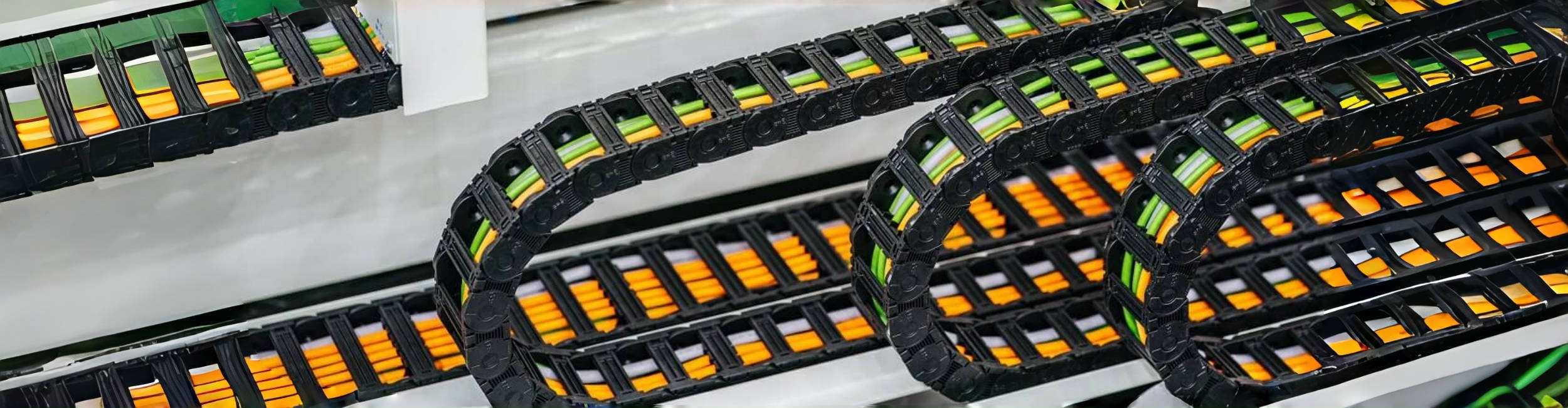
Reducing Downtime with Efficient Plastic Cable Drag Chains: A Comprehensive Guide
Reducing Downtime with Efficient Plastic Cable Drag Chains Introduction to Plastic Cable Drag Chains In the realm of manufacturing and automation, minimizing downtime is crucial for maintaining productivity and efficiency. One solution that has gained traction in recent years is the use of **plastic cable drag chains**. These components serve as protective conduits for cables and hoses, ensuring s
2026-02-03
Reducing Downtime with Efficient Plastic Cable Drag Chains
Introduction to Plastic Cable Drag Chains
In the realm of manufacturing and automation, minimizing downtime is crucial for maintaining productivity and efficiency. One solution that has gained traction in recent years is the use of **plastic cable drag chains**. These components serve as protective conduits for cables and hoses, ensuring smooth motion and reducing wear and tear. In this article, we will delve into the benefits, applications, and best practices related to plastic cable drag chains, demonstrating how they can significantly reduce downtime in various manufacturing environments.
Understanding the Role of Cable Drag Chains
What Are Cable Drag Chains?
Cable drag chains, often referred to simply as drag chains, are mechanical devices designed to guide and protect moving cables and hoses. Typically made from durable plastic, these chains allow for organized management of wiring in dynamic systems, such as CNC machines, robotic arms, and conveyor belts. Given their pivotal role in machinery, understanding their construction and functionality is essential for achieving operational efficiency.
Why Choose Plastic Over Metal?
While metal drag chains have traditionally been used in heavy-duty applications, plastic drag chains are rapidly becoming the preferred choice for many manufacturers. The advantages of plastic include:
- **Weight Reduction**: Plastic drag chains are significantly lighter than their metal counterparts, which reduces the overall weight of the machinery and allows for faster movement.
- **Corrosion Resistance**: Unlike metal chains that can rust, plastic drag chains are resistant to many chemicals and environmental factors, ensuring a longer lifespan.
- **Flexibility and Design Options**: Plastic can be molded into intricate shapes, offering more design flexibility that suits various machine configurations.
How Plastic Cable Drag Chains Minimize Downtime
Enhanced Protection for Cables
One of the primary functions of plastic cable drag chains is to safeguard cables from abrasion and mechanical damage. By housing cables within a protective structure, these chains reduce the likelihood of cable failures that can result in costly downtime.
Improved Mobility and Range of Motion
Plastic drag chains facilitate smooth movement of cables and hoses during operation. Their design accommodates bending, twisting, and flexing, which helps prevent tangling and kinking. This improvement in mobility directly contributes to uninterrupted operations.
Low Maintenance Requirements
With their robust design, **plastic cable drag chains** require minimal maintenance. This capability helps lower the chances of unexpected breakdowns, allowing for scheduled maintenance instead. Consequently, businesses can achieve higher productivity levels and increased operational uptime.
Applications of Plastic Cable Drag Chains
Manufacturing and CNC Machining
In the manufacturing sector, especially in CNC machining, consistent cable management is vital. Plastic drag chains help organize extensive wiring systems, ensuring that machines run smoothly without interruptions caused by cable entanglements or damage.
Robotics and Automation
Robotic systems rely heavily on dynamic cable management. Plastic drag chains enable robots to perform repetitive tasks without cable-related issues, thereby enhancing their operational efficiency and minimizing downtime.
Automated Guided Vehicles (AGVs)
AGVs are increasingly used in warehouses and factories to streamline material handling. Integration of plastic cable drag chains allows for seamless power and data transmission, ensuring these vehicles operate without interruptions.
Choosing the Right Plastic Cable Drag Chain
Factors to Consider
When selecting plastic cable drag chains for your application, several factors should be evaluated:
- **Load Capacity**: Ensure the drag chain can handle the weight of the cables and hoses it will contain.
- **Bending Radius**: Assess the required bending radius based on the machine's movement to prevent cable damage.
- **Environmental Conditions**: Consider factors such as temperature, humidity, and exposure to chemicals that may affect chain longevity.
Custom Solutions for Unique Needs
In many cases, standard drag chains may not meet specific operational requirements. Custom solutions can be tailored to fit unique applications, ensuring optimal performance and reliability.
Best Practices for Implementing Plastic Cable Drag Chains
Proper Installation Techniques
To maximize the effectiveness of plastic cable drag chains, proper installation is essential. Ensure all cables are adequately secured, and the drag chain is appropriately mounted to avoid strain on the cables during operation.
Regular Inspections and Maintenance
Even though plastic drag chains are low-maintenance, conducting routine inspections is crucial. Check for signs of wear, proper alignment, and secure attachment to prevent any potential failures.
Training Staff on Optimal Use
Training your team on the correct handling and management of cable drag chains can also minimize downtime. Understanding the importance of these components will foster a culture of proactive maintenance and care.
Comparative Analysis: Plastic vs. Traditional Cable Management Systems
Performance Metrics
When evaluating the performance of plastic cable drag chains against traditional systems, consider metrics such as:
- **Downtime Frequency**: Measure how often machinery experiences downtime due to cable issues.
- **Maintenance Costs**: Compare the maintenance expenses associated with different systems.
- **Operational Efficiency**: Analyze productivity levels before and after implementing plastic drag chains.
Cost-Effectiveness Over Time
While the initial investment in plastic cable drag chains may be higher than traditional systems, the long-term benefits of reduced downtime and maintenance costs result in a more cost-effective solution.
Conclusion
Incorporating **efficient plastic cable drag chains** into manufacturing processes can significantly enhance operational efficiency by minimizing downtime. Their protective capabilities, low maintenance, and flexibility make them an ideal choice for various applications, from CNC machining to robotics. Understanding how to select and implement these systems will empower manufacturers to achieve greater productivity and reduce operational disruptions, ultimately leading to a more agile and competitive business. By investing in plastic cable drag chains, organizations can secure a reliable and efficient future in their manufacturing endeavors.
FAQs
1. What are plastic cable drag chains made from?
Plastic cable drag chains are typically constructed from high-quality, durable plastics such as polyethylene or nylon, which provide resistance to wear, chemicals, and environmental conditions.
2. How often should I inspect plastic cable drag chains?
It's advisable to inspect plastic cable drag chains regularly, at least once every three months, or more frequently in high-use environments to identify signs of wear and tear.
3. Can plastic cable drag chains be customized?
Yes, plastic cable drag chains can be customized to meet specific application requirements, including size, shape, and load capacity.
4. What are the benefits of using plastic over metal drag chains?
Plastic drag chains offer several advantages, including lower weight, corrosion resistance, design flexibility, and reduced noise levels during operation compared to metal chains.
5. How do I determine the right bending radius for my application?
The right bending radius depends on the type of cables and hoses being used and the machine's movement. It is essential to consult manufacturer specifications to select an appropriate radius that prevents cable damage.
Related News

Maximizing Efficiency with Cable Drag Chains in Manufacturing
In the realm of manufacturing and machining, the need for organized, efficient, and safe cable management is paramount. This is where cable drag chains come into play. A cable drag chain is designed to house and protect cables, hoses, and other components, allowing for smooth, unhindered movement in machinery. With a variety of designs and configurations available, they cater to specific requireme
How to Troubleshoot Issues with Your Plastic Drag Chain Table of Contents Understanding Plastic Drag Chains Common Issues with Plastic Drag Chains Identifying the Symptoms of Drag Chain Failure Step-by-Step Troubleshooting Guide Preventative Maintenance Tips for Plastic Drag Chains When to Replace Your Drag Chain Best Practices for Installing Drag Chains Conclusion
Subscribe to
Get the latest information on company products


Contact
Add: 14-2,Liandong U Valley,Manufacturing Industrial Park,Tangxia Town,Pengjiang District,Jiangmen City Guangdong Province, China