Krius Intelligent Manufacturing (Jiangmen) Co., Ltd.

From Concept to Creation: The Comprehensive Manufacturing Process of Nylon Cable Drag Chains
From Concept to Creation: The Comprehensive Manufacturing Process of Nylon Cable Drag Chains Table of Contents 1. Introduction to Nylon Cable Drag Chains 2. What Are Nylon Cable Drag Chains? 3. Importance of Nylon Cable Drag Chains in Manufacturing 4. The Design Process of Nylon Cable Drag Chains 5. Material Selection for Durability and Performance 6. Manufacturing Techniq
2026-01-06
From Concept to Creation: The Comprehensive Manufacturing Process of Nylon Cable Drag Chains
Table of Contents
- 1. Introduction to Nylon Cable Drag Chains
- 2. What Are Nylon Cable Drag Chains?
- 3. Importance of Nylon Cable Drag Chains in Manufacturing
- 4. The Design Process of Nylon Cable Drag Chains
- 5. Material Selection for Durability and Performance
- 6. Manufacturing Techniques Used in Producing Nylon Cable Drag Chains
- 7. Quality Control Measures in Drag Chain Manufacturing
- 8. Applications of Nylon Cable Drag Chains in Various Industries
- 9. Conclusion: The Future of Nylon Cable Drag Chains
- 10. Frequently Asked Questions
1. Introduction to Nylon Cable Drag Chains
Nylon cable drag chains, often referred to as cable carriers or drag chains, play a critical role in various industrial applications. These chains are designed to manage and protect cables and hoses in moving machinery, ensuring they remain organized and free from damage. As industries evolve, the need for efficient and reliable drag chains has only increased, making it essential to understand the manufacturing process that brings these components to life.
2. What Are Nylon Cable Drag Chains?
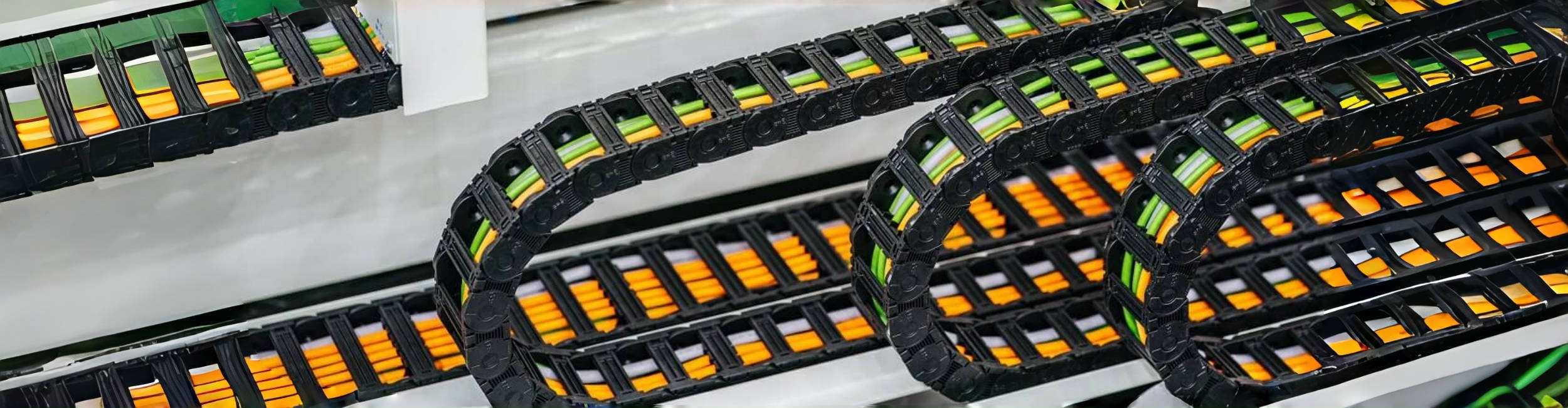
Nylon cable drag chains are flexible, lightweight structures that house and guide electrical cables, hydraulic hoses, and other utility lines along the path of machinery's movement. Typically constructed from high-quality nylon, these chains offer a combination of strength, flexibility, and resistance to wear and tear. They are available in various sizes and configurations to meet specific application requirements.
3. Importance of Nylon Cable Drag Chains in Manufacturing
The importance of nylon cable drag chains cannot be overstated, particularly in manufacturing environments where machinery operates continuously. These components help to:
- **Enhance Operational Efficiency**: By keeping cables organized and preventing tangling, drag chains contribute to smoother operations and reduced downtime.
- **Protect Cables and Hoses**: They safeguard cables and hoses from abrasion, crushing, and environmental factors, thereby extending their lifespan.
- **Improve Safety**: Organized cabling reduces the risk of accidents in the workplace, promoting a safer working environment.
4. The Design Process of Nylon Cable Drag Chains
The design phase is a critical step in the development of nylon cable drag chains. This process usually involves the following stages:
4.1 Conceptualization
During the initial phase, engineers work closely with clients to understand their specific requirements. This involves discussing load capacities, flexibility needs, and environmental conditions that the drag chains will face.
4.2 CAD Modeling
Once the requirements are established, engineers create detailed Computer-Aided Design (CAD) models. These models allow for a virtual examination of the chain's functionality and alignment with the desired specifications.
4.3 Prototyping
Prototyping is an essential step that allows manufacturers to test the design before mass production. Using 3D printing or CNC machining, prototypes are created to evaluate performance and make necessary adjustments.
5. Material Selection for Durability and Performance
Material selection is vital to the success of nylon cable drag chains. The choice of nylon as the primary material is due to its advantageous properties, such as:
- **High Tensile Strength**: Nylon can withstand significant loads without breaking.
- **Chemical Resistance**: It is resistant to many chemicals, making it suitable for various industrial applications.
- **Low Friction**: This feature ensures smooth movement and reduces wear on cables and hoses.
Additionally, manufacturers often incorporate additives to enhance specific properties, such as UV resistance or flame retardation, depending on the intended application.
6. Manufacturing Techniques Used in Producing Nylon Cable Drag Chains
The production of nylon cable drag chains involves several advanced manufacturing techniques. Here are some of the most common methods:
6.1 Injection Molding
Injection molding is the most widely used method for producing nylon drag chains. This process involves injecting molten nylon into a mold, where it cools and solidifies into the desired shape. This technique allows for high-volume production with excellent precision.
6.2 CNC Machining
CNC (Computer Numerical Control) machining is employed for creating custom or complex drag chain designs. This method allows for the precise cutting and shaping of nylon components, ensuring that they meet specific client requirements.
6.3 Laser Cutting
For applications that require intricate designs or variations in thickness, laser cutting is an effective technique. This method provides high accuracy and enables manufacturers to create detailed patterns in drag chains.
7. Quality Control Measures in Drag Chain Manufacturing
Ensuring the quality and reliability of nylon cable drag chains is paramount. Manufacturers implement several quality control measures throughout the production process:
7.1 Material Testing
Before production begins, raw materials are tested for strength, flexibility, and chemical resistance to ensure they meet industry standards.
7.2 In-Process Inspections
During manufacturing, regular inspections are conducted to check for consistency and defects. This includes dimensional checks and visual inspections of the components.
7.3 Final Quality Assessment
Once the drag chains are produced, they undergo a final quality assessment where they are tested for performance and durability to ensure they meet the specifications outlined during the design phase.
8. Applications of Nylon Cable Drag Chains in Various Industries
Nylon cable drag chains are utilized across various sectors due to their versatility and efficiency. Common applications include:
8.1 Automation and Robotics
In automated manufacturing environments, drag chains manage cables and hoses that power robotic arms and conveyor systems, ensuring uninterrupted functionality.
8.2 CNC Machinery
CNC machines rely on drag chains to protect and guide electrical and hydraulic lines as they move, which optimizes performance and enhances safety.
8.3 Aerospace and Automotive
In the aerospace and automotive industries, drag chains help maintain electrical systems in aircraft and vehicles, safeguarding them against environmental conditions.
9. Conclusion: The Future of Nylon Cable Drag Chains
The manufacturing process of nylon cable drag chains is a complex and multi-faceted journey that spans from initial concept to final production. With the increasing demand for more efficient, durable, and safer machinery, the role of drag chains in various industries will only grow. As manufacturers continue to innovate and implement advanced technologies in the design and production of these components, the future looks bright for nylon cable drag chains.
10. Frequently Asked Questions
10.1 What are the advantages of using nylon for drag chains?
Using nylon offers high tensile strength, chemical resistance, and low friction, making it an ideal material for drag chains.
10.2 How do manufacturers ensure quality in drag chain production?
Manufacturers conduct material testing, in-process inspections, and final quality assessments to ensure reliability and performance.
10.3 Can nylon cable drag chains be customized for specific applications?
Yes, manufacturers can customize drag chains based on specific design requirements, including size, shape, and additional features.
10.4 What industries commonly use nylon cable drag chains?
Industries such as automation, robotics, aerospace, and automotive commonly utilize nylon cable drag chains for their operational needs.
10.5 How do I choose the right drag chain for my application?
Selecting the right drag chain involves considering factors like load capacity, environmental conditions, and cable types that need to be managed.
This comprehensive guide on the manufacturing process of nylon cable drag chains aims to provide valuable insights into this essential component, ensuring readers gain a thorough understanding of its importance and applications in various industries.
Related News

Maximizing Efficiency with Cable Drag Chains in Manufacturing
In the realm of manufacturing and machining, the need for organized, efficient, and safe cable management is paramount. This is where cable drag chains come into play. A cable drag chain is designed to house and protect cables, hoses, and other components, allowing for smooth, unhindered movement in machinery. With a variety of designs and configurations available, they cater to specific requireme
How to Troubleshoot Issues with Your Plastic Drag Chain Table of Contents Understanding Plastic Drag Chains Common Issues with Plastic Drag Chains Identifying the Symptoms of Drag Chain Failure Step-by-Step Troubleshooting Guide Preventative Maintenance Tips for Plastic Drag Chains When to Replace Your Drag Chain Best Practices for Installing Drag Chains Conclusion
Subscribe to
Get the latest information on company products


Contact
Add: 14-2,Liandong U Valley,Manufacturing Industrial Park,Tangxia Town,Pengjiang District,Jiangmen City Guangdong Province, China