Krius Intelligent Manufacturing (Jiangmen) Co., Ltd.

The Essential Guide to Cable Drag Chains in Manufacturing Machinery
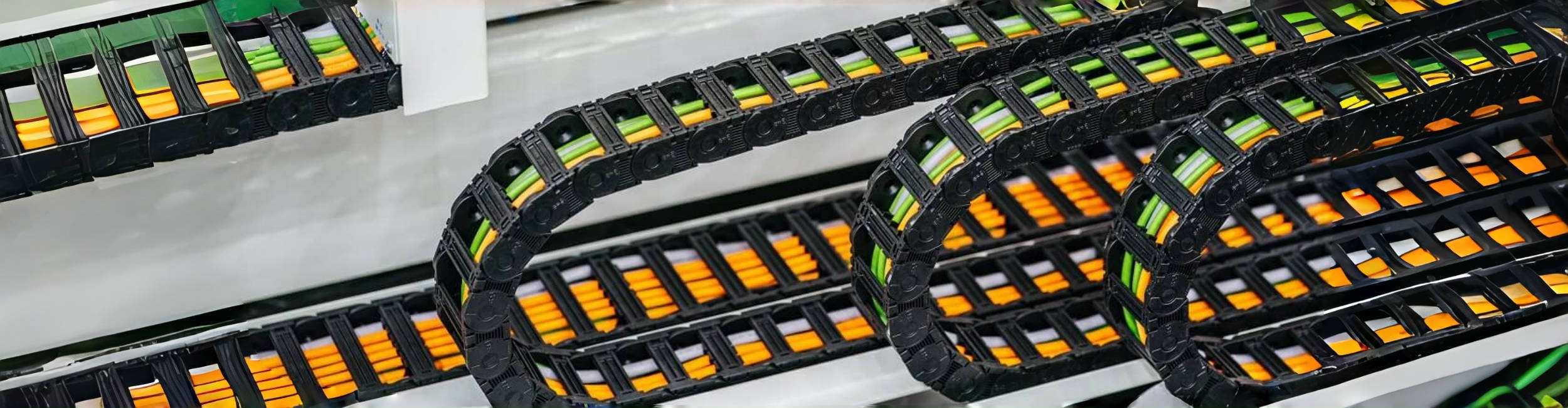
Cable drag chains, also known as energy chains or cable carriers, are crucial for protecting and guiding cables and hoses in various manufacturing processes. Their primary function is to facilitate the smooth movement of these components as machinery operates, minimizing wear and tear and preventing tangling or damage. This is especially important in environments where machinery undergoes repetiti
2025-12-30
One of the key considerations when selecting a cable drag chain is its design. The drag chain must be suitable for the specific application, considering factors such as the type of cables or hoses being used, the distance they need to travel, and the range of motion required. Different configurations, including open or closed designs, can make a significant impact on the efficiency and safety of the system. Additionally, material choice plays a crucial role in the durability and flexibility of the cable drag chain; materials like nylon or steel can offer varying degrees of resistance to environmental factors, such as temperature and chemicals.
The installation of cable drag chains can also influence the overall performance of manufacturing equipment. Properly installed drag chains help maintain organized cable management, which reduces the risk of electrical failures and improves maintenance efficiency. Easy access to cables and hoses facilitates quicker repairs, minimizing downtime and increasing productivity.
Beyond their protective function, cable drag chains contribute to the longevity of machinery. By keeping cables and hoses separated and securely in place, these chains prevent the friction and wear that can lead to costly damage over time. Furthermore, they help in maintaining the aesthetic integrity of the workspace by avoiding unsightly clutter caused by loose cables.
In addition to enhancing operational efficiency, the use of cable drag chains can lead to safer work environments. By reducing the likelihood of tripping hazards and ensuring that cables are less likely to be damaged, these systems help maintain compliance with safety regulations and best practices.
In summary, cable drag chains are indispensable in the manufacturing industry, providing protection, organization, and enhanced performance for machinery. Understanding their benefits and applications will help professionals make informed decisions when integrating these systems into their operations. Whether you're involved in CNC machining or other forms of mechanical processing, investing in high-quality cable drag chains can lead to improved efficiency and cost savings in the long run.
Related News

Maximizing Efficiency with Cable Drag Chains in Manufacturing
In the realm of manufacturing and machining, the need for organized, efficient, and safe cable management is paramount. This is where cable drag chains come into play. A cable drag chain is designed to house and protect cables, hoses, and other components, allowing for smooth, unhindered movement in machinery. With a variety of designs and configurations available, they cater to specific requireme
How to Troubleshoot Issues with Your Plastic Drag Chain Table of Contents Understanding Plastic Drag Chains Common Issues with Plastic Drag Chains Identifying the Symptoms of Drag Chain Failure Step-by-Step Troubleshooting Guide Preventative Maintenance Tips for Plastic Drag Chains When to Replace Your Drag Chain Best Practices for Installing Drag Chains Conclusion
Subscribe to
Get the latest information on company products


Contact
Add: 14-2,Liandong U Valley,Manufacturing Industrial Park,Tangxia Town,Pengjiang District,Jiangmen City Guangdong Province, China