Krius Intelligent Manufacturing (Jiangmen) Co., Ltd.

Unlocking Sustainability: The Environmental Benefits of Nylon Cable Drag Chains in Manufacturing
Unlocking Sustainability: The Environmental Benefits of Nylon Cable Drag Chains in Manufacturing Table of Contents Introduction to Nylon Cable Drag Chains What are Nylon Cable Drag Chains? Environmental Advantages of Nylon Cable Drag Chains Reduction in Waste Energy Efficiency Recyclability of Materials Cost-Effectiveness and L
2025-12-24
Unlocking Sustainability: The Environmental Benefits of Nylon Cable Drag Chains in Manufacturing
Table of Contents
- Introduction to Nylon Cable Drag Chains
- What are Nylon Cable Drag Chains?
- Environmental Advantages of Nylon Cable Drag Chains
- Cost-Effectiveness and Long-Term Savings
- Enhancing Operational Efficiency
- Case Studies: Successful Implementation
- The Future of Nylon Cable Drag Chains in Sustainable Manufacturing
- Conclusion
- FAQs
Introduction to Nylon Cable Drag Chains
In the rapidly evolving landscape of manufacturing, sustainability is no longer an optional consideration; it is a necessity. Among the innovations that contribute to a greener future is the **nylon cable drag chain**, a crucial component for managing cables and hoses in automated systems. This article delves into the **environmental benefits of using nylon cable drag chains**, showcasing their potential to drive efficiency, reduce waste, and promote sustainability in manufacturing processes.
What are Nylon Cable Drag Chains?
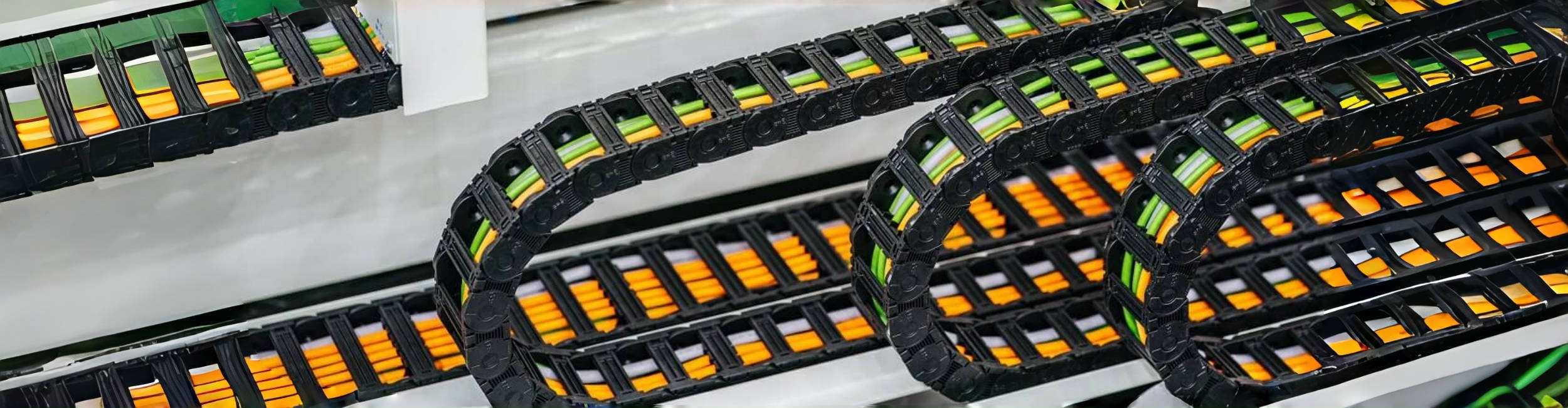
Nylon cable drag chains, also known as energy chains or cable carriers, are flexible conduits designed to house and protect cables and hoses in machinery. They are widely used in various applications, including CNC machines, robotic arms, and conveyor systems. Made from high-grade nylon, these drag chains offer excellent durability, high resistance to wear, and the ability to operate under varying conditions. Their design allows for smooth movement and protection from external elements, thus enhancing the longevity of the cables and hoses within.
Environmental Advantages of Nylon Cable Drag Chains
The integration of nylon cable drag chains into manufacturing processes offers several **environmental advantages** that contribute to a more sustainable approach to production.
Reduction in Waste
One of the primary environmental benefits of nylon cable drag chains is their ability to **reduce waste**. Traditional cable management systems often create significant amounts of scrap material and discarded cables due to wear and tear. The durable nature of nylon drag chains minimizes the risk of damage to cables, significantly reducing the frequency of replacements. This not only leads to less waste generation but also decreases the demand for new materials, contributing to a more sustainable production cycle.
Energy Efficiency
Energy consumption is a critical factor in manufacturing's environmental impact. Nylon cable drag chains enhance **energy efficiency** by ensuring that cables and hoses are organized and protected, reducing friction and wear during operation. This improved organization allows for smoother movement and less power consumption in machinery. By optimizing the performance of equipment, manufacturers can achieve significant energy savings, leading to a reduced carbon footprint.
Recyclability of Materials
Nylon, being a versatile thermoplastic, is highly **recyclable**. At the end of their lifecycle, nylon cable drag chains can be processed to recover materials, which can then be reused in manufacturing new products. This promotes a circular economy, where resources are not just consumed but are continually reused, significantly mitigating environmental impact. Manufacturers who adopt nylon drag chains contribute to the reduction of landfill waste and promote sustainable resource management.
Cost-Effectiveness and Long-Term Savings
While the initial investment in nylon cable drag chains may be higher than traditional systems, the long-term savings can be substantial. Reduced waste, lower energy consumption, and decreased maintenance costs translate into significant financial benefits over time. By investing in sustainable solutions, manufacturers can achieve **cost-effectiveness** while simultaneously enhancing their commitment to environmental responsibility.
Enhancing Operational Efficiency
Nylon cable drag chains not only provide environmental benefits but also enhance **operational efficiency**. Their design allows for quick installation, easy maintenance, and reliable performance in various manufacturing environments. By streamlining the management of cables and hoses, these drag chains enable machinery to operate at optimal performance levels, reducing downtime and improving productivity.
Case Studies: Successful Implementation
To illustrate the environmental benefits of nylon cable drag chains in manufacturing, we can explore several case studies where organizations have successfully implemented these systems.
Case Study 1: Automotive Manufacturing
In an automotive manufacturing plant, the integration of nylon cable drag chains led to a **30% reduction in energy costs**. The streamlined cable management system minimized friction, allowing machines to operate more efficiently. The company also reported a significant decrease in cable replacements, leading to less waste and a smaller environmental footprint.
Case Study 2: Robotics Industry
A leading robotics manufacturer adopted nylon cable drag chains to enhance the durability of their equipment. This resulted in a **40% reduction in maintenance expenses** due to fewer cable failures. Additionally, the company achieved their sustainability goals by recycling the drag chains at the end of their lifecycle, thereby promoting a circular economy.
The Future of Nylon Cable Drag Chains in Sustainable Manufacturing
As industries continue to prioritize sustainability, the demand for innovative solutions like nylon cable drag chains is expected to grow. With advancements in materials science, manufacturers are exploring new formulations of nylon that further enhance performance while reducing environmental impact. The future of manufacturing lies in adopting such technologies that align productivity with environmental stewardship.
Conclusion
The environmental benefits of using nylon cable drag chains in manufacturing are profound. From reducing waste and energy consumption to promoting recyclability, these drag chains offer a sustainable solution that meets the demands of modern manufacturing. As organizations strive to align their operations with sustainable practices, integrating nylon cable drag chains is an effective step towards achieving both operational efficiency and environmental responsibility.
FAQs
1. What are nylon cable drag chains made from?
Nylon cable drag chains are primarily made from high-grade nylon, which provides durability and resistance to wear and tear.
2. How do nylon cable drag chains reduce waste?
By protecting cables from damage and minimizing the need for replacements, nylon cable drag chains help reduce overall waste generated from manufacturing processes.
3. Can nylon cable drag chains contribute to energy savings?
Yes, their design enhances energy efficiency by reducing friction and wear in machinery, leading to lower power consumption.
4. Are nylon cable drag chains recyclable?
Absolutely! Nylon is a recyclable material, which allows manufacturers to process used drag chains and recover materials for reuse.
5. How can I implement nylon cable drag chains in my manufacturing process?
Consult with a supplier of nylon cable drag chains to assess your specific needs. They can provide guidance on installation, maintenance, and the best practices for integration into your existing systems.
PREVIOUS:
Related News

Maximizing Efficiency with Cable Drag Chains in Manufacturing
In the realm of manufacturing and machining, the need for organized, efficient, and safe cable management is paramount. This is where cable drag chains come into play. A cable drag chain is designed to house and protect cables, hoses, and other components, allowing for smooth, unhindered movement in machinery. With a variety of designs and configurations available, they cater to specific requireme
How to Troubleshoot Issues with Your Plastic Drag Chain Table of Contents Understanding Plastic Drag Chains Common Issues with Plastic Drag Chains Identifying the Symptoms of Drag Chain Failure Step-by-Step Troubleshooting Guide Preventative Maintenance Tips for Plastic Drag Chains When to Replace Your Drag Chain Best Practices for Installing Drag Chains Conclusion
Subscribe to
Get the latest information on company products


Contact
Add: 14-2,Liandong U Valley,Manufacturing Industrial Park,Tangxia Town,Pengjiang District,Jiangmen City Guangdong Province, China