Krius Intelligent Manufacturing (Jiangmen) Co., Ltd.

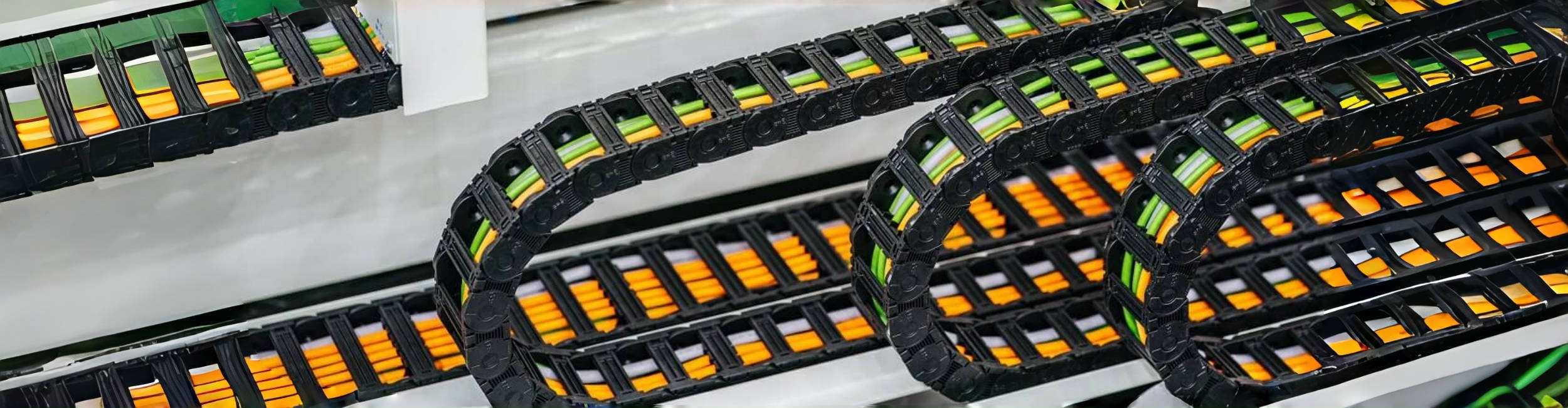
Case Studies: Successful Implementation of Cable Drag Chains in Manufacturing and Machine Tool Attachments
Case Studies: Successful Implementation of Cable Drag Chains in Manufacturing and Machine Tool Attachments Table of Contents 1. Introduction to Cable Drag Chains and Their Importance 2. Understanding Cable Drag Chains: Functionality and Benefits 3. Case Study 1: Enhancing Robotics with Cable Drag Chains 4. Case Study 2: Improving CNC Machining Efficiency 5. Case Study 3: Optimizing the
2025-12-22
Case Studies: Successful Implementation of Cable Drag Chains in Manufacturing and Machine Tool Attachments
Table of Contents
- 1. Introduction to Cable Drag Chains and Their Importance
- 2. Understanding Cable Drag Chains: Functionality and Benefits
- 3. Case Study 1: Enhancing Robotics with Cable Drag Chains
- 4. Case Study 2: Improving CNC Machining Efficiency
- 5. Case Study 3: Optimizing the Automotive Assembly Line
- 6. Case Study 4: Streamlining Packaging Machinery Operations
- 7. Benefits of Cable Drag Chains in Manufacturing
- 8. Challenges and Solutions in Implementing Cable Drag Chains
- 9. Conclusion
- 10. FAQs about Cable Drag Chains
1. Introduction to Cable Drag Chains and Their Importance
In the fast-paced world of manufacturing, efficiency and reliability are paramount. **Cable drag chains** serve as a critical component in various machinery, providing a means to manage flexible cables and hoses. This article examines several **case studies** that showcase the successful implementation of cable drag chains across different industries, illustrating their significant role in improving operational efficiency, reducing downtime, and enhancing equipment longevity.
2. Understanding Cable Drag Chains: Functionality and Benefits
Cable drag chains, often referred to as energy chains, are designed to protect and manage moving cables and hoses. They guide these elements and prevent wear and tear during operations. The primary benefits of using cable drag chains include:
2.1 Enhanced Cable Protection
Cable drag chains shield cables from mechanical damage, dirt, and other environmental factors that can lead to costly repairs and downtime.
2.2 Improved Movement and Flexibility
These chains facilitate smooth movement, allowing for greater flexibility in machinery design and function.
2.3 Reduced Maintenance Costs
By protecting cables and hoses, drag chains help lower maintenance costs, ultimately leading to significant savings over time.
3. Case Study 1: Enhancing Robotics with Cable Drag Chains
In a leading robotics manufacturing facility, the use of cable drag chains transformed the efficiency of robotic arms. The company faced challenges with traditional cable management systems, including frequent cable replacements and increased downtime. By switching to cable drag chains, they experienced a **30% reduction in maintenance** and improved operational reliability. The drag chains provided optimal protection and flexibility, allowing the robots to reach a wider range of motion without risking cable damage.
4. Case Study 2: Improving CNC Machining Efficiency
A CNC machining center struggled with cable management, leading to interruption in production cycles. The facility implemented cable drag chains to streamline the movement of cables and hoses connected to the machines. This change resulted in a **40% increase in productivity**, as the machines could operate without interruption. The cable drag chains allowed for a better organization of the workspace, significantly reducing the risk of entanglement and damage to the cables.
5. Case Study 3: Optimizing the Automotive Assembly Line
In an automotive assembly line, the need for precision and efficiency is critical. The introduction of cable drag chains reduced the risk of downtime caused by cable failures. By utilizing cable drag chains, the assembly line achieved a **20% faster throughput**, while also enhancing the safety of the working environment. The chains provided a reliable solution for managing complex cable systems that spanned multiple assembly stations.
6. Case Study 4: Streamlining Packaging Machinery Operations
A packaging machinery manufacturer faced challenges with cable management that affected the speed and quality of packaging processes. After implementing cable drag chains, the company observed a **significant reduction in cable wear** and an increase in overall efficiency. The drag chains allowed for improved machine movement and less downtime, which ultimately led to a higher output and better product quality.
7. Benefits of Cable Drag Chains in Manufacturing
The advantages of cable drag chains extend beyond just protection and flexibility. Key benefits include:
7.1 Increased Equipment Lifespan
By minimizing wear and tear, cable drag chains help extend the lifespan of machinery and reduce the frequency of replacements.
7.2 Enhanced Safety
These chains improve safety by organizing cables and hoses, minimizing tripping hazards and equipment failures that could lead to accidents.
7.3 Customization Options
Cable drag chains are available in various sizes and configurations, making them adaptable to a wide range of applications.
8. Challenges and Solutions in Implementing Cable Drag Chains
While the benefits of cable drag chains are clear, companies may encounter challenges during the implementation process. Some common issues include:
8.1 Installation Complexity
The initial setup of cable drag chains can be complex and may require specialized training. Collaborating with suppliers who provide installation support or training can mitigate this challenge.
8.2 Cost Considerations
The upfront cost of implementing cable drag chains can be significant. However, companies must consider long-term savings in maintenance and reduced downtime.
8.3 Compatibility with Existing Equipment
Ensuring that cable drag chains are compatible with existing machinery can pose a challenge. Early assessment and proper planning can help in selecting the right drag chains for specific applications.
9. Conclusion
The implementation of cable drag chains across various manufacturing sectors demonstrates their transformative impact on operational efficiency and reliability. Through the explored case studies, it is evident that these chains not only protect essential cables but also optimize equipment performance, leading to significant improvements in production rates and cost savings. As industries continue to evolve, the adoption of cable drag chains will likely become increasingly prevalent, making them a vital component of modern manufacturing.
10. FAQs about Cable Drag Chains
10.1 What are cable drag chains made of?
Cable drag chains are typically made from durable materials such as plastic, steel, or a combination of both, designed to withstand harsh operating conditions.
10.2 How do cable drag chains improve safety?
They enhance safety by keeping cables organized and protected, reducing trip hazards and minimizing the risk of equipment failure.
10.3 Can cable drag chains be customized for specific applications?
Yes, cable drag chains come in various sizes and configurations, allowing for customization to meet specific application requirements.
10.4 What industries benefit most from cable drag chains?
Industries such as robotics, automotive, packaging, and CNC machining significantly benefit from the implementation of cable drag chains.
10.5 How do I determine the right cable drag chain for my application?
Determining the right cable drag chain involves assessing the operational environment, cable types, and movement requirements. Consulting with a supplier can help in making the best choice.
By leveraging the insights from this article, organizations can make informed decisions about integrating cable drag chains into their manufacturing processes, ultimately contributing to enhanced productivity and efficiency.
Related News

Maximizing Efficiency with Cable Drag Chains in Manufacturing
In the realm of manufacturing and machining, the need for organized, efficient, and safe cable management is paramount. This is where cable drag chains come into play. A cable drag chain is designed to house and protect cables, hoses, and other components, allowing for smooth, unhindered movement in machinery. With a variety of designs and configurations available, they cater to specific requireme
How to Troubleshoot Issues with Your Plastic Drag Chain Table of Contents Understanding Plastic Drag Chains Common Issues with Plastic Drag Chains Identifying the Symptoms of Drag Chain Failure Step-by-Step Troubleshooting Guide Preventative Maintenance Tips for Plastic Drag Chains When to Replace Your Drag Chain Best Practices for Installing Drag Chains Conclusion
Subscribe to
Get the latest information on company products


Contact
Add: 14-2,Liandong U Valley,Manufacturing Industrial Park,Tangxia Town,Pengjiang District,Jiangmen City Guangdong Province, China