Krius Intelligent Manufacturing (Jiangmen) Co., Ltd.

The Evolution of Nylon Drag Chains in the Manufacturing Industry
The Evolution of Nylon Drag Chains in the Manufacturing Industry Table of Contents 1. Introduction to Nylon Drag Chains in Manufacturing 2. Understanding Nylon Drag Chains: What Are They? 3. Historical Development of Nylon Drag Chains 3.1 Early Beginnings and Material Innovations 3.2 The Shift from Metal to Nylon 4. Key Advantages of Nylon Drag Chains 4.1 Lightweight and Flexible Design 4.2 Resist
2025-12-16
The Evolution of Nylon Drag Chains in the Manufacturing Industry
Table of Contents
1. Introduction to Nylon Drag Chains in Manufacturing
2. Understanding Nylon Drag Chains: What Are They?
3. Historical Development of Nylon Drag Chains
3.1 Early Beginnings and Material Innovations
3.2 The Shift from Metal to Nylon
4. Key Advantages of Nylon Drag Chains
4.1 Lightweight and Flexible Design
4.2 Resistance to Chemicals and Wear
4.3 Noise Reduction and Aesthetic Appeal
5. Applications of Nylon Drag Chains in Various Industries
5.1 Automation and Robotics
5.2 CNC Machinery and Fabrication
5.3 Material Handling Systems
6. Future Trends in Nylon Drag Chain Technology
7. FAQs about Nylon Drag Chains
8. Conclusion: The Future of Nylon Drag Chains in Manufacturing
1. Introduction to Nylon Drag Chains in Manufacturing
The manufacturing industry is constantly evolving, driven by the need for efficiency, durability, and innovation. A critical component in this evolution is the **nylon drag chain**, which plays a pivotal role in the smooth operation of machinery. As industries demand more versatile and reliable components, nylon drag chains have emerged as a preferred solution, enhancing productivity while minimizing maintenance costs.
2. Understanding Nylon Drag Chains: What Are They?
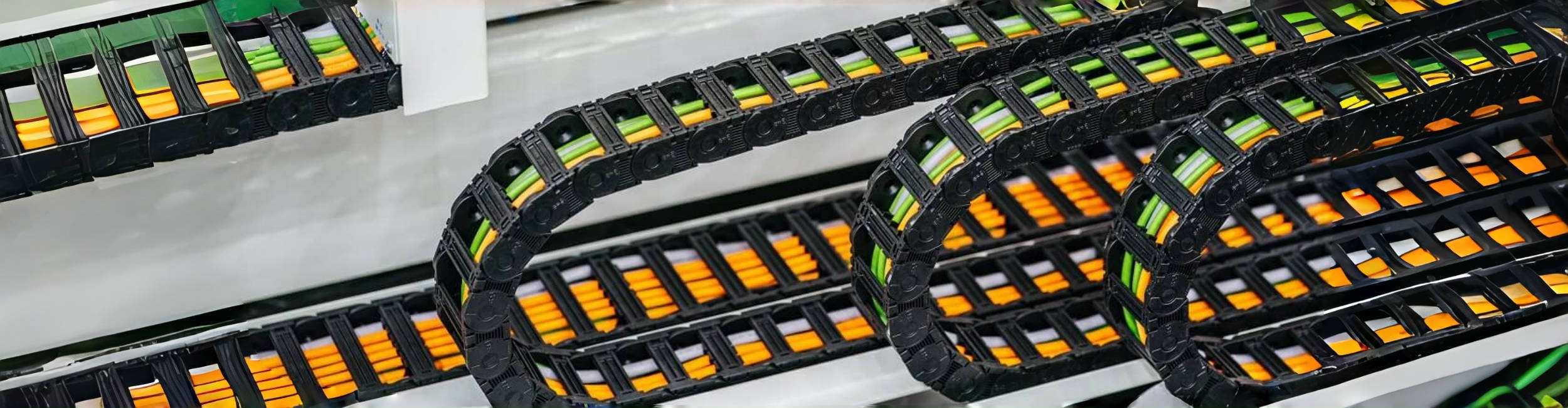
Nylon drag chains, also known as energy chains or cable carriers, are designed to protect and guide flexible cables, hoses, and pipes in various machinery applications. These chains allow for smooth, unrestricted movement of components while preventing wear and tear, ensuring that equipment operates efficiently over extended periods.
3. Historical Development of Nylon Drag Chains
3.1 Early Beginnings and Material Innovations
The concept of drag chains dates back several decades, initially utilizing **metal chains** for cable management. However, as the need for lightweight and corrosion-resistant materials grew, manufacturers sought alternatives that would provide enhanced performance and longevity. The introduction of nylon, a synthetic polymer, revolutionized the industry by offering unique properties such as flexibility, strength, and resistance to environmental factors.
3.2 The Shift from Metal to Nylon
By the late 20th century, the transition from metal to nylon became prominent as industries recognized the advantages of nylon drag chains. This shift aligned with the rise of automated machinery and robotics, where the need for lightweight components that could withstand continuous movement became essential. Today, nylon drag chains are a staple in modern manufacturing, from automotive production lines to electronics assembly.
4. Key Advantages of Nylon Drag Chains
4.1 Lightweight and Flexible Design
One of the most significant benefits of nylon drag chains is their lightweight nature. This characteristic reduces the overall weight of machinery, allowing for faster operation and reduced energy consumption. Additionally, the **flexibility** of nylon chains enables them to navigate tight spaces and intricate machinery layouts without compromising performance.
4.2 Resistance to Chemicals and Wear
Nylon is inherently resistant to various chemicals, oils, and solvents commonly encountered in manufacturing environments. This resistance contributes to the durability of nylon drag chains, ensuring they can withstand harsh conditions without deteriorating. Moreover, the **wear resistance** of nylon reduces the frequency of replacements, resulting in lower operational costs.
4.3 Noise Reduction and Aesthetic Appeal
Nylon drag chains operate more quietly than their metal counterparts, contributing to a more pleasant working environment. The material also offers a smoother appearance, which can enhance the overall aesthetic of machinery. This visual appeal is increasingly important in industries where equipment is on display or where image plays a role in branding.
5. Applications of Nylon Drag Chains in Various Industries
5.1 Automation and Robotics
In the realm of automation, nylon drag chains facilitate the seamless movement of cables and hoses, enabling robots to perform complex tasks efficiently. Their lightweight design and flexibility are essential for robotic arms and mobile platforms, where space limitations and weight considerations are paramount.
5.2 CNC Machinery and Fabrication
CNC (Computer Numerical Control) machines rely heavily on precise cable management to ensure accurate operations. Nylon drag chains provide the necessary support for power cables and data lines, allowing these machines to function optimally while minimizing downtime caused by cable wear or damage.
5.3 Material Handling Systems
In material handling applications, nylon drag chains support various systems, including conveyor belts and automated guided vehicles (AGVs). Their ability to manage multiple cables and hoses in a confined space enhances the efficiency of these systems, reducing the risk of tangling and improving overall reliability.
6. Future Trends in Nylon Drag Chain Technology
As manufacturing technology continues to advance, the future of nylon drag chains looks promising. Innovations in materials science may lead to even stronger and more resilient nylon formulations, further enhancing their performance. Additionally, the integration of smart technology and IoT capabilities into nylon drag chains could revolutionize their monitoring and maintenance, allowing for predictive analytics that can significantly reduce downtime and improve operational efficiency.
7. FAQs about Nylon Drag Chains
What materials are nylon drag chains made from?
Nylon drag chains are primarily made from a high-strength nylon polymer, which provides the necessary durability, flexibility, and resistance to environmental factors.
How do nylon drag chains improve machinery efficiency?
By providing a lightweight and flexible solution for cable management, nylon drag chains reduce wear and tear on cables and hoses, leading to less downtime and lower maintenance costs.
Are nylon drag chains suitable for outdoor use?
Yes, nylon drag chains can be used outdoors; however, it is essential to select formulations that are UV-resistant if they will be exposed to direct sunlight for extended periods.
How do I choose the right size of nylon drag chain for my application?
When selecting a nylon drag chain, consider the diameter of the cables or hoses being used, the maximum bend radius required, and the length of travel. It is also advisable to consult manufacturer specifications for guidance.
What maintenance is required for nylon drag chains?
While nylon drag chains are low-maintenance, periodic inspections for wear and damage are recommended. Keeping the chains clean and free from debris will also prolong their lifespan.
8. Conclusion: The Future of Nylon Drag Chains in Manufacturing
The evolution of nylon drag chains has significantly impacted the manufacturing industry, enabling advancements in automation, efficiency, and durability. As we look to the future, continued innovations in materials and technology promise to enhance the capabilities of nylon drag chains even further. By embracing these advancements, manufacturers can ensure their operations remain competitive and responsive to the ever-changing demands of the industry. The ongoing commitment to innovation in nylon drag chains solidifies their position as essential components in the machinery of tomorrow.
Related News

Maximizing Efficiency with Cable Drag Chains in Manufacturing
In the realm of manufacturing and machining, the need for organized, efficient, and safe cable management is paramount. This is where cable drag chains come into play. A cable drag chain is designed to house and protect cables, hoses, and other components, allowing for smooth, unhindered movement in machinery. With a variety of designs and configurations available, they cater to specific requireme
How to Troubleshoot Issues with Your Plastic Drag Chain Table of Contents Understanding Plastic Drag Chains Common Issues with Plastic Drag Chains Identifying the Symptoms of Drag Chain Failure Step-by-Step Troubleshooting Guide Preventative Maintenance Tips for Plastic Drag Chains When to Replace Your Drag Chain Best Practices for Installing Drag Chains Conclusion
Subscribe to
Get the latest information on company products


Contact
Add: 14-2,Liandong U Valley,Manufacturing Industrial Park,Tangxia Town,Pengjiang District,Jiangmen City Guangdong Province, China