Krius Intelligent Manufacturing (Jiangmen) Co., Ltd.

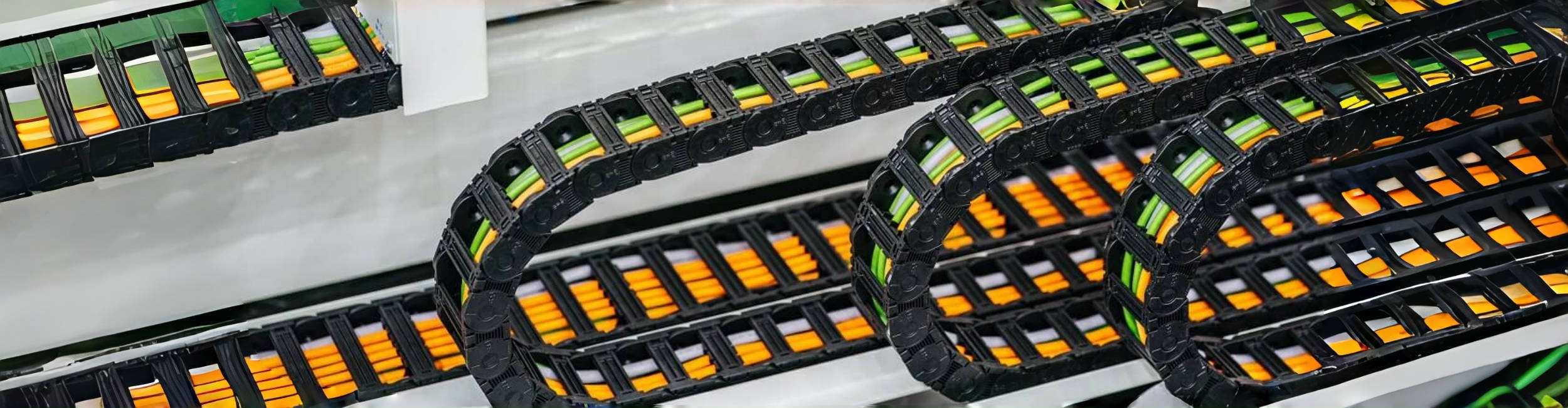
Assessing the Load Capacity of Nylon Cable Drag Chains for Your Projects: A Comprehensive Guide
Assessing the Load Capacity of Nylon Cable Drag Chains for Your Projects In the realm of manufacturing and mechanical engineering, understanding the load capacity of nylon cable drag chains is crucial for ensuring operational efficiency and safety. These flexible cable carriers play an integral role in various applications, from robotics to CNC machinery. This article will delve into the intricaci
2025-12-14
Assessing the Load Capacity of Nylon Cable Drag Chains for Your Projects
In the realm of manufacturing and mechanical engineering, understanding the load capacity of nylon cable drag chains is crucial for ensuring operational efficiency and safety. These flexible cable carriers play an integral role in various applications, from robotics to CNC machinery. This article will delve into the intricacies of assessing load capacity, exploring the critical factors that influence performance, and providing insights for optimal usage.
Table of Contents
1. Introduction to Nylon Cable Drag Chains
2. Importance of Load Capacity in Cable Drag Chains
3. Key Factors Influencing Load Capacity
3.1 Material Properties of Nylon
3.2 Chain Size and Configuration
3.3 Environmental Conditions
4. Calculating Load Capacity
4.1 Basic Calculations for Load Assessment
4.2 Advanced Load Calculation Methods
5. Best Practices for Selecting Nylon Cable Drag Chains
5.1 Matching Drag Chain to Application
5.2 Considering Manufacturer Specifications
6. Maintenance Tips for Optimal Performance
7. Common Applications of Nylon Cable Drag Chains
8. Frequently Asked Questions (FAQs)
9. Conclusion
1. Introduction to Nylon Cable Drag Chains
Nylon cable drag chains are engineered to support and manage the movement of cables and hoses in dynamic environments. These chains facilitate the safe and organized routing of electrical and pneumatic lines, minimizing wear and tear during operation. Their lightweight nature paired with durability makes them a popular choice in many industries. Understanding their load capacity is vital for selecting the right drag chain for specific applications.
2. Importance of Load Capacity in Cable Drag Chains
Load capacity refers to the maximum weight a drag chain can safely support without risk of failure. Choosing a drag chain with inadequate load capacity can lead to equipment failure, downtime, and potential safety hazards. Therefore, assessing load capacity helps ensure that the chosen drag chain meets the demands of the application, enhancing both productivity and safety.
3. Key Factors Influencing Load Capacity
Several factors play a significant role in determining the load capacity of nylon cable drag chains. Understanding these factors allows us to make informed decisions about drag chain selection.
3.1 Material Properties of Nylon
Nylon, as a polymer, exhibits properties such as high tensile strength, flexibility, and resistance to wear. The specific grade of nylon used in manufacturing the drag chain can significantly affect its load capacity. For instance, nylon 6 and nylon 66 offer different mechanical properties, influencing their performance under load.
3.2 Chain Size and Configuration
The physical dimensions of the drag chain, including the width, height, and link design, are critical in assessing load capacity. Generally, wider and taller chains can accommodate more weight. Additionally, the configuration of the chain—whether it is open or closed—can impact its strength and flexibility during operation.
3.3 Environmental Conditions
Environmental factors such as temperature, humidity, and exposure to chemicals can affect the performance of nylon cable drag chains. Extreme conditions may lead to material degradation, impacting load capacity. Users must consider these conditions when selecting appropriate drag chains for their projects.
4. Calculating Load Capacity
To ensure the selected drag chain meets the requirements of the application, accurate calculations of load capacity are essential.
4.1 Basic Calculations for Load Assessment
The simplest way to calculate load capacity is by consulting the manufacturer’s specifications, which often provide detailed information about maximum load limits. However, a basic calculation can be performed by using the following formula:
Load Capacity (N) = Tensile Strength (N/mm²) x Cross-sectional Area (mm²)
This formula allows us to estimate the load capacity based on the material properties and dimensions of the drag chain.
4.2 Advanced Load Calculation Methods
For more complex applications, advanced calculations involving dynamic loads may be necessary. Consider factors such as acceleration, speed, and the number of cycles the drag chain will undergo. Utilizing simulation software can also provide insights into load-bearing capabilities under various conditions.
5. Best Practices for Selecting Nylon Cable Drag Chains
Choosing the right nylon cable drag chain requires careful consideration of various factors to ensure optimal performance and safety.
5.1 Matching Drag Chain to Application
It is crucial to match the drag chain to its specific application. For instance, chains used in high-speed environments may require additional consideration for friction and thermal effects, while those in harsh environments may need higher resistance to chemicals and temperature variations.
5.2 Considering Manufacturer Specifications
Consulting manufacturer specifications is vital in understanding the limitations and capabilities of the selected drag chain. Pay attention to the listed load capacities, recommended usage, and any additional testing data provided.
6. Maintenance Tips for Optimal Performance
Regular maintenance is essential for ensuring the longevity and effectiveness of nylon cable drag chains. Here are some best practices:
- **Regular Inspections**: Conduct periodic inspections to identify signs of wear and tear.
- **Proper Lubrication**: Depending on the environment, apply appropriate lubricants to reduce friction.
- **Environment Management**: Minimize exposure to harsh chemicals and extreme temperatures when possible.
7. Common Applications of Nylon Cable Drag Chains
Nylon cable drag chains are employed across various industries, including:
- **Manufacturing**: Used in CNC machines and automated assembly lines.
- **Robotics**: Facilitate the movement of electrical and pneumatic hoses in robotic arms.
- **Automotive**: Manage cables in production lines and conveyors.
8. Frequently Asked Questions (FAQs)
What is the typical load capacity of nylon cable drag chains?
The load capacity can vary significantly based on size and material properties, typically ranging from a few kilograms to several tons.
How do I determine the right nylon cable drag chain for my project?
Consider factors such as load requirements, environmental conditions, and manufacturer specifications to select the appropriate chain.
Can nylon drag chains be used in high-temperature environments?
Nylon has temperature limitations, so for high-temperature applications, consider using high-performance materials or specialized chains.
What maintenance is required for nylon cable drag chains?
Regular inspections, proper lubrication, and environmental management are key maintenance practices.
Are there alternatives to nylon cable drag chains?
Yes, alternatives include steel or plastic chains, each with unique properties suited for different applications.
9. Conclusion
Assessing the load capacity of nylon cable drag chains is a critical aspect of project planning and execution. By understanding the factors that influence load capacity, proper calculations, and best practices for selection and maintenance, we can ensure that our projects run smoothly and safely. Choosing the right drag chain not only enhances performance but also minimizes risks associated with equipment failure. By following the guidelines outlined in this article, we can make informed decisions that support the success of our operations.
Related News

Maximizing Efficiency with Cable Drag Chains in Manufacturing
In the realm of manufacturing and machining, the need for organized, efficient, and safe cable management is paramount. This is where cable drag chains come into play. A cable drag chain is designed to house and protect cables, hoses, and other components, allowing for smooth, unhindered movement in machinery. With a variety of designs and configurations available, they cater to specific requireme
How to Troubleshoot Issues with Your Plastic Drag Chain Table of Contents Understanding Plastic Drag Chains Common Issues with Plastic Drag Chains Identifying the Symptoms of Drag Chain Failure Step-by-Step Troubleshooting Guide Preventative Maintenance Tips for Plastic Drag Chains When to Replace Your Drag Chain Best Practices for Installing Drag Chains Conclusion
Subscribe to
Get the latest information on company products


Contact
Add: 14-2,Liandong U Valley,Manufacturing Industrial Park,Tangxia Town,Pengjiang District,Jiangmen City Guangdong Province, China