Krius Intelligent Manufacturing (Jiangmen) Co., Ltd.

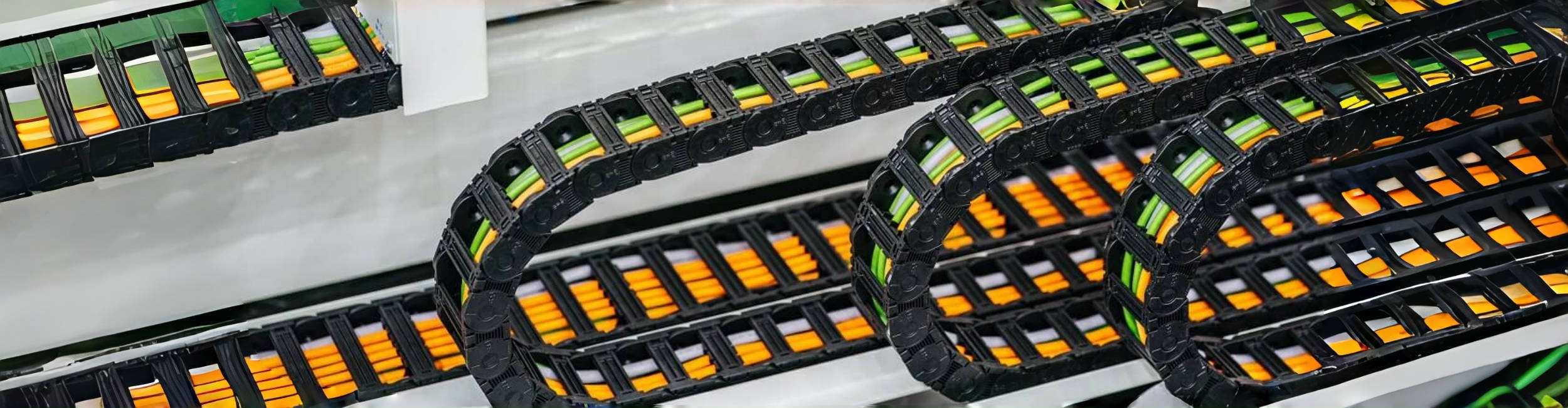
Why Nylon Cable Drag Chains Are Preferred in High-Speed Applications
Why Nylon Cable Drag Chains Are Preferred in High-Speed Applications Table of Contents 1. Introduction to Nylon Cable Drag Chains 2. Understanding Drag Chains: A Brief Overview 3. The Benefits of Nylon Cable Drag Chains 4. High-Speed Applications and Their Unique Demands 5. Design and Construction of Nylon Cable Drag Chains 6. Durability and Reliability in High-Speed Setti
2025-12-04
Why Nylon Cable Drag Chains Are Preferred in High-Speed Applications
Table of Contents
- 1. Introduction to Nylon Cable Drag Chains
- 2. Understanding Drag Chains: A Brief Overview
- 3. The Benefits of Nylon Cable Drag Chains
- 4. High-Speed Applications and Their Unique Demands
- 5. Design and Construction of Nylon Cable Drag Chains
- 6. Durability and Reliability in High-Speed Settings
- 7. Comparison with Other Materials
- 8. Maintenance and Care for Optimal Performance
- 9. Frequently Asked Questions
- 10. Conclusion
1. Introduction to Nylon Cable Drag Chains
Nylon cable drag chains are quickly gaining popularity in various high-speed applications due to their unique characteristics and advantages over traditional materials. As industries continue to evolve, the need for efficient, reliable, and flexible solutions has become paramount. In this article, we will delve deep into why nylon cable drag chains are preferred in high-speed applications, exploring their benefits, design, and the specific needs they fulfill in fast-paced environments.
2. Understanding Drag Chains: A Brief Overview
Drag chains, also known as energy chains or cable carriers, are essential components in machinery that protect and manage moving cables and hoses. They guide and support these elements, preventing tangles and wear while allowing for smooth movement during operation. Drag chains are critical in applications where movement is continuous, such as robotics, CNC machines, and conveyor systems.
These chains are designed to accommodate various types of cables and hoses, making them incredibly versatile. They come in various materials, but nylon stands out due to its impressive properties suited for high-speed applications.
3. The Benefits of Nylon Cable Drag Chains
Nylon cable drag chains offer numerous benefits that make them the preferred choice in high-speed operations:
3.1 Lightweight and Flexible
The lightweight nature of nylon makes it easier for machinery to operate without unnecessary strain. This flexibility allows for greater adaptability in tight spaces, ensuring that cables and hoses are well-managed without hindering machine performance.
3.2 High Strength-to-Weight Ratio
Nylon boasts a remarkable strength-to-weight ratio, meaning it can withstand significant stress and strain while remaining lightweight. This characteristic is crucial for high-speed applications where speed and efficiency are essential.
3.3 Temperature Resistance
Nylon cable drag chains can operate effectively in a wide range of temperatures. They maintain their integrity under extreme conditions, making them suitable for environments where high-speed movement generates heat.
3.4 Chemical Resistance
Another significant advantage of nylon is its inherent resistance to various chemicals. In industries like manufacturing and robotics, where exposure to oils, lubricants, and other substances is common, nylon drag chains ensure longevity and reliability.
3.5 Low Friction Properties
Nylon's low friction characteristics reduce wear and tear on both the drag chain and the cables it houses. This property is particularly beneficial in high-speed applications, where friction can lead to overheating and premature failure.
4. High-Speed Applications and Their Unique Demands
High-speed applications present unique challenges that require specific solutions. The need for reliability, efficiency, and safety is heightened in environments where machinery operates at rapid speeds. Let’s explore some of these applications:
4.1 Robotics and Automation
In the fields of robotics and automation, machines must operate seamlessly and quickly to maintain productivity. Nylon cable drag chains provide the flexibility and durability needed for robotic arms and automated machinery to function without interruption.
4.2 CNC Machining
CNC machines demand high precision and speed. Nylon drag chains effectively manage the cables that power these machines, ensuring that they can operate at their full potential without the risk of cable damage or disorganization.
4.3 Conveyor Systems
In conveyor systems, the need for constant movement is crucial. Nylon cable drag chains facilitate smooth transitions for cables and hoses, allowing for efficient operation and minimal downtime.
5. Design and Construction of Nylon Cable Drag Chains
Understanding the design and construction of nylon cable drag chains further illustrates their advantages in high-speed applications. Key factors include:
5.1 Modular Design
Many nylon drag chains feature a modular design, allowing for customization based on specific application requirements. This adaptability means users can configure drag chains to suit a wide range of machinery and operational needs.
5.2 Interior Structure
The interior structure of nylon drag chains is engineered to minimize friction and enhance cable management. With dedicated spaces for various cable types, users can achieve optimal organization and prevent wear and tear.
5.3 Reinforcements
Some nylon drag chains are reinforced with additional materials to further enhance their durability. This construction makes them suitable for extreme environments and high-stress applications.
6. Durability and Reliability in High-Speed Settings
In high-speed applications, durability and reliability are non-negotiable. Nylon cable drag chains are crafted to withstand rigorous demands, contributing to their long-lasting performance.
6.1 Impact Resistance
Nylon drag chains exhibit excellent impact resistance, which is crucial in environments where sudden movements may occur. This characteristic helps prevent system failures that could lead to costly downtime.
6.2 Long Service Life
The design and material properties of nylon drag chains contribute to their extended service life. Users can expect reduced replacement frequency, which translates to lower operational costs.
7. Comparison with Other Materials
While nylon is the preferred choice for many applications, it’s essential to understand how it compares with other materials commonly used for drag chains:
7.1 Steel Drag Chains
Steel drag chains are heavier and often less flexible than nylon counterparts. Although steel offers strength, it lacks the lightweight and low-friction benefits that nylon provides, making it less suitable for high-speed applications.
7.2 Other Plastic Drag Chains
While other plastics may also be used, nylon stands out due to its superior strength, temperature resistance, and chemical durability. No other plastic material combines these traits as effectively as nylon.
8. Maintenance and Care for Optimal Performance
To ensure optimal performance of nylon cable drag chains, regular maintenance and care are essential:
8.1 Routine Inspections
Conducting routine inspections helps identify wear and tear early on. This proactive approach enables users to address potential issues before they escalate into costly repairs.
8.2 Keeping It Clean
Maintaining cleanliness is vital. Dirt and debris can accumulate inside the drag chains, potentially compromising performance and leading to failures.
8.3 Proper Lubrication
Although nylon drag chains are designed to operate with low friction, applying appropriate lubricants can enhance performance further and extend their service life.
9. Frequently Asked Questions
9.1 What are nylon cable drag chains made of?
Nylon cable drag chains are primarily made from durable nylon material, which provides flexibility, strength, and resistance to wear.
9.2 How do I know which drag chain to choose for my application?
Consider the specific requirements of your application, such as cable type, movement speed, and environmental conditions when selecting a drag chain.
9.3 Can nylon cable drag chains be used outdoors?
Yes, nylon cable drag chains can be used outdoors, but it's essential to consider UV exposure and temperature variations that may affect their longevity.
9.4 How often should I perform maintenance on drag chains?
Routine inspections should be conducted periodically, while cleaning and lubrication may be needed based on usage frequency and environmental conditions.
9.5 Are nylon drag chains resistant to chemicals?
Yes, nylon drag chains exhibit excellent resistance to many common chemicals, making them suitable for various industrial applications.
10. Conclusion
Nylon cable drag chains are the ideal solution for high-speed applications due to their lightweight, durability, and flexibility. Their unique properties meet the stringent demands of industries like robotics, CNC machining, and conveyor systems. With a comprehensive understanding of their advantages, design, and maintenance, users can significantly enhance the efficiency and reliability of their operations. The superior performance that nylon drag chains offer ensures they remain a preferred choice for businesses aiming to optimize their high-speed machinery. By investing in quality nylon drag chains, companies can reduce downtime, lower operational costs, and maintain a competitive edge in their respective markets.
Related News

Maximizing Efficiency with Cable Drag Chains in Manufacturing
In the realm of manufacturing and machining, the need for organized, efficient, and safe cable management is paramount. This is where cable drag chains come into play. A cable drag chain is designed to house and protect cables, hoses, and other components, allowing for smooth, unhindered movement in machinery. With a variety of designs and configurations available, they cater to specific requireme
How to Troubleshoot Issues with Your Plastic Drag Chain Table of Contents Understanding Plastic Drag Chains Common Issues with Plastic Drag Chains Identifying the Symptoms of Drag Chain Failure Step-by-Step Troubleshooting Guide Preventative Maintenance Tips for Plastic Drag Chains When to Replace Your Drag Chain Best Practices for Installing Drag Chains Conclusion
Subscribe to
Get the latest information on company products


Contact
Add: 14-2,Liandong U Valley,Manufacturing Industrial Park,Tangxia Town,Pengjiang District,Jiangmen City Guangdong Province, China