Krius Intelligent Manufacturing (Jiangmen) Co., Ltd.

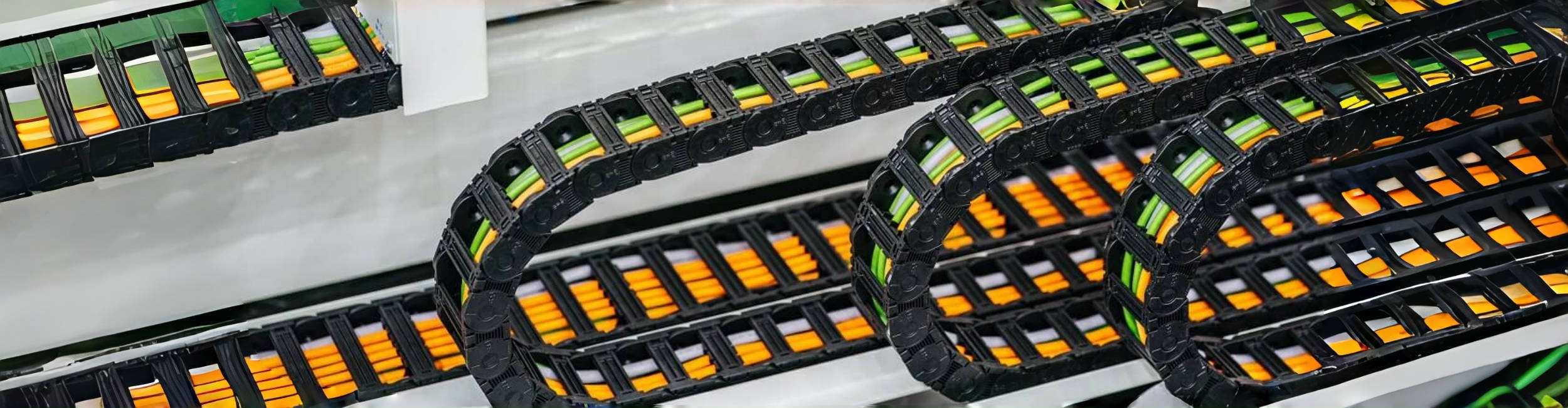
Cable Drag Chains: Essential Components for Robotics Efficiency and Durability
Cable Drag Chains: Essential Components for Robotics Efficiency and Durability Table of Contents 1. Introduction to Cable Drag Chains 2. What Are Cable Drag Chains? 3. Importance of Cable Drag Chains in Robotics 4. Design and Structure of Cable Drag Chains 5. Materials Used in Cable Drag Chains 6. Applications of Cable Drag Chains in Robotics 7. Advantages of Using Cab
2025-12-02
Cable Drag Chains: Essential Components for Robotics Efficiency and Durability
Table of Contents
- 1. Introduction to Cable Drag Chains
- 2. What Are Cable Drag Chains?
- 3. Importance of Cable Drag Chains in Robotics
- 4. Design and Structure of Cable Drag Chains
- 5. Materials Used in Cable Drag Chains
- 6. Applications of Cable Drag Chains in Robotics
- 7. Advantages of Using Cable Drag Chains
- 8. Maintenance and Care for Cable Drag Chains
- 9. Frequently Asked Questions
- 10. Conclusion
1. Introduction to Cable Drag Chains
Cable drag chains, often referred to as energy chains or cable carriers, play a crucial role in modern robotics applications. These components efficiently manage the movement of cables, hoses, and other flexible conduits, allowing for smooth operation in dynamic environments. This article will explore the intricacies of cable drag chains, their design, materials, applications, and maintenance, showcasing their importance in the robotics industry.
2. What Are Cable Drag Chains?
Cable drag chains are mechanical systems designed to guide and protect flexible cables and hoses as they move with robotic arms or machinery. Comprising interconnected links, these chains form a conduit that maintains the organization and integrity of the cables, preventing wear and tear due to friction and movement. The design allows for flexibility and freedom of motion, ensuring that the cables remain untangled and functional throughout the operation.
How Cable Drag Chains Work
Cable drag chains operate by encapsulating the cables and hoses within a protective carrier. As the robotic component moves, the drag chain follows, bending and flexing to accommodate the range of motion. This mechanism is essential in environments where space is limited, and components must operate in close quarters.
3. Importance of Cable Drag Chains in Robotics
The significance of cable drag chains in robotics cannot be overstated. They provide a systematic approach to cable management, which is vital in complex robotic systems. By maintaining a tidy arrangement of cables, drag chains contribute to improved safety, enhanced efficiency, and prolonged equipment lifespan.
Enhancing Operational Efficiency
In robotics, operational efficiency hinges on the seamless movement of components. Cable drag chains facilitate this by eliminating tangling and damage to wires, allowing robots to function smoothly without interruptions. This efficiency translates to higher productivity levels and better overall performance.
Protecting Cables and Hoses
Cables and hoses are susceptible to wear and tear from repeated movement and friction. Cable drag chains offer a protective barrier, shielding these components from external hazards. This protection is crucial in high-speed applications where even minor wear can lead to failures.
4. Design and Structure of Cable Drag Chains
The design of cable drag chains is tailored to accommodate specific applications and operational requirements. Key elements of their structure include the following:
Link Configuration
The links of a drag chain can be configured in various ways, including open and closed designs. Open designs allow for easy access to cables, while closed designs offer additional protection.
Dimensions and Size Options
Cable drag chains come in various sizes, accommodating different cable diameters and lengths. Proper sizing is crucial to ensure optimal performance and prevent unnecessary strain on the cables.
Customizable Features
Many manufacturers offer customizable drag chains to meet specific application needs. Features such as varying link shapes, colors, and materials can be tailored to suit individual requirements.
5. Materials Used in Cable Drag Chains
The materials used in cable drag chains significantly impact their performance and durability. Common materials include:
Plastic
Plastic is a popular choice due to its lightweight nature and resistance to corrosion. It is ideal for applications where weight savings are essential.
Metal
Metal drag chains, typically made from steel or aluminum, offer enhanced strength and durability. They are suitable for heavy-duty applications where robustness is required.
Hybrid Materials
Some drag chains utilize hybrid materials, combining the benefits of both plastic and metal to achieve a balance between weight and strength.
6. Applications of Cable Drag Chains in Robotics
Cable drag chains find application in various robotic systems and industries, including:
Industrial Robotics
In manufacturing environments, robotic arms equipped with cable drag chains can operate efficiently while managing power and signal cables.
Medical Robotics
In healthcare, robotic systems that assist in surgeries and patient care utilize drag chains to maintain cable organization and reduce the risk of entanglement.
Automotive Robotics
Automotive assembly lines employ robotic systems that rely on cable drag chains to manage wiring and pneumatic hoses, ensuring smooth operations.
7. Advantages of Using Cable Drag Chains
Utilizing cable drag chains offers several advantages that enhance the operational capabilities of robotic systems:
Reduced Downtime
By preventing cable damage and ensuring smooth movement, drag chains contribute to reduced downtime and maintenance costs.
Improved Safety
Organized cables reduce the risk of tripping hazards and electrical failures, creating a safer working environment for operators.
Longevity of Cables and Hoses
With proper protection from external factors, cables and hoses experience less wear, leading to longer service life and reduced replacement frequency.
8. Maintenance and Care for Cable Drag Chains
Ensuring the longevity and functionality of cable drag chains requires regular maintenance. Key practices include:
Regular Inspections
Routine inspections help identify wear and tear, allowing for timely replacements before failures occur.
Cleaning
Keeping the drag chains clean from debris and contaminants prevents unnecessary friction and wear.
Lubrication
Applying appropriate lubricants to moving parts can enhance performance and extend the lifespan of the drag chains.
9. Frequently Asked Questions
What are the common sizes of cable drag chains?
Cable drag chains come in various sizes, typically ranging from a few millimeters to several centimeters in width, depending on the application.
How do I determine the right drag chain for my application?
Consider factors such as cable size, environment, and movement range when selecting a drag chain. Consulting with a manufacturer can help ensure the right choice.
Can cable drag chains be used in outdoor applications?
Yes, certain drag chains are designed to withstand outdoor conditions, featuring UV resistance and weatherproof materials.
How do cable drag chains improve safety in robotics?
By organizing cables and reducing the risk of entanglement, drag chains minimize tripping hazards and electrical failures in robotic systems.
What is the lifespan of a cable drag chain?
The lifespan of cable drag chains varies based on usage, environment, and maintenance practices, but they can last several years with proper care.
10. Conclusion
Cable drag chains are indispensable components in the world of robotics, enhancing efficiency, safety, and longevity. Their ability to manage and protect cables is critical in various applications, from industrial robotics to medical devices. By understanding the design, materials, and maintenance of cable drag chains, manufacturers and operators can optimize their robotic systems for superior performance. Investing in high-quality cable drag chains is a strategic decision that pays off through increased reliability and reduced operational costs.
Related News

Maximizing Efficiency with Cable Drag Chains in Manufacturing
In the realm of manufacturing and machining, the need for organized, efficient, and safe cable management is paramount. This is where cable drag chains come into play. A cable drag chain is designed to house and protect cables, hoses, and other components, allowing for smooth, unhindered movement in machinery. With a variety of designs and configurations available, they cater to specific requireme
How to Troubleshoot Issues with Your Plastic Drag Chain Table of Contents Understanding Plastic Drag Chains Common Issues with Plastic Drag Chains Identifying the Symptoms of Drag Chain Failure Step-by-Step Troubleshooting Guide Preventative Maintenance Tips for Plastic Drag Chains When to Replace Your Drag Chain Best Practices for Installing Drag Chains Conclusion
Subscribe to
Get the latest information on company products


Contact
Add: 14-2,Liandong U Valley,Manufacturing Industrial Park,Tangxia Town,Pengjiang District,Jiangmen City Guangdong Province, China