Krius Intelligent Manufacturing (Jiangmen) Co., Ltd.

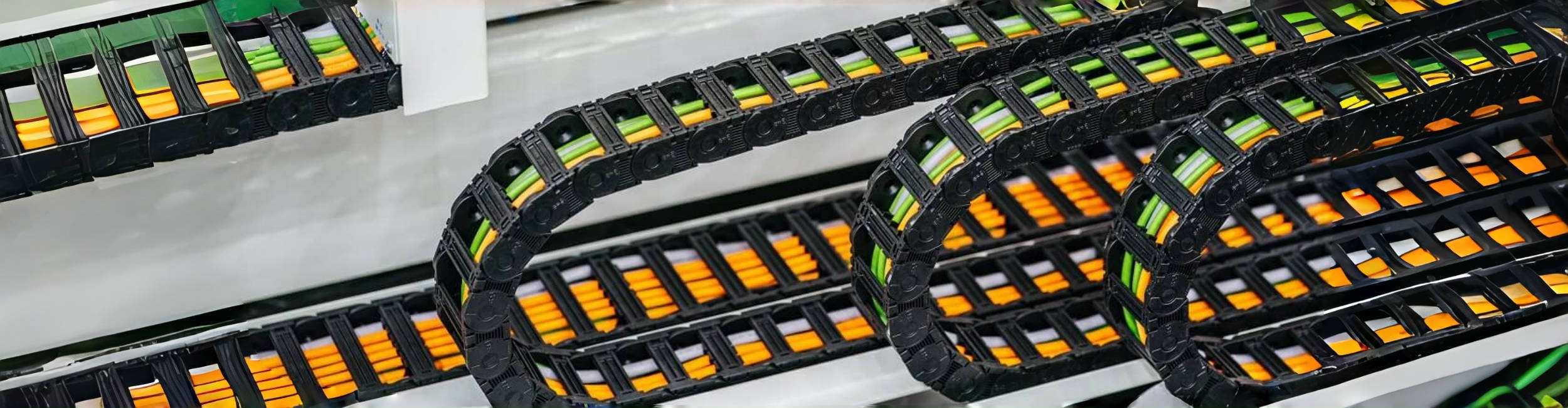
Exploring the Compatibility of Plastic Drag Chains with Different Machinery
Exploring the Compatibility of Plastic Drag Chains with Different Machinery Introduction to Plastic Drag Chains Plastic drag chains are integral components in various industrial applications. They serve as a protective conduit for cables and hoses, guiding them safely and efficiently along moving parts of machinery. Understanding their compatibility with different machines is crucial for optimizin
2025-11-08
Exploring the Compatibility of Plastic Drag Chains with Different Machinery
Introduction to Plastic Drag Chains
Plastic drag chains are integral components in various industrial applications. They serve as a protective conduit for cables and hoses, guiding them safely and efficiently along moving parts of machinery. Understanding their compatibility with different machines is crucial for optimizing performance and ensuring longevity.
What Are Plastic Drag Chains?
Plastic drag chains, commonly referred to as energy chains, are designed to manage and organize cables, hoses, and other flexible components. They are often used in applications where movement is repetitive, such as CNC machines, robotic arms, and conveyor systems. Their robust construction helps them withstand wear and tear while maintaining flexibility.
Features of Plastic Drag Chains
Several characteristics make plastic drag chains a favorable choice in manufacturing:
1. **Durability**: Made from high-quality plastics, these chains resist abrasion, chemicals, and temperature fluctuations.
2. **Lightweight**: The reduced weight of plastic drag chains compared to metal alternatives allows for easier installation and reduced stress on machinery.
3. **Flexibility**: They can bend and twist without compromising their structural integrity, making them ideal for dynamic applications.
4. **Customization**: Available in various sizes and shapes, plastic drag chains can be tailored to fit specific machinery requirements.
Applications of Plastic Drag Chains in Machinery
Plastic drag chains find applications across multiple industries. Their versatility makes them suitable for:
CNC Machines
CNC (Computer Numerical Control) machines often involve complex movements. Plastic drag chains protect the cables and hoses from damage, ensuring that the machine operates smoothly and efficiently.
Robotics
In robotic arms, drag chains manage power and signal cables, allowing for unrestricted movement while keeping the workspace organized. This enhances the longevity of the cables and reduces maintenance needs.
Conveyor Systems
Conveyor systems frequently utilize plastic drag chains to manage the electrical and pneumatic lines that power the system. By providing a clear path for these components, drag chains help prevent tangling and damage.
Machine Tools
Machine tools rely on precision and efficiency. Drag chains ensure that the various hoses and cables remain organized, thereby reducing the risk of wear that could affect machine performance.
Compatibility Considerations for Plastic Drag Chains
When integrating plastic drag chains into different machinery, several factors should be considered to ensure compatibility:
Size and Dimensions
The size of the drag chain must correspond to the dimensions of the cables and hoses it will carry. Choosing the right size ensures that components fit securely without excessive movement or tension.
Operating Environment
The environment in which the machinery operates plays a significant role in drag chain selection. Factors such as temperature, humidity, and exposure to chemicals can affect the material properties of the plastic. Selecting a drag chain designed for specific environmental conditions is crucial for longevity.
Weight Capacity
Understanding the weight of the cables and hoses is essential. Each drag chain has a maximum weight capacity that it can safely manage without compromising performance.
Flexibility and Movement Range
Different machinery has varying degrees of movement. Assessing the range of motion is important to ensure that the plastic drag chain can handle the required bending and twisting without breaking.
Installation and Maintenance
Installation procedures may vary based on the design of the machinery and the drag chain. It’s essential to follow manufacturer guidelines for installation to ensure optimal performance. Regular maintenance checks can prevent unexpected failures.
Advantages of Using Plastic Drag Chains
Employing plastic drag chains in manufacturing processes offers numerous advantages:
Cost-Effectiveness
Plastic drag chains are often more affordable than metal alternatives. Their reduced weight also translates to lower shipping costs and easier handling during installation.
Reduced Downtime
By protecting cables and hoses, drag chains help minimize wear and tear, ultimately reducing the frequency of replacements and repairs. This leads to less downtime during production.
Improved Safety
Organizing cables and hoses helps prevent tripping hazards and equipment malfunctions, contributing to a safer working environment.
Choosing the Right Plastic Drag Chain for Your Machinery
Selecting the appropriate plastic drag chain involves assessing the specific requirements of your machinery. Here are some tips:
Assess Your Needs
Start by identifying the type of cables or hoses you need to protect, their weight, and their flexibility requirements.
Consult with Manufacturers
Consulting manufacturers can provide insights into the best drag chain options for your machinery. They can offer guidance based on your operational environment and specific needs.
Prototype Testing
Before making a bulk purchase, consider testing a few drag chains in your operational setting. This can help identify any potential issues before full implementation.
Common FAQs About Plastic Drag Chains
1. What materials are plastic drag chains made from?
Plastic drag chains are typically made from engineering plastics such as nylon or polypropylene, which provide durability and flexibility.
2. Can plastic drag chains be used outdoors?
Yes, but it’s essential to choose drag chains rated for outdoor use, as UV exposure can degrade certain plastics over time.
3. How do I determine the right size drag chain for my application?
Measure the dimensions of the cables and hoses to be used, and consult the manufacturer’s sizing charts for guidance.
4. Are plastic drag chains easy to install?
Yes, most plastic drag chains come with straightforward installation instructions, making them user-friendly for operators.
5. How often should I inspect plastic drag chains?
Regular inspections are recommended, ideally every few months, to check for signs of wear and tear and to ensure proper functioning.
Conclusion
Understanding the compatibility of plastic drag chains with various machinery can greatly enhance operational efficiency and safety in manufacturing environments. By considering factors such as size, weight capacity, and environmental conditions, businesses can select the right drag chains to meet their unique needs. Implementing these components can lead to reduced downtime, improved safety, and cost savings, ultimately contributing to a more streamlined production process. As technology evolves, staying informed about the latest advancements in drag chain design will help manufacturers make educated decisions, ensuring their machinery remains at peak performance.
Related News

Maximizing Efficiency with Cable Drag Chains in Manufacturing
In the realm of manufacturing and machining, the need for organized, efficient, and safe cable management is paramount. This is where cable drag chains come into play. A cable drag chain is designed to house and protect cables, hoses, and other components, allowing for smooth, unhindered movement in machinery. With a variety of designs and configurations available, they cater to specific requireme
How to Troubleshoot Issues with Your Plastic Drag Chain Table of Contents Understanding Plastic Drag Chains Common Issues with Plastic Drag Chains Identifying the Symptoms of Drag Chain Failure Step-by-Step Troubleshooting Guide Preventative Maintenance Tips for Plastic Drag Chains When to Replace Your Drag Chain Best Practices for Installing Drag Chains Conclusion
Subscribe to
Get the latest information on company products


Contact
Add: 14-2,Liandong U Valley,Manufacturing Industrial Park,Tangxia Town,Pengjiang District,Jiangmen City Guangdong Province, China