Krius Intelligent Manufacturing (Jiangmen) Co., Ltd.

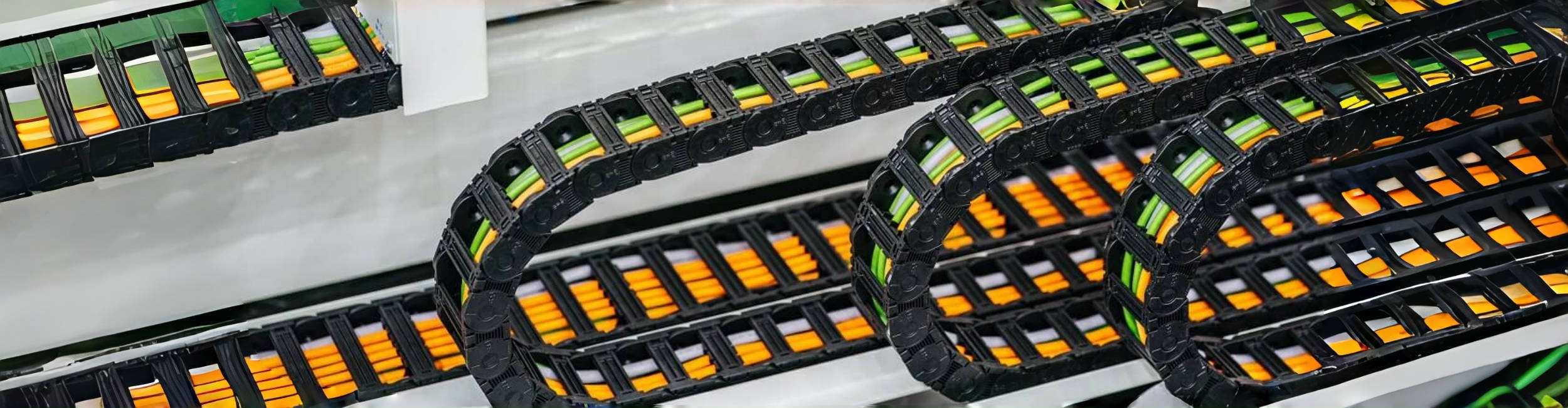
Enhancing Safety in Machine Operations with Proper Cable Drag Chains
Enhancing Safety in Machine Operations with Proper Cable Drag Chains Table of Contents Introduction: The Importance of Safety in Machine Operations What Are Cable Drag Chains? Types of Cable Drag Chains Benefits of Using Cable Drag Chains in Machine Operations Installation Tips for Cable Drag Chains Maintenance Strategies for Optimal Performance Common Issues with Cabl
2025-11-02
Enhancing Safety in Machine Operations with Proper Cable Drag Chains
Table of Contents
- Introduction: The Importance of Safety in Machine Operations
- What Are Cable Drag Chains?
- Types of Cable Drag Chains
- Benefits of Using Cable Drag Chains in Machine Operations
- Installation Tips for Cable Drag Chains
- Maintenance Strategies for Optimal Performance
- Common Issues with Cable Drag Chains and Their Solutions
- Conclusion
- Frequently Asked Questions
Introduction: The Importance of Safety in Machine Operations
In the world of manufacturing, safety is paramount. The efficiency of operations and the well-being of employees are closely linked to the systems put in place to manage moving parts and electrical components. One critical element in ensuring a safe working environment is the use of **cable drag chains**. These components serve as protective conduits for cables and hoses, preventing damage and reducing the risk of accidents in machine operations.
This article will delve into the various aspects of cable drag chains, how they enhance safety, and why they should be a vital consideration in any manufacturing setup.
What Are Cable Drag Chains?
Cable drag chains, also known as energy chains or cable carriers, are systems designed to guide and protect flexible cables and hoses in machinery. These components are crucial in automated systems where movement occurs frequently. They allow for a smooth and organized routing of cables, minimizing wear and tear while maintaining a clean workspace.
**Functionality**: Cable drag chains consist of interconnected links that hold cables and hoses securely in place. They move alongside the machine's moving parts, providing a safe path for cables to follow without tangling or pinching. Properly installed and maintained drag chains can significantly enhance the lifespan of cables and ensure reliable operation.
Types of Cable Drag Chains
Understanding the types of cable drag chains available is essential for selecting the right one for your machinery. Here are some common types:
1. Standard Cable Drag Chains
These are the most frequently used type, suitable for general applications. They feature a simple design, making them easy to install and maintain.
2. Low-Profile Cable Drag Chains
Ideal for applications with limited space, low-profile drag chains are designed to minimize height while still providing cable protection.
3. Heavy-Duty Cable Drag Chains
These chains are built to withstand extreme conditions and are typically used in heavy machinery where durability is critical.
4. Open Cable Drag Chains
Open designs allow for easy access to cables, making installation and maintenance more manageable. They are particularly useful in applications requiring frequent cable changes.
5. Customized Cable Drag Chains
Manufacturers often offer customizable options to meet specific requirements, such as size, material, and configuration.
Benefits of Using Cable Drag Chains in Machine Operations
Investing in cable drag chains brings numerous advantages to manufacturing operations. Here are some key benefits:
1. Enhanced Safety
By keeping cables organized and protected, cable drag chains help prevent tripping hazards and accidental disconnections, significantly enhancing workplace safety.
2. Improved Equipment Longevity
Cable drag chains reduce wear and tear on cables and hoses, leading to lower replacement costs and increased equipment lifespan.
3. Increased Efficiency
With properly managed cables, machinery operates more smoothly, leading to improved production efficiency and reduced downtime.
4. Protection Against Environmental Factors
Cable drag chains can shield cables from dust, debris, and harsh chemicals, which is especially important in industrial environments.
5. Easy Maintenance
Regular maintenance of cable drag chains can be performed quickly, allowing for minimal disruption to operations and ensuring optimal performance.
Installation Tips for Cable Drag Chains
Proper installation is crucial for the effective functioning of cable drag chains. Here are some essential tips:
1. Assess Your Needs
Evaluate the specific requirements of your machinery and determine the appropriate size, type, and material for the drag chain.
2. Plan the Layout
Design a layout that allows for the smooth operation of the drag chain without interference from other components. Ensure adequate space for movement and flexibility.
3. Follow Manufacturer Guidelines
Adhere to the manufacturer’s installation instructions to ensure optimal performance and safety.
4. Secure All Connections
Make sure all cables and hoses are securely attached within the drag chain to prevent them from getting dislodged during operation.
5. Test the Installation
After installation, conduct tests to ensure that the drag chain operates smoothly and that there are no restrictions or potential hazards.
Maintenance Strategies for Optimal Performance
To ensure that cable drag chains continue to function effectively, regular maintenance is essential. Here are some strategies:
1. Regular Inspections
Conduct routine inspections to identify any signs of wear or damage. Look for frayed cables, cracks in the drag chain, or any obstructions.
2. Lubrication
Apply appropriate lubrication to the moving parts of the drag chain to minimize friction and wear.
3. Clean the System
Keep the drag chain and surrounding areas clean to prevent dust and debris from affecting performance.
4. Replace Damaged Components
Address any identified issues immediately. Replace damaged cables or sections of the drag chain to maintain safety and efficiency.
5. Document Maintenance Activities
Keep records of inspections and maintenance activities to track the performance and condition of the drag chains over time.
Common Issues with Cable Drag Chains and Their Solutions
Despite their many benefits, cable drag chains can encounter issues. Here are some common problems and their solutions:
1. Cable Wear and Tear
**Issue:** Cables may fray or break due to excessive movement.
**Solution:** Ensure cables are correctly sized and have appropriate flexibility for the drag chain’s movement range.
2. Chain Misalignment
**Issue:** Misalignment can cause dragging and wear.
**Solution:** Regularly check the alignment during maintenance and adjust as necessary.
3. Noise and Vibration
**Issue:** Excessive noise may indicate a problem with the drag chain.
**Solution:** Inspect for any loose components or lubrication needs; adjust tension if necessary.
4. Chain Cracking or Breakage
**Issue:** Cracks can develop due to stress or improper installation.
**Solution:** Replace any damaged links immediately and assess installation practices.
5. Obstruction of Movement
**Issue:** Debris or other components may block the movement of the drag chain.
**Solution:** Keep the area clean and clear of obstructions to allow free movement.
Conclusion
Incorporating proper cable drag chains into machine operations is essential for promoting safety, efficiency, and equipment longevity. By understanding their types, benefits, installation, and maintenance, manufacturing businesses can significantly reduce risks and enhance productivity. Investing time and resources into the right cable drag chains not only safeguards the equipment but also protects the workforce, creating a safer and more productive environment.
Frequently Asked Questions
1. What are cable drag chains used for?
Cable drag chains are used to protect and guide flexible cables and hoses in machinery, preventing damage and ensuring smooth operation.
2. How do I choose the right cable drag chain for my equipment?
Consider the type of machinery, the working environment, and the specific requirements for space and cable management when selecting a cable drag chain.
3. How often should I inspect my cable drag chains?
Regular inspections should be conducted at least once a month or more frequently in high-use environments to ensure they remain in good condition.
4. Can I install cable drag chains myself?
Yes, with the right tools and knowledge, cable drag chains can be installed by trained personnel. Follow the manufacturer's guidelines for the best results.
5. What should I do if I notice damage to a cable drag chain?
If you identify any damage, stop using the machinery immediately, assess the extent of the damage, and replace any affected components before resuming operation.
Related News

Maximizing Efficiency with Cable Drag Chains in Manufacturing
In the realm of manufacturing and machining, the need for organized, efficient, and safe cable management is paramount. This is where cable drag chains come into play. A cable drag chain is designed to house and protect cables, hoses, and other components, allowing for smooth, unhindered movement in machinery. With a variety of designs and configurations available, they cater to specific requireme
How to Troubleshoot Issues with Your Plastic Drag Chain Table of Contents Understanding Plastic Drag Chains Common Issues with Plastic Drag Chains Identifying the Symptoms of Drag Chain Failure Step-by-Step Troubleshooting Guide Preventative Maintenance Tips for Plastic Drag Chains When to Replace Your Drag Chain Best Practices for Installing Drag Chains Conclusion
Subscribe to
Get the latest information on company products


Contact
Add: 14-2,Liandong U Valley,Manufacturing Industrial Park,Tangxia Town,Pengjiang District,Jiangmen City Guangdong Province, China