Krius Intelligent Manufacturing (Jiangmen) Co., Ltd.

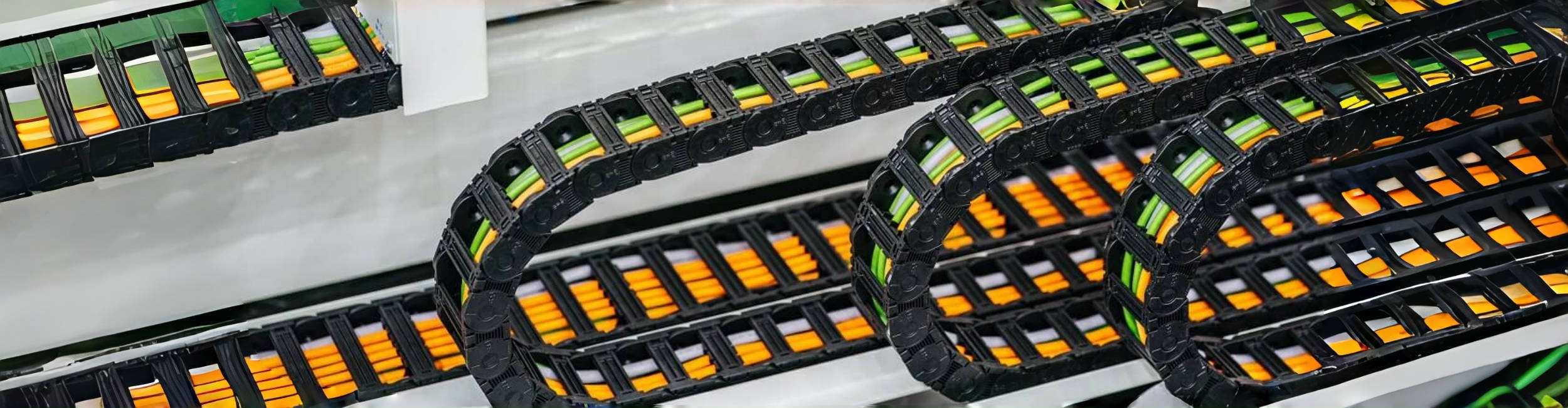
Why Plastic Drag Chains Are Essential for Automated Guided Vehicles: A Comprehensive Analysis
Why Plastic Drag Chains Are Essential for Automated Guided Vehicles Introduction to Automated Guided Vehicles (AGVs) Automated Guided Vehicles (AGVs) have revolutionized the manufacturing and logistics sectors by streamlining operations and increasing productivity. These driverless vehicles rely on complex systems to navigate, transport materials, and perform tasks within various environments. As
2025-10-29
Why Plastic Drag Chains Are Essential for Automated Guided Vehicles
Introduction to Automated Guided Vehicles (AGVs)
Automated Guided Vehicles (AGVs) have revolutionized the manufacturing and logistics sectors by streamlining operations and increasing productivity. These driverless vehicles rely on complex systems to navigate, transport materials, and perform tasks within various environments. As the usage of AGVs increases, so does the need for reliable components that ensure their smooth operation. One such essential component is the **plastic drag chain**.
The Purpose of Plastic Drag Chains in AGVs
Plastic drag chains, also known as cable carriers, are designed to manage and protect cables, hoses, and other flexible connections in machinery. In the context of AGVs, they serve several critical functions:
1. Cable Management
AGVs often operate in dynamic environments, which means their electrical and data cables must be securely managed. Plastic drag chains offer a robust solution, preventing tangling or damage to the cables that could disrupt the vehicle’s operations.
2. Protection from Environmental Factors
AGVs may encounter various environmental factors such as dust, moisture, and temperature fluctuations. Plastic drag chains protect sensitive cables and hoses from these elements, ensuring consistent performance and reducing maintenance costs.
3. Enhancing Mobility and Flexibility
The design of plastic drag chains allows for smooth movement, accommodating the bending and twisting motions of AGVs. This flexibility is vital for maintaining efficient operation, especially in tight spaces and complex pathways.
The Advantages of Using Plastic Drag Chains
When it comes to selecting components for AGVs, plastic drag chains stand out due to several advantages:
1. Lightweight and Durable
Made from high-quality plastic materials, these drag chains are lightweight yet incredibly strong. This combination reduces the overall weight of AGVs, enhancing their speed and efficiency without compromising durability.
2. Cost-Effective Solution
Plastic drag chains are often more economical compared to alternatives made from metal. Their lower cost does not compromise their effectiveness, making them a preferred choice for manufacturers looking to optimize budgets.
3. Low Maintenance Requirements
One of the significant benefits of plastic drag chains is their minimal maintenance needs. They are resistant to wear and tear, which means reduced downtime for AGVs and fewer resources spent on repairs.
Applications of Plastic Drag Chains in AGVs
Plastic drag chains find applications across various industries where AGVs are utilized. Here are some notable examples:
1. Warehousing and Distribution Centers
In busy warehouses, AGVs transport goods between different storage locations. Plastic drag chains ensure that the power and control cables remain intact, minimizing disruptions in operations.
2. Manufacturing Facilities
AGVs in manufacturing plants often carry parts and materials to assembly lines. The use of plastic drag chains helps maintain the integrity of the cables in a fast-paced environment, ensuring that production remains uninterrupted.
3. Food and Beverage Industry
In environments where hygiene is paramount, plastic drag chains made from food-grade materials can be employed in AGVs to transport products. Their resistance to moisture and easy cleaning capabilities make them ideal for this sector.
Technical Specifications of Plastic Drag Chains
Understanding the technical aspects of plastic drag chains is essential for their effective implementation in AGVs.
1. Material Composition
Plastic drag chains are typically made from materials such as **nylon**, **polypropylene**, or **polyethylene**. Each material offers unique properties, such as resistance to chemicals or temperature, making it crucial to select the right type based on the environment in which the AGV will operate.
2. Chain Design and Size
Plastic drag chains come in various designs and sizes to accommodate different requirements. Factors such as the number of cables, their diameters, and the range of motion must be considered when choosing the appropriate drag chain.
3. Load Capacity
Understanding the load capacity of plastic drag chains is vital for safe operation. The chain must be able to support the weight of the cables and hoses while allowing for seamless movement during AGV operations.
Installing Plastic Drag Chains in AGVs
The installation of plastic drag chains is a critical step in ensuring the longevity and functionality of AGVs.
1. Preparation and Planning
Before installation, it is essential to map out the AGV’s route and identify potential points of strain on the cables. This planning phase ensures that the drag chain is positioned for optimal performance.
2. Step-by-Step Installation Process
A systematic installation process includes:
- **Mounting the drag chain** securely to the AGV frame.
- **Routing the cables** within the chain, ensuring they are not pinched or excessively bent.
- **Testing the movement** of the AGV to confirm that the drag chain functions correctly without hindrance.
Maintaining Plastic Drag Chains
To maximize the lifespan and efficiency of plastic drag chains, regular maintenance is essential.
1. Routine Inspections
Conduct regular inspections of the drag chains for signs of wear and tear. Look for cracks, abrasions, or any signs that the cables are not functioning optimally.
2. Cleaning and Lubrication
Keeping the drag chains clean from dust and debris will help maintain their functionality. Depending on the environment, a light lubrication may also be necessary to ensure smooth operation.
Future Trends in Plastic Drag Chains for AGVs
As technology advances, the design and functionality of plastic drag chains are expected to evolve.
1. Smart Drag Chains
The integration of sensors into plastic drag chains could provide real-time data on the condition of cables and the wear of the chain itself, allowing for predictive maintenance and enhanced operational efficiency.
2. Sustainable Materials
With a growing emphasis on sustainability, the development of biodegradable or recyclable materials for plastic drag chains may become more prevalent, aligning with industry trends towards eco-friendliness.
Conclusion
Plastic drag chains are indispensable for the effective operation of Automated Guided Vehicles. Their ability to manage cables, protect against environmental factors, and enhance mobility makes them a critical component in various industries. As the demand for AGVs continues to rise, the evolution and improvement of plastic drag chains will play a pivotal role in the future of automated logistics and manufacturing. By investing in high-quality plastic drag chains, companies can ensure that their AGVs operate effectively, efficiently, and safely, leading to improved productivity and cost savings.
FAQs
1. What are the main benefits of using plastic drag chains in AGVs?
Plastic drag chains offer cable management, protection from environmental factors, and enhanced mobility, which are essential for AGV operations.
2. How do I choose the right plastic drag chain for my AGV?
Consider factors like the load capacity, material composition, and the specific environmental conditions where the AGV will operate.
3. Are plastic drag chains maintenance-free?
While they require minimal maintenance, routine inspections and cleaning are recommended to ensure optimal performance.
4. Can plastic drag chains be used in harsh environments?
Yes, plastic drag chains can be designed to withstand harsh environmental conditions, including exposure to moisture and chemicals.
5. What is the future of plastic drag chains in AGV technology?
Future trends may include smart drag chains equipped with sensors for real-time data monitoring and the use of sustainable materials.
Related News

Maximizing Efficiency with Cable Drag Chains in Manufacturing
In the realm of manufacturing and machining, the need for organized, efficient, and safe cable management is paramount. This is where cable drag chains come into play. A cable drag chain is designed to house and protect cables, hoses, and other components, allowing for smooth, unhindered movement in machinery. With a variety of designs and configurations available, they cater to specific requireme
How to Troubleshoot Issues with Your Plastic Drag Chain Table of Contents Understanding Plastic Drag Chains Common Issues with Plastic Drag Chains Identifying the Symptoms of Drag Chain Failure Step-by-Step Troubleshooting Guide Preventative Maintenance Tips for Plastic Drag Chains When to Replace Your Drag Chain Best Practices for Installing Drag Chains Conclusion
Subscribe to
Get the latest information on company products


Contact
Add: 14-2,Liandong U Valley,Manufacturing Industrial Park,Tangxia Town,Pengjiang District,Jiangmen City Guangdong Province, China