Krius Intelligent Manufacturing (Jiangmen) Co., Ltd.

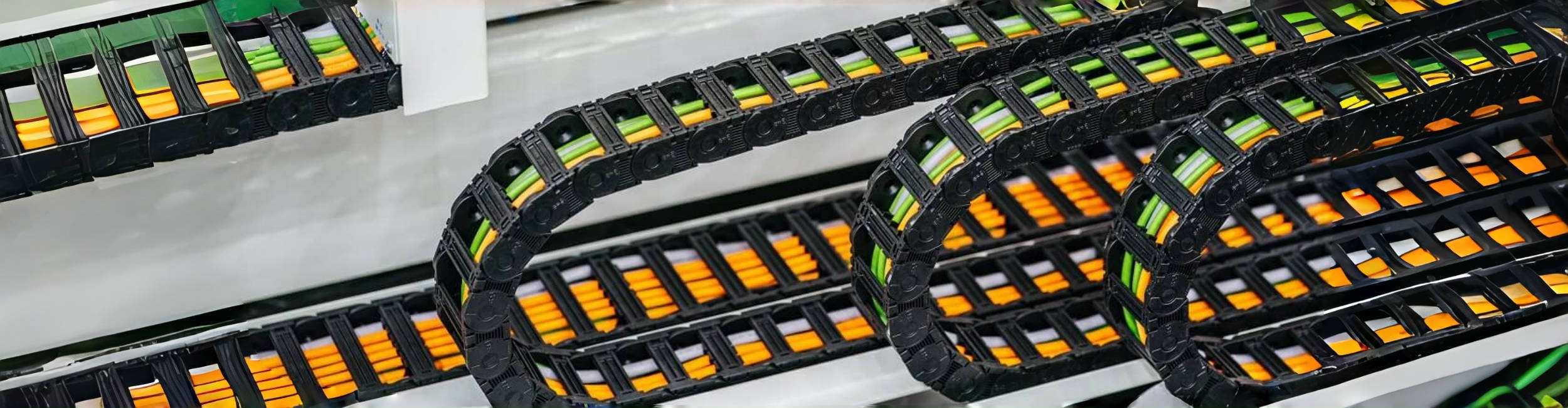
Enhancing Safety in Manufacturing with Plastic Cable Drag Chains
Enhancing Safety in Manufacturing with Plastic Cable Drag Chains Manufacturing processes are among the most dynamic environments where efficiency and safety are paramount. As industries evolve, the integration of advanced solutions becomes necessary to mitigate risks and enhance operational integrity. One such innovation is the use of **plastic cable drag chains**. In this article, we will explore
2025-10-21
Enhancing Safety in Manufacturing with Plastic Cable Drag Chains
Manufacturing processes are among the most dynamic environments where efficiency and safety are paramount. As industries evolve, the integration of advanced solutions becomes necessary to mitigate risks and enhance operational integrity. One such innovation is the use of **plastic cable drag chains**. In this article, we will explore how these systems not only improve productivity but also significantly enhance safety in the manufacturing sector.
Understanding Plastic Cable Drag Chains
Plastic cable drag chains, often referred to as cable carriers, are flexible conduits designed to protect and manage cables and hoses in automated machinery. They provide a structured pathway for cables to move freely without tangling or causing disruption to the manufacturing process.
How Plastic Cable Drag Chains Work
These drag chains consist of interconnected links that allow for smooth movement. As machinery operates, the chains guide cables along a predetermined path, reducing wear and tear caused by friction or misalignment. This functionality is critical in high-speed environments where equipment operates under heavy loads.
Key Components of Plastic Cable Drag Chains
1. **Links**: The individual segments that connect to form the chain.
2. **Base**: The foundation on which the cables rest, ensuring stability.
3. **Cover**: Protects cables from external elements and physical damage.
4. **End Connectors**: Secure the drag chain to machinery, providing the necessary support and alignment.
Benefits of Using Plastic Cable Drag Chains in Manufacturing
The implementation of plastic cable drag chains presents numerous advantages that significantly enhance safety and operational efficiency in manufacturing.
1. Improved Cable Management
One of the most critical aspects of safety in manufacturing is effective cable management. Cable drag chains organize cables, preventing tangles and entanglements that could lead to accidents. By keeping cables neatly contained, the risk of tripping hazards is significantly reduced.
2. Enhanced Protection Against Wear and Tear
Manufacturing environments expose cables to various stress factors such as abrasion, moisture, and chemicals. Plastic cable drag chains provide a protective layer that guards against these elements, prolonging the lifespan of cables and minimizing the chances of electrical failures that could lead to accidents.
3. Increased Flexibility and Mobility
In modern manufacturing, machinery often needs to move or adapt to changing workflows. Plastic cable drag chains are designed for flexibility, allowing cables to move smoothly even in dynamic environments. This adaptability reduces the risk of damage from bending or twisting, enhancing overall safety.
4. Easy Installation and Maintenance
Installing plastic cable drag chains is straightforward, making them an ideal choice for manufacturing facilities looking to upgrade safety without extensive downtime. Moreover, they require minimal maintenance, further contributing to a safer and more efficient workplace.
Applications of Plastic Cable Drag Chains in Manufacturing
Plastic cable drag chains are used in various manufacturing sectors, each benefiting from their unique properties.
1. CNC Machining
In CNC machining, precision is critical. Plastic cable drag chains protect delicate cables from damage while allowing for the precise movement required in high-speed machining processes.
2. Robotics
Robotic systems often involve intricate movements. Using plastic cable drag chains ensures that cables remain organized and secure, reducing the risk of interference during operation.
3. Conveyor Systems
In conveyor systems, cable drag chains help manage power and control cables, maintaining operational flow while ensuring safety and reliability.
4. Textile Manufacturing
The textile industry relies heavily on machinery that operates continuously. By utilizing plastic cable drag chains, manufacturers can protect cables from the wear and tear associated with heavy machinery, ensuring uninterrupted production.
Choosing the Right Plastic Cable Drag Chain
Selecting the appropriate plastic cable drag chain for your manufacturing process involves considering several factors. Here are some tips to help guide your decision:
1. Load Capacity
Evaluate the load capacity required for your specific application. Different chains are designed to handle various weights and stress levels, so it’s essential to match the chain to your machinery's requirements.
2. Environment
Consider the environmental factors that may impact the performance of the cable drag chain. For instance, if your facility is exposed to extreme temperatures or corrosive materials, opt for chains made from materials that can withstand these conditions.
3. Length and Size
Measure the length required for your application and ensure that the drag chain selected can accommodate the necessary cable lengths while providing ample movement space.
4. Additional Features
Look for additional features such as internal separators for multi-cable applications, as these can further enhance organization and safety.
Implementing Safety Protocols with Plastic Cable Drag Chains
To maximize the benefits of plastic cable drag chains, it is crucial to integrate them into your safety protocols effectively.
1. Regular Inspections
Conduct routine inspections of cable drag chains to identify any signs of wear or damage. Early detection ensures that issues can be addressed before they pose a safety risk.
2. Training Employees
Educate employees on the importance of cable management and how to maintain drag chains properly. Knowledgeable staff can help prevent accidents and ensure that safety measures are followed.
3. Compliance with Safety Standards
Ensure that your use of plastic cable drag chains complies with local safety regulations and industry standards. Adhering to these guidelines not only enhances safety but also protects your organization from potential liabilities.
Future Trends in Cable Drag Chain Technology
The manufacturing industry is continuously evolving, and so is the technology behind plastic cable drag chains. Emerging trends include:
1. Smart Technology Integration
As manufacturing moves towards automation and smart technology, the integration of sensors in cable drag chains is becoming more common. These sensors can monitor the condition of cables, alerting operators to potential issues before they escalate into safety concerns.
2. Increased Customization
Manufacturers are increasingly seeking customized solutions that cater to specific operational needs. This trend is leading to developments in drag chain designs that offer tailored configurations for optimal performance.
3. Eco-Friendly Materials
With a growing emphasis on sustainability, manufacturers are exploring the use of eco-friendly materials in the production of plastic cable drag chains. This shift not only supports environmental efforts but also meets the rising demand for greener manufacturing practices.
Frequently Asked Questions (FAQs)
1. What are plastic cable drag chains used for?
Plastic cable drag chains are used to manage and protect cables and hoses in automated machinery, ensuring safe and efficient operation.
2. How do plastic cable drag chains enhance safety?
They organize cables, reduce the risk of tangling, protect against wear and tear, and provide a flexible solution that minimizes hazards in manufacturing environments.
3. Can plastic cable drag chains be used in harsh environments?
Yes, specialized drag chains are designed to withstand extreme temperatures, chemicals, and other harsh conditions.
4. How do I maintain plastic cable drag chains?
Regular inspections and cleaning are essential. Look for signs of wear and replace any damaged components promptly.
5. What factors should I consider when choosing a cable drag chain?
Consider load capacity, environmental conditions, length and size requirements, and any additional features needed for your application.
Conclusion
In conclusion, the integration of **plastic cable drag chains** in manufacturing processes serves not only to enhance operational efficiency but also to significantly improve safety. By providing effective cable management, reducing wear and tear, and accommodating the dynamic needs of modern machinery, these innovative solutions are vital in fostering a safer work environment. As the manufacturing landscape continues to evolve, embracing the benefits of plastic cable drag chains will be crucial for companies aiming to achieve superior safety standards and operational excellence.
Related News

Maximizing Efficiency with Cable Drag Chains in Manufacturing
In the realm of manufacturing and machining, the need for organized, efficient, and safe cable management is paramount. This is where cable drag chains come into play. A cable drag chain is designed to house and protect cables, hoses, and other components, allowing for smooth, unhindered movement in machinery. With a variety of designs and configurations available, they cater to specific requireme
How to Troubleshoot Issues with Your Plastic Drag Chain Table of Contents Understanding Plastic Drag Chains Common Issues with Plastic Drag Chains Identifying the Symptoms of Drag Chain Failure Step-by-Step Troubleshooting Guide Preventative Maintenance Tips for Plastic Drag Chains When to Replace Your Drag Chain Best Practices for Installing Drag Chains Conclusion
Subscribe to
Get the latest information on company products


Contact
Add: 14-2,Liandong U Valley,Manufacturing Industrial Park,Tangxia Town,Pengjiang District,Jiangmen City Guangdong Province, China