Krius Intelligent Manufacturing (Jiangmen) Co., Ltd.

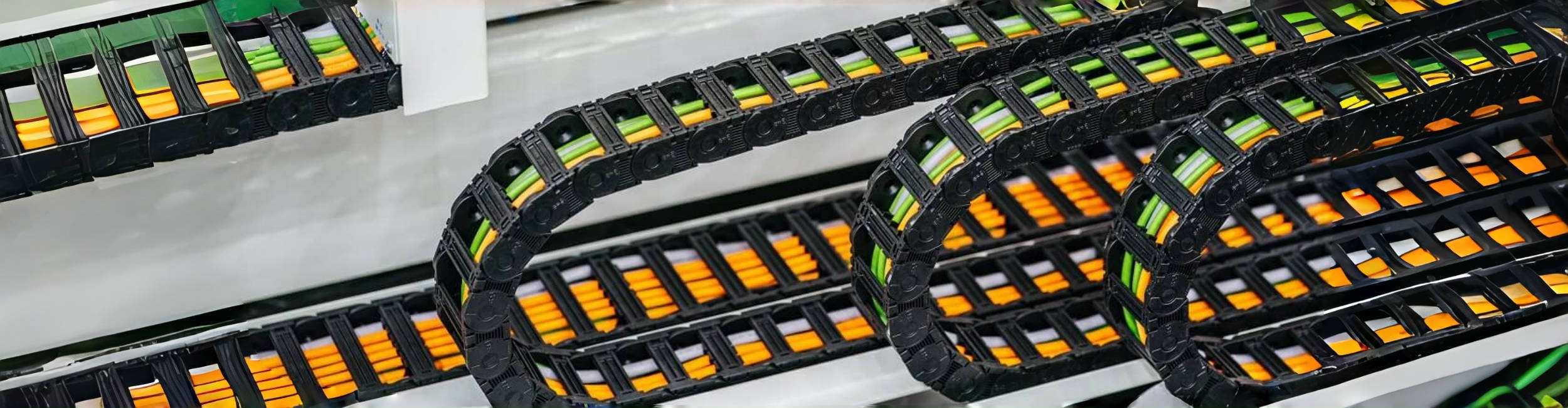
Understanding Cable Drag Chains: Essential Components for Efficient Machinery
Cable drag chains, also known as energy chains or drag chains, are essential components in various manufacturing and machining applications. These versatile systems are designed to manage and protect cables, hoses, and other flexible elements that are frequently in motion within machinery. By providing a structured path for these components, cable drag chains help maintain organization, minimize w
2025-10-18
One of the primary functions of a cable drag chain is to prevent tangling and abrasion of cables and hoses during movement. In manufacturing environments, especially those involving CNC machines and robotic arms, the constant movement of cables can lead to damage if not properly managed. Cable drag chains ensure that cables are guided smoothly, reducing the risk of entanglement and ultimately extending their lifespan.
Another significant advantage of using cable drag chains is their ability to improve safety in the workplace. When cables and hoses are left unorganized, they can create tripping hazards for employees and increase the likelihood of equipment damage. By using a drag chain, manufacturers can keep these elements neatly contained, promoting a safer working environment and reducing the risk of accidents.
The design of cable drag chains is highly customizable, making them suitable for a wide variety of applications. They come in different shapes, sizes, and materials to accommodate various load requirements and environmental conditions. For example, some drag chains are made from lightweight plastics, while others are constructed from robust metals that can withstand harsh industrial environments. This versatility allows manufacturers to select the right drag chain for their specific needs, ensuring optimal performance and durability.
Installation and maintenance of cable drag chains are relatively straightforward, further contributing to their appeal in the manufacturing industry. Once installed, these systems require minimal maintenance, allowing companies to focus on production rather than equipment upkeep. Regular inspections can help identify any wear or damage to the chain, ensuring timely replacements and preventing unexpected downtime.
In summary, cable drag chains are an indispensable component in modern manufacturing and machining environments. By effectively managing and protecting moving cables and hoses, these systems enhance operational efficiency, improve safety, and extend the life of critical equipment. Investing in high-quality cable drag chains can lead to significant long-term benefits, making them a wise choice for any manufacturer looking to optimize their processes.
Related News

Maximizing Efficiency with Cable Drag Chains in Manufacturing
In the realm of manufacturing and machining, the need for organized, efficient, and safe cable management is paramount. This is where cable drag chains come into play. A cable drag chain is designed to house and protect cables, hoses, and other components, allowing for smooth, unhindered movement in machinery. With a variety of designs and configurations available, they cater to specific requireme
How to Troubleshoot Issues with Your Plastic Drag Chain Table of Contents Understanding Plastic Drag Chains Common Issues with Plastic Drag Chains Identifying the Symptoms of Drag Chain Failure Step-by-Step Troubleshooting Guide Preventative Maintenance Tips for Plastic Drag Chains When to Replace Your Drag Chain Best Practices for Installing Drag Chains Conclusion
Subscribe to
Get the latest information on company products


Contact
Add: 14-2,Liandong U Valley,Manufacturing Industrial Park,Tangxia Town,Pengjiang District,Jiangmen City Guangdong Province, China