Krius Intelligent Manufacturing (Jiangmen) Co., Ltd.

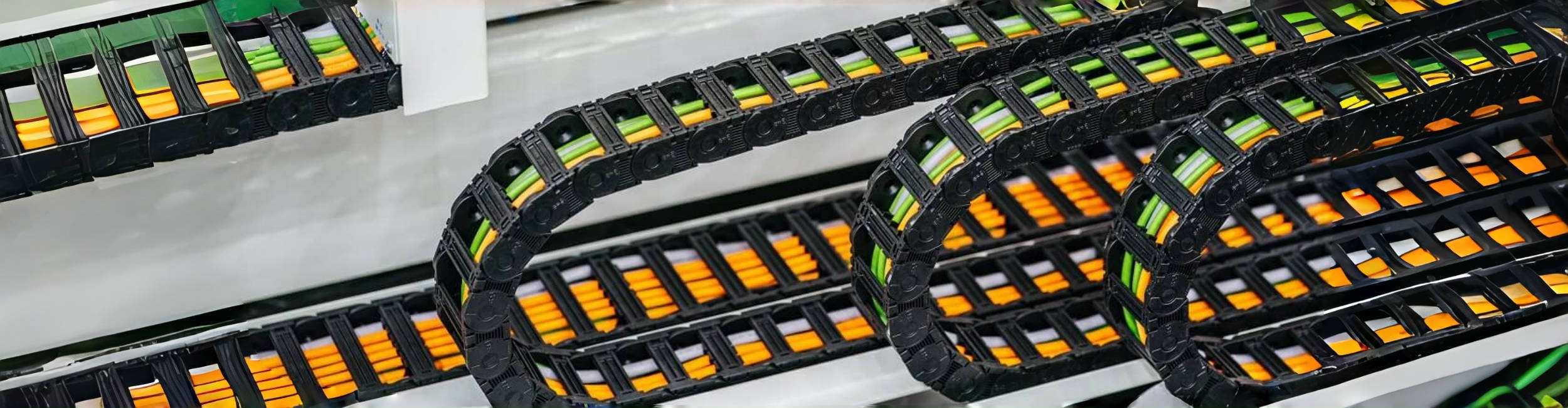
Understanding Plastic Cable Drag Chains: Essential Components for Machinery Efficiency
Plastic cable drag chains are integral components used in various manufacturing processes, particularly in machinery and machine tool accessories. These structures, also known as energy chains or drag links, are designed to guide and protect cables and hoses, ensuring smooth movement and functionality in equipment. They are crucial for applications where dynamic cable movements occur, such as CNC
2025-10-16
One of the primary functions of plastic cable drag chains is to minimize wear and tear on cables and hoses. In environments where machinery operates continuously or undergoes frequent motion, cables can become susceptible to abrasion, entanglement, and fatigue. Plastic drag chains effectively mitigate these risks by keeping cables organized and secured in designated paths, preventing friction and enhancing their longevity.
Another noteworthy benefit of plastic cable drag chains is their versatility. They come in various sizes, shapes, and designs to accommodate different types of cables and hoses, making them suitable for a wide range of applications. Manufacturers can select drag chains based on factors such as cable diameter, bend radius, and the specific movements involved in their machinery operations. This adaptability enables businesses to optimize their machinery setups and improve overall performance.
Durability is also a critical aspect of plastic cable drag chains. Typically made from high-quality polymers, these chains are engineered to withstand harsh environments, including temperature fluctuations, chemical exposure, and mechanical stress. Their lightweight nature contributes to reduced energy consumption and lower overall wear on machinery components, making them an efficient choice for various industrial applications.
In addition to their protective and organizational roles, plastic cable drag chains can enhance safety in manufacturing environments. By securely routing cables and hoses away from moving parts, they significantly reduce the risk of accidents caused by entangled lines. This aspect is particularly vital in busy industrial settings where operator safety is a top priority.
Installation and maintenance of plastic cable drag chains are relatively straightforward, which adds to their appeal for manufacturers. Many chains come with user-friendly assembly features, allowing for quick setup and adjustment to suit specific machinery needs. Regular inspection and maintenance ensure that these chains operate effectively, further extending their lifespan.
In summary, plastic cable drag chains serve as essential components in the realm of manufacturing and machinery. By protecting cables, enhancing safety, and promoting organizational efficiency, they play a pivotal role in optimizing operational performance. Understanding their functionality and benefits can help businesses make informed decisions to improve their manufacturing processes.
Related News

Maximizing Efficiency with Cable Drag Chains in Manufacturing
In the realm of manufacturing and machining, the need for organized, efficient, and safe cable management is paramount. This is where cable drag chains come into play. A cable drag chain is designed to house and protect cables, hoses, and other components, allowing for smooth, unhindered movement in machinery. With a variety of designs and configurations available, they cater to specific requireme
How to Troubleshoot Issues with Your Plastic Drag Chain Table of Contents Understanding Plastic Drag Chains Common Issues with Plastic Drag Chains Identifying the Symptoms of Drag Chain Failure Step-by-Step Troubleshooting Guide Preventative Maintenance Tips for Plastic Drag Chains When to Replace Your Drag Chain Best Practices for Installing Drag Chains Conclusion
Subscribe to
Get the latest information on company products


Contact
Add: 14-2,Liandong U Valley,Manufacturing Industrial Park,Tangxia Town,Pengjiang District,Jiangmen City Guangdong Province, China