Krius Intelligent Manufacturing (Jiangmen) Co., Ltd.

How to Maintain Your Cable Drag Chains for Optimal Performance: A Comprehensive Guide
How to Maintain Your Cable Drag Chains for Optimal Performance Table of Contents Understanding Cable Drag Chains The Importance of Maintaining Cable Drag Chains Conducting Regular Inspections Cleaning Your Cable Drag Chains Effectively Lubrication Techniques for Optimal Performance Monitoring Wear and Tear Replacing Damaged Parts Promptly Best Practices for Drag Ch
2025-10-13
How to Maintain Your Cable Drag Chains for Optimal Performance
Table of Contents
- Understanding Cable Drag Chains
- The Importance of Maintaining Cable Drag Chains
- Conducting Regular Inspections
- Cleaning Your Cable Drag Chains Effectively
- Lubrication Techniques for Optimal Performance
- Monitoring Wear and Tear
- Replacing Damaged Parts Promptly
- Best Practices for Drag Chain Maintenance
- Frequently Asked Questions
Understanding Cable Drag Chains
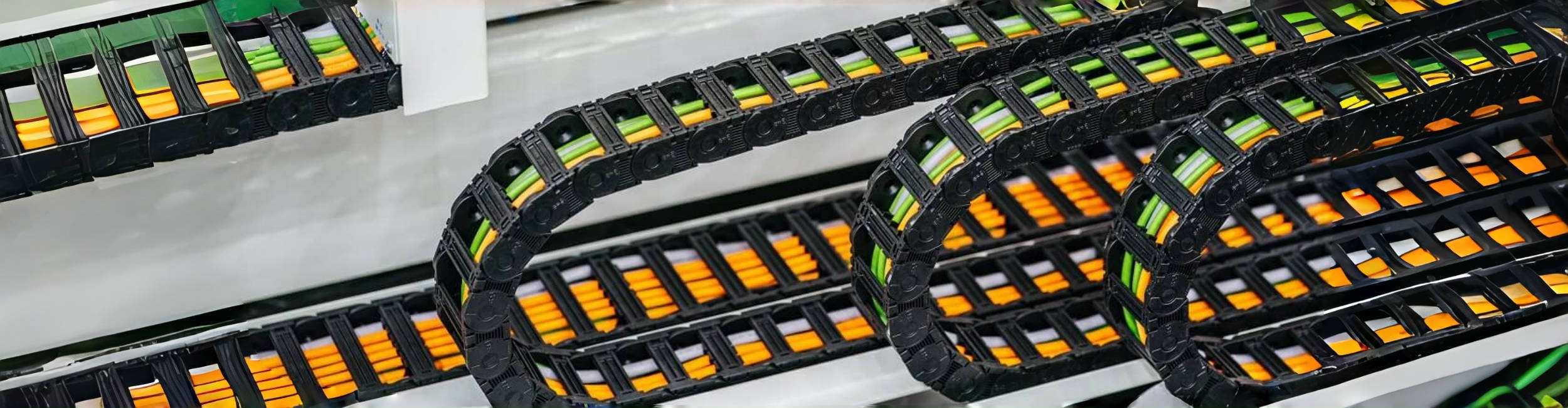
Cable drag chains, also known as energy chains, are essential components in various industrial applications, especially in manufacturing and machining environments. They serve to protect and guide flexible cables and hoses, preventing tangles and wear. By understanding their structure and function, we can appreciate why proper maintenance is crucial for optimal performance.
These chains comprise interconnected links that provide flexibility and rigidity, allowing for smooth movement in machinery. They are particularly useful in CNC machines, robotics, and other automated systems where cables and hoses travel over long distances.
The Importance of Maintaining Cable Drag Chains
Neglecting the maintenance of cable drag chains can lead to several adverse issues, including:
- **Increased Downtime**: A failure in the drag chain can halt production processes, leading to costly downtime.
- **Expensive Repairs**: Damage to the chains can lead to damage in connected equipment, escalating repair costs.
- **Safety Hazards**: Malfunctioning drag chains can pose safety risks to operators, resulting in potential injuries.
Regular maintenance is not just about preventing breakdowns; it's about enhancing the overall efficiency of your manufacturing processes. By maintaining cable drag chains, we ensure their longevity and the smooth operation of machinery.
Conducting Regular Inspections
Regular inspections are the foundation of effective maintenance for cable drag chains. Here’s how to conduct thorough inspections:
Visual Inspections
Start with a visual examination of the drag chains. Look for:
- **Cracks or Deformations**: Inspect for any visible cracks that could compromise the chain's integrity.
- **Wear Indicators**: Many drag chains come with built-in wear indicators. Monitor these to determine when maintenance is needed.
Functional Checks
Testing the functionality of the drag chains is equally important. Move the chains through their complete range of motion and listen for any unusual sounds, such as grinding or excessive rattling, which could indicate underlying issues.
Cleaning Your Cable Drag Chains Effectively
Cleaning cable drag chains is vital to prevent the buildup of dirt, debris, and contaminants that can impede their operation.
Recommended Cleaning Materials
- **Soft Brushes**: Use soft-bristled brushes to remove debris without damaging the chain.
- **Compressed Air**: Blowing out dust and particles with compressed air can be highly effective, especially in tight spaces.
Cleaning Process
1. **Power Down Equipment**: Always turn off machinery before cleaning.
2. **Remove Loose Debris**: Begin by removing any loose debris with a brush or compressed air.
3. **Wipe Down Surfaces**: Use a damp cloth to wipe down the exterior of the drag chains.
4. **Inspect During Cleaning**: Take this opportunity to inspect the chain for any signs of damage.
Lubrication Techniques for Optimal Performance
Proper lubrication is essential for the longevity and functionality of cable drag chains. Here’s how to approach lubrication effectively:
Choosing the Right Lubricant
Select a lubricant that is compatible with the materials of the drag chain. Consider using:
- **Grease**: Suitable for high-load applications.
- **Oil**: Ideal for chains that operate at high speeds.
Lubrication Frequency
The frequency of lubrication can depend on several factors, including the operating environment and the amount of use. As a general rule:
- **High-Use Situations**: Lubricate every 100 operational hours.
- **Moderate Use**: Lubricate every 250 operational hours.
Lubrication Process
1. **Power Down Equipment**: Ensure all machinery is turned off before applying lubricant.
2. **Apply Lubricant Evenly**: Use a clean applicator to distribute lubricant evenly across the chain.
3. **Remove Excess**: Wipe away any excess lubricant to prevent attracting dirt and debris.
Monitoring Wear and Tear
Keeping an eye on wear and tear is crucial for proactive maintenance. Regularly assess the following aspects:
Track Chain Lengthening
As cable drag chains wear, they may elongate. Measure the chain length regularly, and if it exceeds the manufacturer's specifications, replacement may be necessary.
Inspect Link Condition
Check individual links for signs of wear. If links are noticeably thinner or cracked, replace them immediately.
Replacing Damaged Parts Promptly
Replacement of damaged parts is critical in maintaining the functionality of drag chains. Here's how to approach it:
Identifying Damaged Components
During inspections, make note of any components that show signs of significant wear or damage. This includes links, connectors, and mounts.
Ordering Replacement Parts
Always source replacement parts from reputable manufacturers to ensure compatibility and quality. Keep a stock of commonly replaced parts to minimize downtime.
Best Practices for Drag Chain Maintenance
Implementing best practices can help streamline the maintenance process and ensure the longevity of your cable drag chains.
Create a Maintenance Schedule
Establish a regular maintenance schedule that outlines inspection and lubrication tasks. Consistency is key to preventing issues before they arise.
Train Personnel
Ensure that all personnel involved in the maintenance of cable drag chains are adequately trained. They should understand the importance of maintenance and how to perform inspections and repairs correctly.
Leverage Technology
Consider using technology, such as monitoring software, to track the condition of your cable drag chains. Predictive maintenance can help identify potential issues before they lead to failure.
Frequently Asked Questions
1. What are cable drag chains made of?
Cable drag chains are typically made from durable materials such as nylon, plastic, or steel, depending on the specific application and required strength.
2. How often should I lubricate my cable drag chains?
Lubrication frequency can vary based on use, but generally, chains should be lubricated every 100 to 250 operational hours.
3. Can I use any lubricant on my drag chains?
No, it is essential to choose a lubricant that is compatible with the material of your drag chains. Consult the manufacturer’s guidelines for recommendations.
4. What signs indicate that my cable drag chains need replacing?
Signs of replacement need include visible cracks, excessive elongation, and significant wear on the links or connectors.
5. How can I extend the life of my cable drag chains?
Regular inspections, cleaning, and lubrication, along with prompt replacement of damaged parts, can significantly extend the lifespan of cable drag chains.
Conclusion
Maintaining cable drag chains is not merely a reactive measure; it is an essential part of ensuring optimal performance in manufacturing processes. By conducting regular inspections, keeping the chains clean, and ensuring proper lubrication, we can extend the lifespan and efficiency of these vital components. Implementing best practices and leveraging technology can further streamline maintenance efforts, ultimately leading to reduced downtime and enhanced productivity. Remember, a well-maintained drag chain is key to a successful and efficient manufacturing operation.
Related News

Maximizing Efficiency with Cable Drag Chains in Manufacturing
In the realm of manufacturing and machining, the need for organized, efficient, and safe cable management is paramount. This is where cable drag chains come into play. A cable drag chain is designed to house and protect cables, hoses, and other components, allowing for smooth, unhindered movement in machinery. With a variety of designs and configurations available, they cater to specific requireme
How to Troubleshoot Issues with Your Plastic Drag Chain Table of Contents Understanding Plastic Drag Chains Common Issues with Plastic Drag Chains Identifying the Symptoms of Drag Chain Failure Step-by-Step Troubleshooting Guide Preventative Maintenance Tips for Plastic Drag Chains When to Replace Your Drag Chain Best Practices for Installing Drag Chains Conclusion
Subscribe to
Get the latest information on company products


Contact
Add: 14-2,Liandong U Valley,Manufacturing Industrial Park,Tangxia Town,Pengjiang District,Jiangmen City Guangdong Province, China