Krius Intelligent Manufacturing (Jiangmen) Co., Ltd.

Understanding the Design Features of Plastic Cable Drag Chains: A Comprehensive Guide
Understanding the Design Features of Plastic Cable Drag Chains Table of Contents Introduction to Plastic Cable Drag Chains What Are Cable Drag Chains? Benefits of Using Plastic Cable Drag Chains Key Design Features of Plastic Cable Drag Chains Material and Construction Flexibility and Movement Size and Customization Options
2025-10-11
Understanding the Design Features of Plastic Cable Drag Chains
Table of Contents
- Introduction to Plastic Cable Drag Chains
- What Are Cable Drag Chains?
- Benefits of Using Plastic Cable Drag Chains
- Key Design Features of Plastic Cable Drag Chains
- Material and Construction
- Flexibility and Movement
- Size and Customization Options
- Protection Features
- Applications of Plastic Cable Drag Chains
- Maintenance and Care for Longevity
- The Future of Plastic Cable Drag Chains
- Frequently Asked Questions (FAQs)
- Conclusion
Introduction to Plastic Cable Drag Chains
Plastic cable drag chains play a pivotal role in the efficient operation of various industrial machinery. These components are designed to manage and protect cables, hoses, and wires in dynamic environments. As industries evolve, so do the demands for robust and versatile cable management solutions. Understanding the design features of plastic cable drag chains is essential for businesses aiming to optimize machinery performance and ensure safety.
What Are Cable Drag Chains?
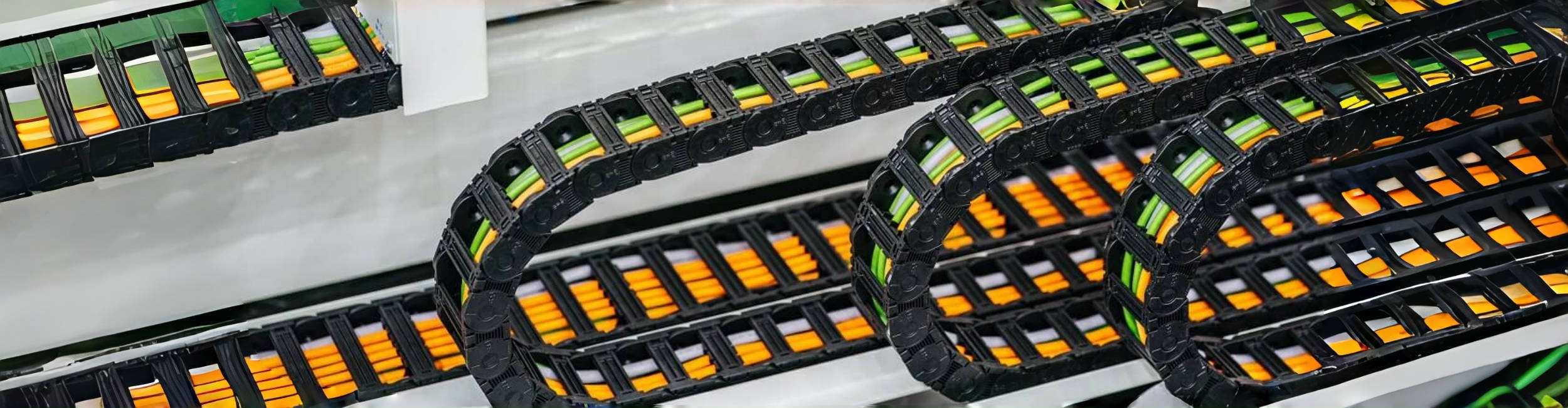
Cable drag chains, also known as energy chains or cable carriers, are essential elements used in machinery to guide and protect cables and hoses. They are particularly crucial in applications where movement and flexibility are necessary, such as in CNC machines, robotics, and automated systems. The chains consist of interconnected links that create a channel for cables, ensuring they remain organized and free from damage during operation.
Benefits of Using Plastic Cable Drag Chains
Investing in plastic cable drag chains offers several significant benefits:
1. **Enhanced Durability**: Built from high-quality plastic materials, these chains can withstand harsh environmental conditions, such as extreme temperatures and chemicals.
2. **Weight Reduction**: Compared to metal alternatives, plastic cable drag chains are lightweight, reducing the overall weight of machinery and enhancing efficiency.
3. **Corrosion Resistance**: Plastic does not corrode like metal, ensuring longevity and reducing maintenance costs.
4. **Noise Reduction**: Plastic chains tend to be quieter during operation, which is beneficial for environments where noise control is essential.
5. **Cost-Effectiveness**: Their durability and reduced need for maintenance can lead to lower operational costs over time.
Key Design Features of Plastic Cable Drag Chains
Understanding the design features of plastic cable drag chains is crucial for selecting the right solution for your machinery. Here are the primary elements to consider:
Material and Construction
The material composition of plastic cable drag chains significantly impacts their performance. Most chains are made from engineering-grade thermoplastics, which offer excellent strength-to-weight ratios and flexibility. The construction often includes features like:
- **Reinforced Structures**: Many designs incorporate reinforcements at stress points to reduce wear and prolong service life.
- **Smooth Inner Surfaces**: This design minimizes friction between cables and the chain, allowing for smoother operation.
Flexibility and Movement
Flexibility is a defining characteristic of plastic cable drag chains. Their hinge design enables them to bend and flex in various directions, accommodating diverse machinery requirements. This flexibility allows chains to be used in tight spaces, where traditional rigid systems would fail.
Size and Customization Options
Plastic cable drag chains are available in various sizes and configurations, making it easy to find a solution that fits your specific application. Customization options include:
- **Chain Widths**: Varying widths allow for different cable or hose sizes.
- **Link Shapes**: Options range from standard to specialized links for unique applications.
- **Colors and Finishes**: Custom colors can enhance visibility and safety in work environments.
Protection Features
Effective cable management requires more than just organization; it also demands protection. Plastic cable drag chains often include features such as:
- **Integrated Covers**: These shields protect cables from dust and debris.
- **End Stops**: Prevent cables from being pulled out of the chain, enhancing safety and functionality.
- **Grommets and Strain Reliefs**: These features reduce the risk of cable damage at entry and exit points.
Applications of Plastic Cable Drag Chains
Plastic cable drag chains find applications across various industries due to their versatility. Key areas of application include:
1. **CNC Machinery**: Used to organize and protect electrical cables and hoses in milling and turning operations.
2. **Robotics**: Essential for guiding cables in robotic arms and automated systems, ensuring smooth and error-free movement.
3. **Automated Warehousing**: Employed in conveyor systems and automated storage to keep cables organized and secure.
4. **Medical Equipment**: Used in devices that require precise cable management and protection in sterile environments.
5. **Entertainment Technology**: Utilized in stage setups for lighting and sound systems to maintain organization during performances.
Maintenance and Care for Longevity
Maintaining plastic cable drag chains is relatively straightforward, ensuring their longevity and optimal performance. Here are some best practices:
- **Regular Inspections**: Check for wear and tear, ensuring that the chains are not damaged or compromised.
- **Cleaning**: Remove dust and debris that may accumulate over time. Use a soft cloth or brush to avoid scratching the plastic surface.
- **Lubrication**: Apply appropriate lubricants where necessary to minimize friction and enhance movement.
The Future of Plastic Cable Drag Chains
As technology advances, the design and functionality of plastic cable drag chains are expected to evolve. Future trends may include:
- **Smart Technology Integration**: Sensors and IoT capabilities could be integrated to monitor cable health and perform predictive maintenance.
- **Sustainable Materials**: The shift toward eco-friendly materials will likely influence the manufacturing of cable drag chains, promoting environmental responsibility.
- **Advanced Customization**: Enhanced customization options may provide even more tailored solutions to meet specific industry needs.
Frequently Asked Questions (FAQs)
1. What materials are commonly used in plastic cable drag chains?
Plastic cable drag chains are typically made from engineering-grade thermoplastics, known for their strength and durability.
2. How do I select the right size cable drag chain for my application?
To select the appropriate size, consider the dimensions of the cables or hoses you need to manage, as well as the space available in your machinery.
3. Can plastic cable drag chains be used in outdoor applications?
Yes, many plastic cable drag chains are designed to withstand various environmental conditions, making them suitable for outdoor use.
4. How do I clean my plastic cable drag chains?
Regular cleaning can be done using a soft brush or cloth to remove dust and debris. Avoid harsh chemicals that may damage the plastic.
5. What is the lifespan of plastic cable drag chains?
The lifespan can vary based on usage and environment, but with proper maintenance, they can last several years.
Conclusion
Understanding the design features of plastic cable drag chains is vital for optimizing machinery performance across various industries. With their numerous benefits, such as durability, flexibility, and cost-effectiveness, these components are indispensable in modern manufacturing and automation. By considering the key design features, applications, and maintenance practices discussed, businesses can make informed decisions that enhance operational efficiency and safety. Embracing advancements in this field will not only ensure longevity but also pave the way for innovation in cable management solutions.
Related News

Maximizing Efficiency with Cable Drag Chains in Manufacturing
In the realm of manufacturing and machining, the need for organized, efficient, and safe cable management is paramount. This is where cable drag chains come into play. A cable drag chain is designed to house and protect cables, hoses, and other components, allowing for smooth, unhindered movement in machinery. With a variety of designs and configurations available, they cater to specific requireme
How to Troubleshoot Issues with Your Plastic Drag Chain Table of Contents Understanding Plastic Drag Chains Common Issues with Plastic Drag Chains Identifying the Symptoms of Drag Chain Failure Step-by-Step Troubleshooting Guide Preventative Maintenance Tips for Plastic Drag Chains When to Replace Your Drag Chain Best Practices for Installing Drag Chains Conclusion
Subscribe to
Get the latest information on company products


Contact
Add: 14-2,Liandong U Valley,Manufacturing Industrial Park,Tangxia Town,Pengjiang District,Jiangmen City Guangdong Province, China