Krius Intelligent Manufacturing (Jiangmen) Co., Ltd.

How to Improve Your Manufacturing Layout with Plastic Drag Chains
How to Improve Your Manufacturing Layout with Plastic Drag Chains Introduction to Manufacturing Layout Optimization In today's fast-paced manufacturing environment, achieving operational efficiency is paramount. One of the most effective strategies to enhance your manufacturing layout is the integration of plastic drag chains. These versatile components not only aid in cable management but also pl
2025-10-09
How to Improve Your Manufacturing Layout with Plastic Drag Chains
Introduction to Manufacturing Layout Optimization
In today's fast-paced manufacturing environment, achieving operational efficiency is paramount. One of the most effective strategies to enhance your manufacturing layout is the integration of plastic drag chains. These versatile components not only aid in cable management but also play a crucial role in organizing machinery and improving workflow. In this article, we will delve into the benefits and applications of plastic drag chains and how they can transform your manufacturing layout for the better.
Understanding Plastic Drag Chains
What Are Plastic Drag Chains?
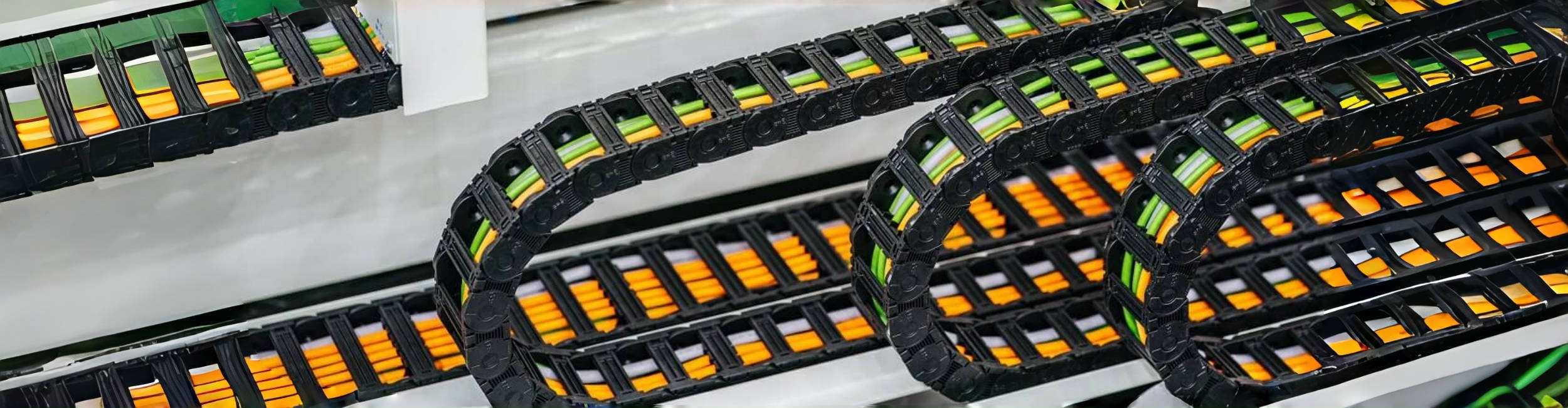
Plastic drag chains, also known as energy chains or cable carriers, are used to guide and protect flexible lines, such as cables, hoses, and pipes. They are designed to keep these lines organized and prevent wear and tear caused by movement and friction during operation. Available in various sizes, shapes, and materials, plastic drag chains are ideal for both light and heavy-duty applications.
Key Features of Plastic Drag Chains
- **Durability**: Made from high-quality plastic materials, these chains are designed to withstand harsh industrial environments.
- **Flexibility**: The modular design allows for easy customization to meet specific layout requirements.
- **Lightweight**: Compared to traditional metal drag chains, plastic options are significantly lighter, reducing the stress on machinery.
- **Low Friction**: The smooth operation of plastic drag chains minimizes wear on cables and hoses, extending their lifespan.
The Benefits of Using Plastic Drag Chains in Manufacturing Layouts
1. Enhanced Organization and Safety
Implementing plastic drag chains in your manufacturing layout can significantly improve organization. By neatly guiding cables and hoses, drag chains eliminate clutter and reduce the risk of accidents caused by tangled lines. This organized approach not only enhances workplace safety but also facilitates quicker maintenance and troubleshooting.
2. Increased Productivity Through Improved Workflow
A well-organized manufacturing layout leads to more efficient workflows. By strategically placing plastic drag chains, you can streamline the movement of equipment and personnel, minimizing unnecessary downtime. This enhanced workflow directly contributes to increased productivity and output.
3. Customization for Specific Applications
Plastic drag chains are available in various configurations, making them highly customizable. Whether you need to accommodate complex machinery or simple conveyor systems, you can tailor drag chains to fit your unique manufacturing needs. This flexibility ensures that your layout remains adaptable to future changes or expansions.
4. Reduced Maintenance Costs
Investing in plastic drag chains can lead to significant cost savings in maintenance. The durability and low-friction properties of these chains reduce wear on cables and hoses, thereby decreasing the frequency of replacements and repairs. Over time, this translates into substantial financial savings for your manufacturing operation.
How to Implement Plastic Drag Chains in Your Manufacturing Layout
Step 1: Assess Your Current Layout
Before integrating plastic drag chains, it’s essential to evaluate your existing manufacturing layout. Identify areas where cable and hose management is lacking, and take note of any potential safety hazards. This assessment will help you determine the best locations for drag chains.
Step 2: Determine the Type and Size of Drag Chains Needed
Once you've identified the areas for improvement, the next step is to select the appropriate type and size of plastic drag chains. Consider factors such as the weight and flexibility of the cables or hoses being carried, as well as the specific environment in which they will operate.
Step 3: Design the Layout
With the right information at hand, begin designing the new layout incorporating plastic drag chains. Plan the placement of the chains to ensure they optimize workflow and minimize friction points. It’s crucial to maintain a balance between accessibility and organization.
Step 4: Installation of Plastic Drag Chains
Installation should be carried out by trained personnel to ensure safety and compliance with industry standards. Follow manufacturer guidelines for attaching drag chains, ensuring that they are securely fastened and properly aligned to prevent any operational issues.
Step 5: Monitor and Adjust As Needed
After the installation, monitor the performance of your new layout. Gather feedback from employees regarding workflow and safety. Be prepared to make adjustments to further improve efficiency and address any unforeseen challenges.
Applications of Plastic Drag Chains in Various Industries
1. Automotive Manufacturing
In the automotive industry, plastic drag chains can organize pneumatic hoses and electrical cables, facilitating the assembly process. Their lightweight design allows for easier manipulation of machinery, improving overall production rates.
2. Aerospace Engineering
Aerospace manufacturing requires stringent safety and performance standards. Plastic drag chains offer reliable protection for critical components, ensuring they remain secure during the complex assembly processes.
3. Robotics and Automation
In automated environments, plastic drag chains are essential for guiding cables and hoses without interfering with robotic movements. Their flexibility allows for smooth operation in dynamic systems, contributing to higher productivity levels.
4. Food and Beverage Industry
In food manufacturing, hygiene is crucial. Plastic drag chains are easy to clean and resistant to chemicals, making them suitable for environments where sanitation is a priority.
Best Practices for Maintaining Plastic Drag Chains
Regular Inspections
Conduct routine inspections of plastic drag chains to identify signs of wear or damage. Look for fraying cables, cracks in the chain, or misalignment, as these issues can lead to operational failures.
Cleaning and Maintenance
Keep plastic drag chains clean by removing dust and debris that may accumulate over time. Regular cleaning will extend the lifespan of both the chains and the cables they protect.
Replacement Strategy
Establish a replacement strategy for worn drag chains based on usage patterns and wear rates. Keeping a stock of spare parts will prevent unexpected downtime in production.
FAQs About Plastic Drag Chains in Manufacturing
1. What are the advantages of plastic drag chains over metal ones?
Plastic drag chains are lightweight, resistant to corrosion, and have lower friction, leading to less wear on cables and hoses. They are also more flexible, making them easier to install in tight spaces.
2. Can plastic drag chains be used in outdoor applications?
Yes, many plastic drag chains are designed to withstand outdoor conditions. However, it’s important to choose chains that are UV-resistant and can handle temperature fluctuations.
3. How do I know which size of drag chain to choose?
The size of the drag chain should match the diameter and length of the cables or hoses being routed. Consult manufacturer guidelines for recommendations based on your specific application.
4. Are plastic drag chains easy to install?
Yes, plastic drag chains are designed for straightforward installation. However, it is recommended to have trained personnel handle the installation to ensure proper alignment and functionality.
5. Can plastic drag chains improve energy efficiency in manufacturing?
Absolutely. By reducing friction and wear on cables, plastic drag chains minimize energy loss, contributing to a more energy-efficient manufacturing process.
Conclusion
In conclusion, **improving your manufacturing layout with plastic drag chains can lead to significant operational benefits**. From enhancing safety to boosting productivity, these components play a vital role in modern manufacturing environments. By following the outlined steps for implementation and maintenance, manufacturers can create a more organized, efficient, and adaptable workspace. Embracing plastic drag chains is not just an upgrade; it’s a strategic move toward a more efficient manufacturing future.
Related News

Maximizing Efficiency with Cable Drag Chains in Manufacturing
In the realm of manufacturing and machining, the need for organized, efficient, and safe cable management is paramount. This is where cable drag chains come into play. A cable drag chain is designed to house and protect cables, hoses, and other components, allowing for smooth, unhindered movement in machinery. With a variety of designs and configurations available, they cater to specific requireme
How to Troubleshoot Issues with Your Plastic Drag Chain Table of Contents Understanding Plastic Drag Chains Common Issues with Plastic Drag Chains Identifying the Symptoms of Drag Chain Failure Step-by-Step Troubleshooting Guide Preventative Maintenance Tips for Plastic Drag Chains When to Replace Your Drag Chain Best Practices for Installing Drag Chains Conclusion
Subscribe to
Get the latest information on company products


Contact
Add: 14-2,Liandong U Valley,Manufacturing Industrial Park,Tangxia Town,Pengjiang District,Jiangmen City Guangdong Province, China