Krius Intelligent Manufacturing (Jiangmen) Co., Ltd.

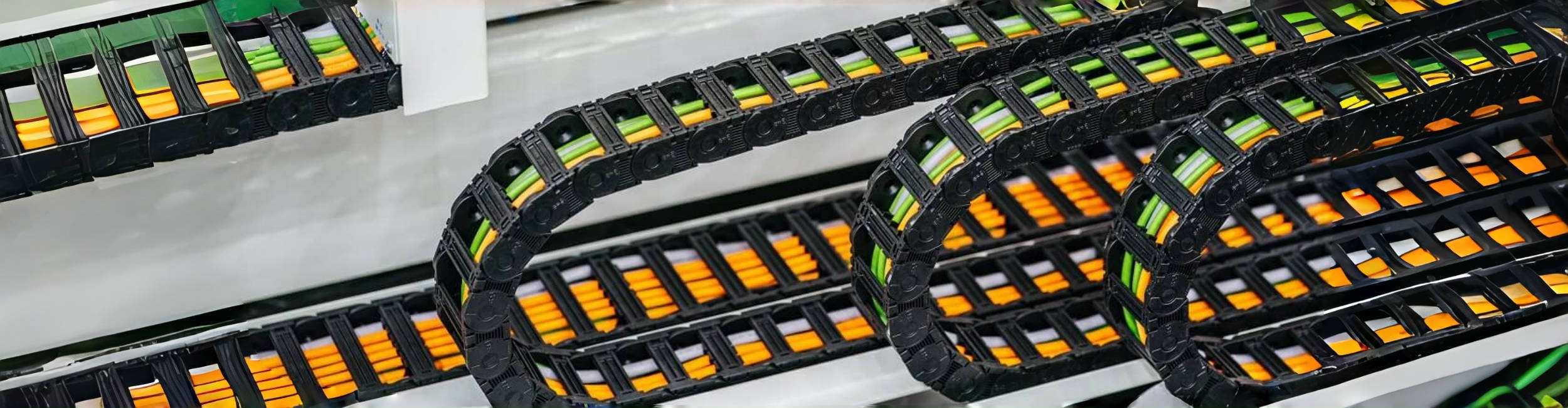
Understanding Plastic Drag Chains: Essential Components for Efficient Machine Operation
Plastic drag chains, also known as energy chains or cable carriers, are essential accessories in the realm of manufacturing and machine tools, particularly in industries where machinery involves moving parts. These chains are designed to facilitate the safe and organized routing of cables and hoses, preventing tangling and wear while ensuring smooth operation of automated systems. One of the prima
2025-10-04
One of the primary advantages of using plastic drag chains is their lightweight nature, which significantly reduces the overall weight load on moving parts of machinery. This is particularly beneficial in applications where speed and efficiency are crucial, such as in CNC machines, robotic arms, and conveyor systems. The use of plastic materials also offers resistance to corrosion and chemicals, making them suitable for a wide range of environments, including those with exposure to lubricants, oils, and various industrial fluids.
When selecting a plastic drag chain, several key factors should be considered. The first is the chain's size and internal dimensions, which must be compatible with the cables or hoses being routed. Adequate space within the drag chain is necessary to accommodate movement and prevent excessive friction. Additionally, the design of the drag chain should allow for easy installation and maintenance, which can reduce downtime in manufacturing operations.
Another important aspect is the flexibility of the drag chain. Different applications may require different levels of bend radius and movement capabilities, so selecting a drag chain that can accommodate the specific dynamic requirements of your machinery is crucial. Notably, some drag chains are designed for use in high-speed applications, while others may be better suited for slower, more controlled movements.
The installation process of plastic drag chains can also influence their effectiveness. Proper mounting and alignment are essential to ensure that the chain functions optimally throughout its lifecycle. Regular maintenance checks are recommended to monitor for wear and tear, ensuring that any potential issues are addressed before they lead to operational failures.
In conclusion, plastic drag chains are indispensable for enhancing the efficiency and reliability of manufacturing machinery. By providing a dedicated path for cables and hoses, they help maintain orderly and safe operations, contributing to the overall productivity of manufacturing systems. Understanding the key features, benefits, and installation practices related to plastic drag chains will enable professionals to make informed decisions that support their operational goals.
Related News

Maximizing Efficiency with Cable Drag Chains in Manufacturing
In the realm of manufacturing and machining, the need for organized, efficient, and safe cable management is paramount. This is where cable drag chains come into play. A cable drag chain is designed to house and protect cables, hoses, and other components, allowing for smooth, unhindered movement in machinery. With a variety of designs and configurations available, they cater to specific requireme
How to Troubleshoot Issues with Your Plastic Drag Chain Table of Contents Understanding Plastic Drag Chains Common Issues with Plastic Drag Chains Identifying the Symptoms of Drag Chain Failure Step-by-Step Troubleshooting Guide Preventative Maintenance Tips for Plastic Drag Chains When to Replace Your Drag Chain Best Practices for Installing Drag Chains Conclusion
Subscribe to
Get the latest information on company products


Contact
Add: 14-2,Liandong U Valley,Manufacturing Industrial Park,Tangxia Town,Pengjiang District,Jiangmen City Guangdong Province, China