Krius Intelligent Manufacturing (Jiangmen) Co., Ltd.

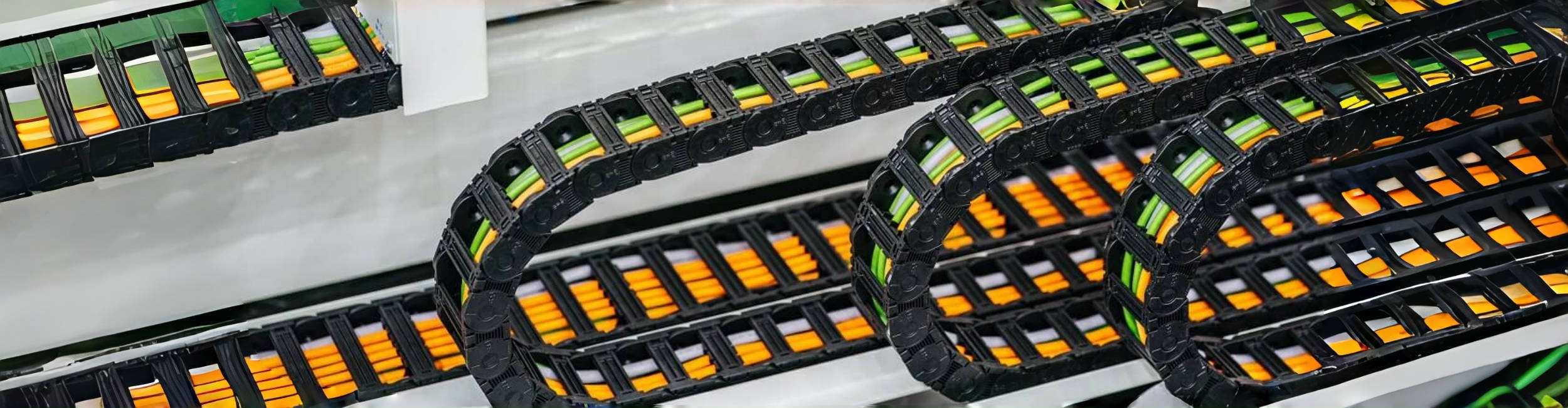
Troubleshooting Common Issues with Plastic Cable Drag Chains: A Comprehensive Guide
Troubleshooting Common Issues with Plastic Cable Drag Chains Table of Contents 1. Introduction to Plastic Cable Drag Chains 2. Understanding Cable Drag Chains and Their Importance 3. Common Issues with Plastic Cable Drag Chains 3.1 Wear and Tear on Drag Chains 3.2 Misalignment Problems 3.3 Cable Damage and Breakage 3.4 Noise and
2025-10-01
Troubleshooting Common Issues with Plastic Cable Drag Chains
Table of Contents
- 1. Introduction to Plastic Cable Drag Chains
- 2. Understanding Cable Drag Chains and Their Importance
- 3. Common Issues with Plastic Cable Drag Chains
- 3.1 Wear and Tear on Drag Chains
- 3.2 Misalignment Problems
- 3.3 Cable Damage and Breakage
- 3.4 Noise and Vibration Problems
- 3.5 Overheating in Cable Drag Chains
- 4. Troubleshooting Techniques for Plastic Cable Drag Chains
- 4.1 Regular Maintenance Checks
- 4.2 Conducting Visual Inspections
- 4.3 Performance Testing and Analysis
- 5. Preventive Measures to Avoid Issues
- 6. Conclusion
- 7. FAQs
1. Introduction to Plastic Cable Drag Chains
Plastic cable drag chains are essential components in various industries, particularly in manufacturing and machinery applications. They serve the critical function of protecting and guiding cables and hoses as they move within machinery. However, like any mechanical system, drag chains are susceptible to issues that can hinder their performance. In this comprehensive guide, we will delve into the common problems encountered with plastic cable drag chains and provide effective troubleshooting strategies to ensure optimal operation.
2. Understanding Cable Drag Chains and Their Importance
Cable drag chains, also known as cable carriers, are designed to support and protect cables and hoses in dynamic applications. They are commonly used in CNC machines, robotics, and automated systems. The significance of these chains cannot be overstated; they prevent tangling, abrasion, and damage to cables, ensuring smooth operation and longevity.
As industries continue to evolve, the demand for reliable cable management systems has increased. Understanding the key components and functionalities of plastic cable drag chains is crucial for troubleshooting any issues that may arise.
3. Common Issues with Plastic Cable Drag Chains
Despite their robust design, plastic cable drag chains can experience various issues that may impact their performance. Below, we explore the most common problems and their underlying causes.
3.1 Wear and Tear on Drag Chains
Over time, plastic cable drag chains can exhibit signs of wear and tear due to continuous movement and exposure to environmental factors. This degradation can lead to compromised structural integrity and increased risk of failure. Factors contributing to wear include:
- **Frequent movement cycles**: Continuous bending and flexing can lead to material fatigue.
- **Environmental conditions**: Exposure to extreme temperatures, chemicals, or UV radiation can weaken the plastic.
3.2 Misalignment Problems
Misalignment is a prevalent issue that can occur when the drag chain is not installed correctly or if mechanical components shift over time. Misalignment can result in:
- **Increased friction**: Misaligned chains may rub against other components, leading to premature wear.
- **Cable damage**: Cables may become pinched or kinked, resulting in breakage.
3.3 Cable Damage and Breakage
Cable damage is often a direct consequence of wear and misalignment. Damaged cables can lead to malfunctioning equipment and costly downtime. Common signs of cable damage include:
- **Frayed insulation**: Worn insulation can expose conductors and pose safety hazards.
- **Internal wire breakage**: Continuous bending can lead to breakage of internal wires, resulting in signal loss.
3.4 Noise and Vibration Problems
Excessive noise and vibration can indicate underlying issues with the drag chain system. Possible causes include:
- **Loose components**: Parts that are not securely fastened may rattle or vibrate during operation.
- **Improper lubrication**: Lack of lubrication can lead to increased friction, causing noise and wear.
3.5 Overheating in Cable Drag Chains
Overheating can occur due to excessive friction, especially if the drag chain is overloaded or not properly lubricated. Symptoms of overheating include:
- **Discoloration of materials**: Plastic components may become discolored or warped due to heat.
- **Reduced lifespan**: Prolonged exposure to high temperatures can significantly shorten the lifespan of the drag chain.
4. Troubleshooting Techniques for Plastic Cable Drag Chains
When issues arise with plastic cable drag chains, implementing effective troubleshooting techniques is crucial. Here, we outline various methods for diagnosing and resolving common problems.
4.1 Regular Maintenance Checks
Routine maintenance is essential for prolonging the life of your plastic cable drag chains. Implement a maintenance schedule that includes:
- **Periodic inspections**: Regularly check for wear and damage.
- **Lubrication**: Ensure proper lubrication of moving parts to reduce friction and wear.
4.2 Conducting Visual Inspections
Visual inspections can quickly identify obvious issues such as wear, misalignment, or cable damage. During inspections, look for:
- **Cracks or deformities**: Inspect the drag chain for any signs of physical damage.
- **Cable condition**: Examine cables for fraying or other signs of wear.
4.3 Performance Testing and Analysis
Conducting performance tests can help diagnose issues that may not be immediately visible. Utilize methods such as:
- **Load testing**: Assess how the drag chain performs under different load conditions.
- **Vibration analysis**: Monitor vibration levels to identify potential misalignment or balance issues.
5. Preventive Measures to Avoid Issues
Taking proactive steps can help prevent common issues from arising with plastic cable drag chains. Consider the following preventive measures:
- **Proper installation**: Ensure that drag chains are installed correctly according to manufacturer specifications to avoid misalignment.
- **Regular cleaning**: Keep the drag chain and cables free from dust and debris to minimize wear and overheating.
- **Monitoring usage**: Keep track of usage patterns and load conditions to anticipate and mitigate potential issues.
6. Conclusion
Troubleshooting common issues with plastic cable drag chains is essential for maintaining the efficiency and longevity of your cable management systems. By understanding the potential problems, employing effective troubleshooting techniques, and taking preventive measures, you can ensure optimal performance and minimize downtime. Regular maintenance and proactive monitoring are key to keeping your machinery running smoothly. Empowering yourself with knowledge about these systems will enhance your capabilities as an engineer or maintenance professional.
7. FAQs
1. What are plastic cable drag chains made of?
Plastic cable drag chains are typically made from durable materials such as nylon, polypropylene, or other engineered plastics designed to withstand wear and environmental stress.
2. How often should I perform maintenance on drag chains?
Regular maintenance should be performed at least once a month, or more frequently depending on usage conditions and environmental factors.
3. Can I repair my plastic cable drag chain, or should I replace it?
Minor damages can often be repaired, but if the structural integrity is compromised, it is advisable to replace the drag chain to ensure safety and functionality.
4. What are the signs of cable damage within a drag chain?
Signs of cable damage include frayed insulation, visible breaks in the cable, or intermittent connectivity issues during operation.
5. How can I reduce noise from my cable drag chains?
Ensure that all components are securely fastened and lubricated. Additionally, check for any misalignment that may be causing unnecessary friction and noise.
By following this guide, you can effectively troubleshoot and maintain plastic cable drag chains, ensuring peak performance in your machinery applications.
Related News

Maximizing Efficiency with Cable Drag Chains in Manufacturing
In the realm of manufacturing and machining, the need for organized, efficient, and safe cable management is paramount. This is where cable drag chains come into play. A cable drag chain is designed to house and protect cables, hoses, and other components, allowing for smooth, unhindered movement in machinery. With a variety of designs and configurations available, they cater to specific requireme
How to Troubleshoot Issues with Your Plastic Drag Chain Table of Contents Understanding Plastic Drag Chains Common Issues with Plastic Drag Chains Identifying the Symptoms of Drag Chain Failure Step-by-Step Troubleshooting Guide Preventative Maintenance Tips for Plastic Drag Chains When to Replace Your Drag Chain Best Practices for Installing Drag Chains Conclusion
Subscribe to
Get the latest information on company products


Contact
Add: 14-2,Liandong U Valley,Manufacturing Industrial Park,Tangxia Town,Pengjiang District,Jiangmen City Guangdong Province, China