Krius Intelligent Manufacturing (Jiangmen) Co., Ltd.

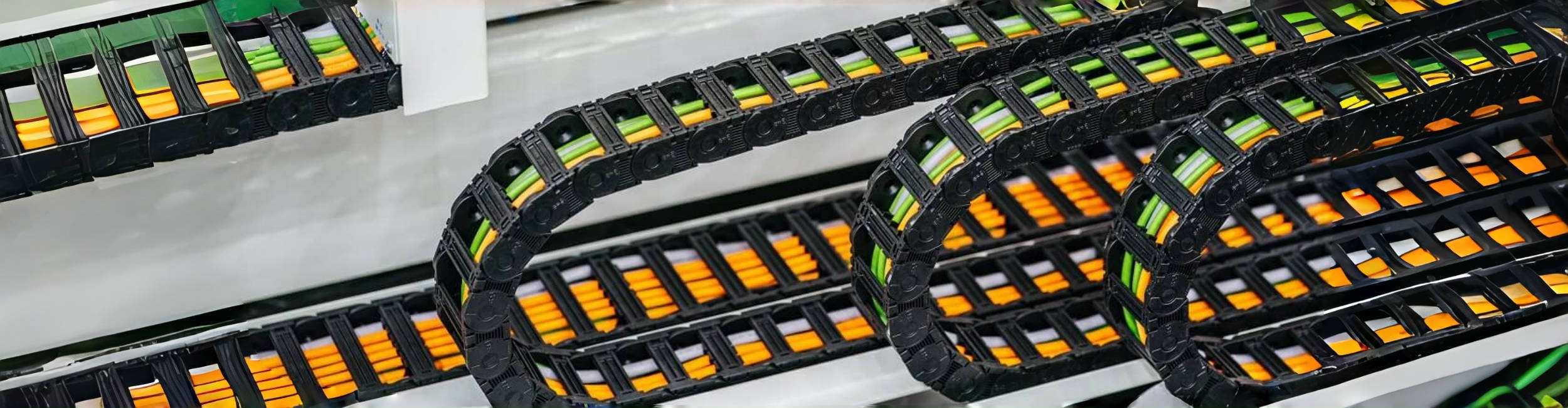
Enhancing Safety with Nylon Drag Chains in Industrial Applications
Enhancing Safety with Nylon Drag Chains in Industrial Applications Introduction to Nylon Drag Chains In the ever-evolving landscape of industrial manufacturing, ensuring safety and efficiency is paramount. **Nylon drag chains** have emerged as a key component in safeguarding machinery and personnel. These innovative products not only help manage cables and hoses but also enhance the overall sa
2025-09-11
Enhancing Safety with Nylon Drag Chains in Industrial Applications
Introduction to Nylon Drag Chains
In the ever-evolving landscape of industrial manufacturing, ensuring safety and efficiency is paramount. **Nylon drag chains** have emerged as a key component in safeguarding machinery and personnel. These innovative products not only help manage cables and hoses but also enhance the overall safety of industrial environments.
What are Nylon Drag Chains?
Nylon drag chains, often referred to as energy chains or cable carriers, are designed to guide and protect moving cables and hoses in various machinery applications. Constructed from high-quality nylon, these drag chains offer excellent flexibility and durability, making them suitable for a wide range of environments. They help prevent tangling, abrasion, and wear of cables, thereby reducing the risk of accidents and equipment failures.
How Nylon Drag Chains Work
The primary function of nylon drag chains is to manage the movement of cables and hoses in automated machinery. As machines operate, these chains move in synchronization with the equipment, creating a safe and organized pathway for electrical and fluid lines. This functionality not only minimizes the risk of damage to cables but also enhances workflow efficiency by preventing interruptions caused by cable tangling.
Benefits of Using Nylon Drag Chains in Industrial Applications
The integration of nylon drag chains into industrial setups offers numerous benefits that contribute to enhanced safety and operational efficiency.
1. Improved Cable Management
One of the most significant advantages of nylon drag chains is their ability to manage cables effectively. By organizing wires and hoses, they prevent tripping hazards and potential accidents, ensuring a safer working environment.
2. Protection Against Wear and Tear
Nylon is known for its durability. It resists abrasion, chemicals, and temperature fluctuations, which means that using nylon drag chains can prolong the lifespan of cables and hoses, reducing the need for frequent replacements and maintenance.
3. Enhanced Safety Features
Nylon drag chains are designed with safety in mind. Many models feature smooth edges and secure closure mechanisms, minimizing the risk of injuries from sharp edges or loose cables. By providing a secure housing for cables, these chains help maintain workplace safety.
4. Versatility in Applications
Whether in CNC machines, robotic arms, or conveyor systems, nylon drag chains can be adapted to various industrial applications. This versatility allows manufacturers to standardize safety practices across different machinery and setups.
5. Cost-Effectiveness
Investing in nylon drag chains can lead to significant cost savings over time. By preventing wear and damage to expensive cables, organizations can reduce maintenance costs and downtime, ultimately improving the bottom line.
Common Applications of Nylon Drag Chains
Nylon drag chains are used in a wide array of applications across various industries. Here are some common uses:
CNC Machines
In CNC machining, drag chains play a critical role in guiding power and control cables. This organization not only prevents tangles but also allows for smooth operation of the machine, enhancing both precision and safety.
Robotic Systems
In robotic applications, nylon drag chains are essential for managing the extensive wiring required for operation. They allow robots to move freely without the risk of damaging cables, ensuring their longevity and reliability.
Conveyor Systems
In conveyor systems, drag chains are used to secure and guide the cables necessary for the operation of the conveyor belts. This organization is vital for maintaining smooth operations and minimizing accidents caused by loose wiring.
Automated Guided Vehicles (AGVs)
AGVs require a reliable cable management system to ensure efficient and safe operation. Nylon drag chains provide the necessary support for the cables that control navigation, power, and communication in these vehicles.
Choosing the Right Nylon Drag Chain
Selecting the appropriate nylon drag chain for your specific application is crucial for maximizing safety and efficiency. Here are some factors to consider:
1. Load Capacity
Evaluate the weight and type of cables or hoses that will be housed within the drag chain. Ensure that the selected chain can support the load without compromising safety or performance.
2. Environmental Conditions
Consider the environment in which the drag chain will operate. Factors such as temperature, humidity, and exposure to chemicals can affect material performance. Choose a nylon drag chain that is specifically designed for your operating conditions.
3. Bend Radius
The bend radius is critical for determining the flexibility of the drag chain. Ensure that the chosen chain can accommodate the required movement without stressing the cables it manages.
4. Length and Size
Measure the required length and size of the drag chain to ensure a proper fit for your machinery. A well-sized chain will allow for optimal performance and safety.
5. Installation Considerations
Evaluate how easy it is to install the nylon drag chain in your existing setup. A user-friendly installation process can save time and reduce the risk of errors during setup.
Installation Best Practices for Nylon Drag Chains
To maximize the benefits of nylon drag chains, proper installation is essential. Follow these best practices:
1. Plan the Layout
Before installation, plan the layout of the drag chain system. Ensure that the path is clear of obstacles, and consider the movement of machinery and personnel to prevent accidents.
2. Use Proper Tools
Employ the right tools for installation to ensure accuracy and safety. This includes cutting tools, fastening devices, and protective gear.
3. Secure Connections
Ensure that all connections are secure and that cables are properly housed within the drag chain. Loose cables can lead to tangling and damage, compromising safety.
4. Conduct Regular Inspections
After installation, perform regular inspections of the drag chains. Look for signs of wear or damage, and address any issues promptly to maintain safety standards.
Maintaining Nylon Drag Chains for Longevity
Regular maintenance is key to extending the life of nylon drag chains. Here are some tips to keep them in optimal condition:
1. Cleaning
Keep the drag chains clean by removing debris and dust that may accumulate. This prevents wear and maintains smooth movement.
2. Lubrication
Apply appropriate lubricants to ensure smooth operation. This will reduce friction and extend the lifespan of the drag chains.
3. Monitoring Wear Patterns
Regularly monitor wear patterns on your drag chains. Early detection of wear can prevent major failures and enhance safety.
4. Replace Damaged Chains Promptly
If any damage is identified, replace the drag chain immediately. Operating with a compromised chain can lead to severe safety hazards.
Frequently Asked Questions (FAQs)
1. What are the primary materials used in nylon drag chains?
Nylon drag chains are primarily made from high-quality nylon, which is known for its durability, flexibility, and resistance to wear.
2. Can nylon drag chains be used outdoors?
Yes, but it's essential to select chains designed for outdoor use to withstand environmental factors like UV exposure and temperature variations.
3. How do I determine the appropriate size of a nylon drag chain?
Measure the cables or hoses that will be housed within the chain and consider the required bend radius to ensure a proper fit.
4. What are the signs that a nylon drag chain needs replacement?
Signs include visible wear, fraying, or damage to the chain, as well as any malfunction in the machinery related to cable management.
5. Are there any specific safety standards for nylon drag chains?
While specific standards can vary by industry, it is crucial to ensure that the drag chains meet relevant safety and quality standards required for your application.
Conclusion
Incorporating **nylon drag chains** into industrial applications is a proactive step toward enhancing safety and efficiency. Their ability to manage cables and hoses effectively reduces potential hazards while prolonging the lifespan of valuable components. By understanding their benefits, applications, and maintenance practices, industries can foster a safer working environment and improve operational performance. As technology continues to evolve, nylon drag chains will undoubtedly play a pivotal role in shaping the future of industrial safety standards.
PREVIOUS:
Related News

Maximizing Efficiency with Cable Drag Chains in Manufacturing
In the realm of manufacturing and machining, the need for organized, efficient, and safe cable management is paramount. This is where cable drag chains come into play. A cable drag chain is designed to house and protect cables, hoses, and other components, allowing for smooth, unhindered movement in machinery. With a variety of designs and configurations available, they cater to specific requireme
How to Troubleshoot Issues with Your Plastic Drag Chain Table of Contents Understanding Plastic Drag Chains Common Issues with Plastic Drag Chains Identifying the Symptoms of Drag Chain Failure Step-by-Step Troubleshooting Guide Preventative Maintenance Tips for Plastic Drag Chains When to Replace Your Drag Chain Best Practices for Installing Drag Chains Conclusion
Subscribe to
Get the latest information on company products


Contact
Add: 14-2,Liandong U Valley,Manufacturing Industrial Park,Tangxia Town,Pengjiang District,Jiangmen City Guangdong Province, China