Krius Intelligent Manufacturing (Jiangmen) Co., Ltd.

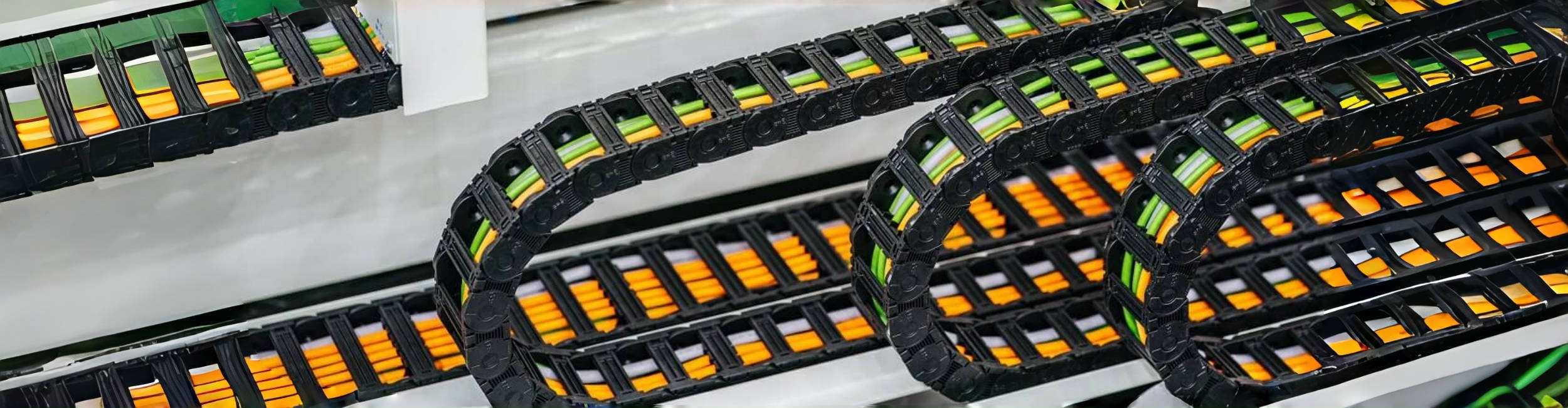
Why Your Factory Should Switch to Plastic Drag Chains Today
Why Your Factory Should Switch to Plastic Drag Chains Today Introduction to Plastic Drag Chains In today's fast-paced manufacturing landscape, efficiency is key. One crucial component that influences operational productivity is the drag chain. Traditionally, metal drag chains have dominated the industry, but a shift towards plastic drag chains is gaining momentum. This article will explore why y
2025-09-11
Why Your Factory Should Switch to Plastic Drag Chains Today
Introduction to Plastic Drag Chains
In today's fast-paced manufacturing landscape, efficiency is key. One crucial component that influences operational productivity is the drag chain. Traditionally, metal drag chains have dominated the industry, but a shift towards plastic drag chains is gaining momentum. This article will explore why your factory should consider making this switch, examining the advantages, applications, and frequently asked questions surrounding plastic drag chains.
Understanding Drag Chains: The Basics
Drag chains are essential for guiding and protecting moving cables and hoses in machinery. They ensure that the lines remain organized while allowing for smooth movement during operation. Historically, these chains were predominantly made from metals like steel or aluminum. However, the advent of advanced plastic materials has prompted a reevaluation of their use in manufacturing environments.
The Composition of Plastic Drag Chains
Plastic drag chains are typically constructed from high-grade polymers such as Nylon, Polypropylene, or Polyethylene. These materials provide a robust yet lightweight solution, making them ideal for various industrial applications. They can withstand harsh environments, resist chemicals, and handle a significant degree of wear and tear.
Advantages of Switching to Plastic Drag Chains
1. Weight Reduction
One of the most pronounced benefits of plastic drag chains is their lightweight nature. A lighter chain reduces the load on machinery, allowing for faster operations and less mechanical strain. This weight reduction can lead to lower energy consumption, contributing to a more sustainable operation.
2. Corrosion Resistance
Unlike metal, plastic does not corrode over time. This resistance extends the longevity of the drag chains, making them a wise investment. Factories operating in humid or corrosive environments will find plastic drag chains particularly beneficial, as they maintain integrity where metal chains may fail.
3. Lower Maintenance Costs
Plastic drag chains require less maintenance than traditional metal chains. They do not need regular oiling or rust treatment, saving both time and resources. This reduction in maintenance not only enhances operational efficiency but also lowers overall operational costs.
4. Noise Reduction
Another significant advantage is the reduction in noise levels during operation. Plastic drag chains produce less noise compared to their metal counterparts, creating a quieter work environment. This feature can lead to improved worker satisfaction and productivity.
5. Flexibility and Customization
Plastic drag chains come in various sizes and configurations, offering flexibility for different applications. Manufacturers can customize these chains to fit specific needs, enhancing their utility across various machinery setups.
Applications of Plastic Drag Chains
Plastic drag chains have a wide array of applications across several industries. Here are some key areas where they excel:
1. Robotics and Automation
In robotic applications, drag chains are crucial for cable management. The lightweight design of plastic chains enhances robotic movement, making them ideal for high-speed operations.
2. CNC Machining
Factories employing CNC machines benefit significantly from plastic drag chains. They ensure that power and control cables remain undamaged while allowing for smooth, efficient machine movement.
3. Packaging and Assembly Lines
In packaging and assembly lines, maintaining order and efficiency is crucial. Plastic drag chains help manage the complex web of cables and hoses, reducing the risk of tangling and downtime.
4. Material Handling Systems
Material handling systems often require flexible and durable solutions for cable management. Plastic drag chains excel in these environments, ensuring smooth operation and reducing wear.
Cost Analysis: Is Switching Worth It?
While the initial investment in plastic drag chains may be higher than metal alternatives, the long-term savings are substantial. Consider the following factors:
- **Longevity**: A longer lifespan translates to fewer replacements and less downtime.
- **Energy Savings**: Lightweight chains reduce energy expenditure, impacting overall operational budgets positively.
- **Maintenance Costs**: With reduced maintenance needs, your factory can allocate resources more efficiently.
Calculating the total cost of ownership may reveal that plastic drag chains provide a more economical solution over time.
Addressing Common Concerns About Plastic Drag Chains
1. Are Plastic Drag Chains as Strong as Metal Ones?
Plastic drag chains are engineered to withstand significant stress and loads. Many advanced plastic materials can match or even exceed the strength of traditional metals in specific applications, making them a viable alternative.
2. What About Thermal Stability?
Modern plastic drag chains are designed to perform well under a range of temperatures. High-performance plastics can operate effectively in extreme conditions, ensuring reliability in various manufacturing processes.
3. How Do Plastic Chains Handle Heavy Loads?
While it is true that some plastic chains may have load limitations, many manufacturers produce heavy-duty variants specifically designed for rigorous applications. Always check the specifications to ensure compatibility with your requirements.
4. Are There Environmental Benefits?
Yes, plastic drag chains can be more environmentally friendly. Many are made from recyclable materials, contributing to sustainability efforts. Additionally, their energy efficiency can help reduce overall factory carbon footprints.
5. What is the Installation Process Like?
Installing plastic drag chains is typically straightforward and may require minimal tools. Many are designed for easy assembly and can be integrated into existing systems without significant modifications.
Conclusion
Switching to plastic drag chains represents a significant advancement for modern factories looking to enhance efficiency and reduce costs. With their lightweight design, corrosion resistance, and lower maintenance needs, plastic drag chains provide a compelling case for businesses in various industries. By making this switch, your factory can improve operational efficiency, reduce downtime, and ultimately enhance productivity. Embrace the future of manufacturing by opting for plastic drag chains today, and watch your factory thrive in an increasingly competitive market.
Related News

Maximizing Efficiency with Cable Drag Chains in Manufacturing
In the realm of manufacturing and machining, the need for organized, efficient, and safe cable management is paramount. This is where cable drag chains come into play. A cable drag chain is designed to house and protect cables, hoses, and other components, allowing for smooth, unhindered movement in machinery. With a variety of designs and configurations available, they cater to specific requireme
How to Troubleshoot Issues with Your Plastic Drag Chain Table of Contents Understanding Plastic Drag Chains Common Issues with Plastic Drag Chains Identifying the Symptoms of Drag Chain Failure Step-by-Step Troubleshooting Guide Preventative Maintenance Tips for Plastic Drag Chains When to Replace Your Drag Chain Best Practices for Installing Drag Chains Conclusion
Subscribe to
Get the latest information on company products


Contact
Add: 14-2,Liandong U Valley,Manufacturing Industrial Park,Tangxia Town,Pengjiang District,Jiangmen City Guangdong Province, China