Krius Intelligent Manufacturing (Jiangmen) Co., Ltd.

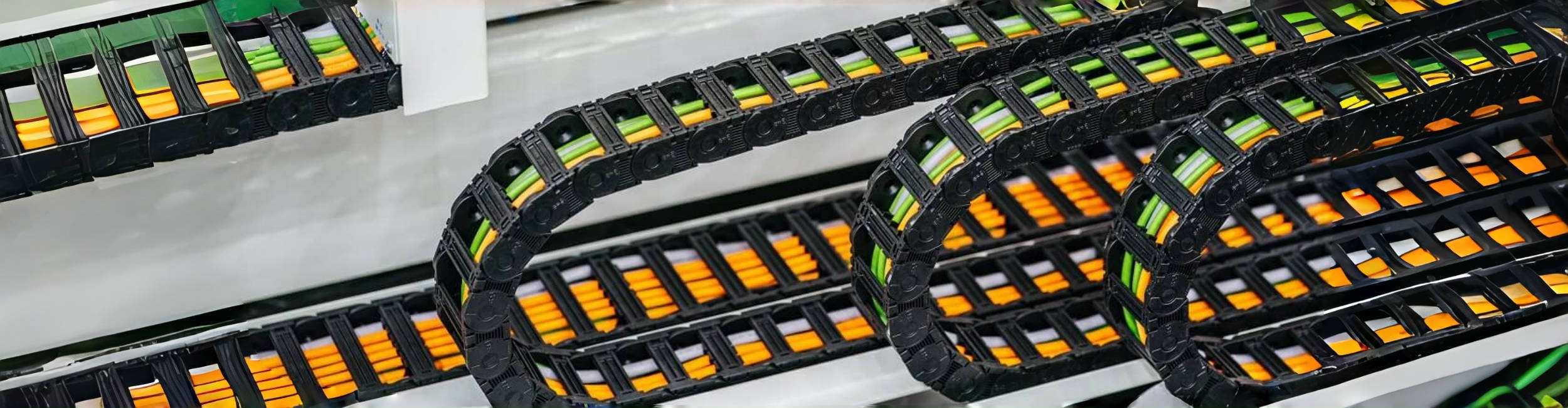
Nylon Cable Drag Chains: A Key Component in Modern Machine Tool Design
Nylon Cable Drag Chains: A Key Component in Modern Machine Tool Design In an era where precision and efficiency define the success of manufacturing processes, nylon cable drag chains have emerged as a crucial component in the design of modern machine tools. These flexible, durable chains facilitate the organization and protection of cables and hoses, ensuring seamless operation and minimizing down
2025-09-11
Nylon Cable Drag Chains: A Key Component in Modern Machine Tool Design
In an era where precision and efficiency define the success of manufacturing processes, nylon cable drag chains have emerged as a crucial component in the design of modern machine tools. These flexible, durable chains facilitate the organization and protection of cables and hoses, ensuring seamless operation and minimizing downtime. This article delves deep into the significance of nylon cable drag chains, examining their design, advantages, applications, and maintenance practices that contribute to optimal performance in various industrial settings.
Table of Contents
- What Are Nylon Cable Drag Chains?
- Design Features of Nylon Cable Drag Chains
- Advantages of Using Nylon Cable Drag Chains
- Applications in Machine Tool Design
- Installation Guide for Nylon Cable Drag Chains
- Maintenance Tips for Nylon Cable Drag Chains
- Comparison with Other Materials
- Future Trends in Cable Drag Chain Design
- FAQs About Nylon Cable Drag Chains
- Conclusion
What Are Nylon Cable Drag Chains?
Nylon cable drag chains, also known as energy chains, are protective conduits designed to manage and guide cables, hoses, and other flexible connections in moving machinery. They are typically made from high-quality nylon, a material known for its strength, flexibility, and resistance to wear and tear. By enclosing and organizing these components, nylon cable drag chains prevent tangling, abrasion, and damage, leading to increased longevity and reliability of the machinery.
Design Features of Nylon Cable Drag Chains
Material Composition
The primary material used in the manufacturing of nylon cable drag chains is nylon, often combined with additional additives to enhance properties such as UV resistance, flame retardancy, and impact resistance. This makes them suitable for a variety of environments, from indoor manufacturing floors to outdoor applications.
Modular Design
Many nylon cable drag chains feature a modular design, allowing for customization in length and configuration. This adaptability makes it easy to accommodate different machine layouts and operational requirements, making them versatile for various machine tool designs.
Dimensions and Sizes
Nylon cable drag chains come in a range of sizes, with varying internal widths, heights, and bending radii. This ensures compatibility with multiple types of cables and hoses, enabling users to choose the right chain for their specific applications. The availability of different sizes also contributes to their effectiveness in maintaining efficient cable management.
Advantages of Using Nylon Cable Drag Chains
Enhanced Cable Protection
One of the primary advantages of nylon cable drag chains is their ability to protect cables and hoses from physical damage. By enclosing these components, they shield them from abrasion, cuts, and environmental factors that could lead to wear over time.
Improved Organization
In complex machine tool environments, maintaining organization is crucial. Nylon cable drag chains facilitate orderly routing of cables and hoses, reducing clutter and enhancing safety within the workspace. This organization not only helps prevent accidents but also streamlines maintenance and troubleshooting processes.
Increased Flexibility
Nylon is known for its flexibility, allowing the chains to navigate sharp bends and curves without compromising the integrity of the cables inside. This flexibility is particularly beneficial in dynamic applications where movement is constant, ensuring that cables can move freely without restriction.
Reduced Downtime
By minimizing the risk of cable damage and enhancing organization, nylon cable drag chains contribute to reduced downtime in manufacturing processes. Less frequent maintenance and fewer interruptions in operation translate to increased productivity and efficiency.
Applications in Machine Tool Design
Nylon cable drag chains find extensive use across various applications within machine tool design. Some of the most common applications include:
CNC Machines
In CNC (Computer Numerical Control) machines, where precision is paramount, nylon cable drag chains are essential for managing the extensive wiring and hoses required for operation. They ensure that all components move smoothly, facilitating accurate machining processes.
Robot Arms
In robotic systems, where movement is dynamic and complex, the use of nylon cable drag chains helps maintain cable integrity, allowing for unrestricted movement. This is crucial for maintaining the precision and reliability of robotic operations.
Conveyor Systems
Conveyor systems that transport materials and components benefit from the use of nylon cable drag chains. They protect the cables that power motors and controls, ensuring smooth operation and reducing the risk of outages.
3D Printers
In 3D printing technology, the movement of print heads and build platforms can generate stress on cables. Nylon cable drag chains provide the necessary protection and organization, allowing for the reliable operation of printers and maintaining print quality.
Installation Guide for Nylon Cable Drag Chains
Step-by-Step Installation Process
Installing nylon cable drag chains requires careful planning and execution. Here’s a step-by-step guide to ensure proper installation:
- Preparation: Gather all necessary tools and materials, including the nylon drag chain, cables, and installation hardware.
- Measure and Cut: Measure the required length of the drag chain, cutting it to size if necessary.
- Assemble the Chain: If using a modular chain, assemble the sections according to the manufacturer’s instructions.
- Route the Cables: Place the cables and hoses inside the drag chain, ensuring that they are not twisted or pinched.
- Secure the Chain: Attach the drag chain to the designated mounting points on the machine tool, ensuring it is securely fastened to prevent movement during operation.
- Test Movement: Before full operation, manually move the machine to ensure that the cables flow freely within the chain.
Maintenance Tips for Nylon Cable Drag Chains
Regular maintenance of nylon cable drag chains is essential to ensure their longevity and effectiveness. Here are some tips to keep them in optimal condition:
Regular Inspections
Conduct routine inspections of the drag chains to check for signs of wear, damage, or misalignment. Early detection of issues can prevent larger problems and downtime.
Cleaning
Keep the drag chains clean from dust, debris, and contaminants. Regular cleaning helps maintain the integrity of the nylon material and prevents buildup that could interfere with movement.
Lubrication
While nylon is inherently low-friction, occasional lubrication of moving parts can enhance performance, especially in high-use applications. Use lubricants compatible with nylon to avoid damage.
Replacement
When signs of wear become evident, replace the drag chains promptly to prevent cable damage. Adhering to manufacturer recommendations for replacement intervals can enhance the overall life cycle of the equipment.
Comparison with Other Materials
While nylon is a popular choice for cable drag chains, several other materials are available in the market, each with its advantages and disadvantages. Here is a brief comparison:
Steel Drag Chains
Steel drag chains are known for their strength and durability; however, they are heavier and more prone to corrosion than nylon. They are typically used in heavy-duty applications where loads are substantial.
Plastic Drag Chains
Plastic drag chains, while similar to nylon, may lack the same strength and impact resistance. They can be more cost-effective but may not offer the same longevity in demanding environments.
Aluminum Drag Chains
Aluminum drag chains provide a lightweight option with decent strength but can be expensive and prone to denting. They are suitable for applications where weight reduction is crucial.
Future Trends in Cable Drag Chain Design
The future of nylon cable drag chains is promising, with ongoing innovations focused on enhancing performance and adaptability. Some emerging trends include:
Integration of Smart Technology
As industries turn towards automation, the incorporation of smart technology into cable drag chains is becoming prevalent. Sensors and monitoring systems can provide real-time data on chain performance, enabling predictive maintenance.
Improved Material Science
Advancements in material science will likely lead to the development of new nylon blends that offer enhanced properties, such as increased tensile strength and better resistance to environmental factors.
Customization and Modularity
Future designs may emphasize modularity and customization even further, allowing for easy adjustments based on specific application needs. This flexibility will facilitate faster adaptations to changing manufacturing requirements.
FAQs About Nylon Cable Drag Chains
1. What is the lifespan of nylon cable drag chains?
The lifespan of nylon cable drag chains varies based on usage and environmental conditions but generally ranges from 5 to 10 years with proper maintenance.
2. Can nylon cable drag chains be used outdoors?
Yes, nylon cable drag chains are suitable for outdoor use, especially when they are designed with UV resistance and other protective features.
3. Are nylon cable drag chains easy to install?
With proper guidance and preparation, nylon cable drag chains can be easily installed, often following a straightforward step-by-step process.
4. How do I choose the right size of drag chain?
Choosing the right size involves measuring the cables and hoses to be routed and selecting a chain with appropriate internal dimensions and bending radius.
5. What maintenance is required for nylon cable drag chains?
Regular inspections, cleaning, lubrication, and timely replacements are key maintenance practices that help ensure the efficiency and longevity of nylon cable drag chains.
Conclusion
Nylon cable drag chains are far more than just a protective element in machine tool design; they are integral to optimizing performance and enhancing safety in modern manufacturing environments. Their benefits, including enhanced cable organization, protection, and flexibility, make them a wise investment for any industrial application. As technology continues to evolve, the future of nylon cable drag chains looks bright with innovations paving the way for even greater efficiency and adaptability. Understanding their features, applications, and maintenance will empower manufacturers to leverage these essential components for optimal productivity and longevity.
Related News

Maximizing Efficiency with Cable Drag Chains in Manufacturing
In the realm of manufacturing and machining, the need for organized, efficient, and safe cable management is paramount. This is where cable drag chains come into play. A cable drag chain is designed to house and protect cables, hoses, and other components, allowing for smooth, unhindered movement in machinery. With a variety of designs and configurations available, they cater to specific requireme
How to Troubleshoot Issues with Your Plastic Drag Chain Table of Contents Understanding Plastic Drag Chains Common Issues with Plastic Drag Chains Identifying the Symptoms of Drag Chain Failure Step-by-Step Troubleshooting Guide Preventative Maintenance Tips for Plastic Drag Chains When to Replace Your Drag Chain Best Practices for Installing Drag Chains Conclusion
Subscribe to
Get the latest information on company products


Contact
Add: 14-2,Liandong U Valley,Manufacturing Industrial Park,Tangxia Town,Pengjiang District,Jiangmen City Guangdong Province, China