Krius Intelligent Manufacturing (Jiangmen) Co., Ltd.

Understanding Cable Drag Chains: Essential Components for Manufacturing Machinery
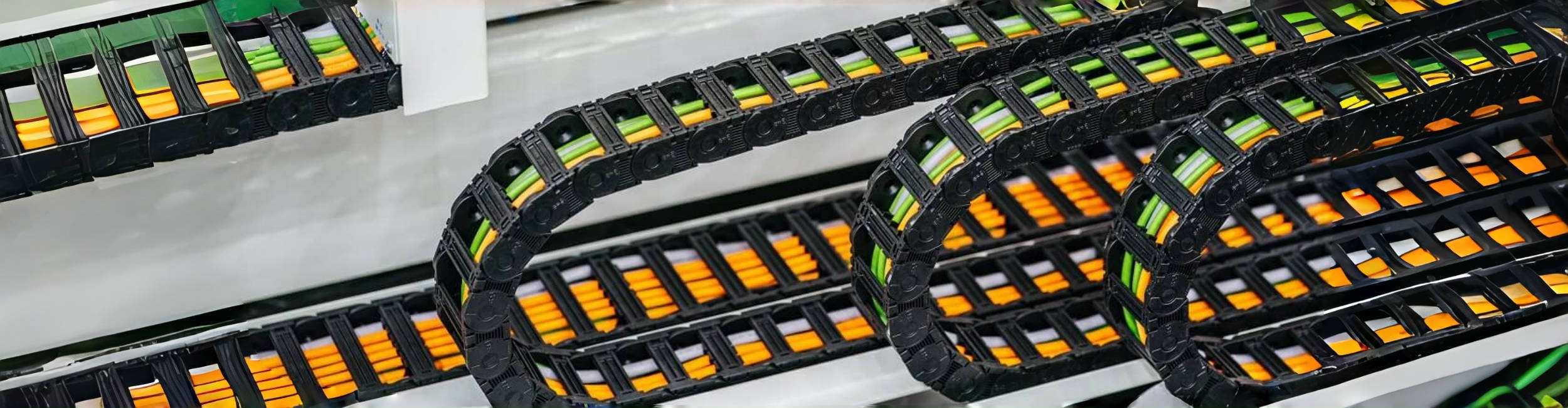
Cable drag chains, also known simply as drag chains, are mechanical components designed to support and protect moving cables and hoses in various industrial applications. They play an essential role in manufacturing machinery, particularly in environments where machinery operates under dynamic conditions. These chains guide and organize cables, preventing tangles and wear, thus ensuring a smoother
2025-08-29
One of the primary functions of cable drag chains is to maintain the integrity of electrical wiring and hydraulic hoses that move with the machinery. As machinery operates, cables and hoses experience movement, bending, twisting, and pulling. Without the proper guidance and protection provided by cable drag chains, these cables and hoses could suffer from abrasion, leading to potential failures or downtime due to repairs. The right drag chain not only enhances the durability of these components but also contributes to the overall safety of the machinery.
Moreover, cable drag chains significantly improve the efficiency of manufacturing processes. By keeping cables organized and in place, drag chains reduce the risk of interference with other machine parts, allowing for smooth and uninterrupted operation. This efficiency is particularly critical in automated environments where precision and reliability are paramount. When cables and hoses are neatly contained, maintenance becomes more manageable, further optimizing machinery uptime.
The design of cable drag chains varies to accommodate different applications. Factors such as the length of the cable run, the number of cables, and the specific movements of the machinery play a role in determining the appropriate drag chain type. Choosing the right cable drag chain can enhance performance and longevity, making it an essential consideration in the design of manufacturing systems.
In addition to functionality, the materials used to construct cable drag chains can influence their performance. Most drag chains are made from durable plastics or metals, chosen based on the environment they operate in. For instance, in applications exposed to harsh conditions, corrosion-resistant materials may be preferred. Furthermore, some drag chains are designed with features like flexible links or noise-dampening properties to suit specific operational needs.
To conclude, cable drag chains are an indispensable component in the realm of manufacturing machinery. Their ability to protect and organize cables and hoses not only ensures the longevity of these essential elements but also enhances the overall efficiency and safety of operations. Understanding the importance of cable drag chains can lead to better decision-making in the design and maintenance of manufacturing equipment, ultimately contributing to greater productivity in industrial settings.
Related News

Maximizing Efficiency with Cable Drag Chains in Manufacturing
In the realm of manufacturing and machining, the need for organized, efficient, and safe cable management is paramount. This is where cable drag chains come into play. A cable drag chain is designed to house and protect cables, hoses, and other components, allowing for smooth, unhindered movement in machinery. With a variety of designs and configurations available, they cater to specific requireme
How to Troubleshoot Issues with Your Plastic Drag Chain Table of Contents Understanding Plastic Drag Chains Common Issues with Plastic Drag Chains Identifying the Symptoms of Drag Chain Failure Step-by-Step Troubleshooting Guide Preventative Maintenance Tips for Plastic Drag Chains When to Replace Your Drag Chain Best Practices for Installing Drag Chains Conclusion
Subscribe to
Get the latest information on company products


Contact
Add: 14-2,Liandong U Valley,Manufacturing Industrial Park,Tangxia Town,Pengjiang District,Jiangmen City Guangdong Province, China