Krius Intelligent Manufacturing (Jiangmen) Co., Ltd.

Understanding Cable Drag Chains: Enhancing Efficiency in Manufacturing Processes
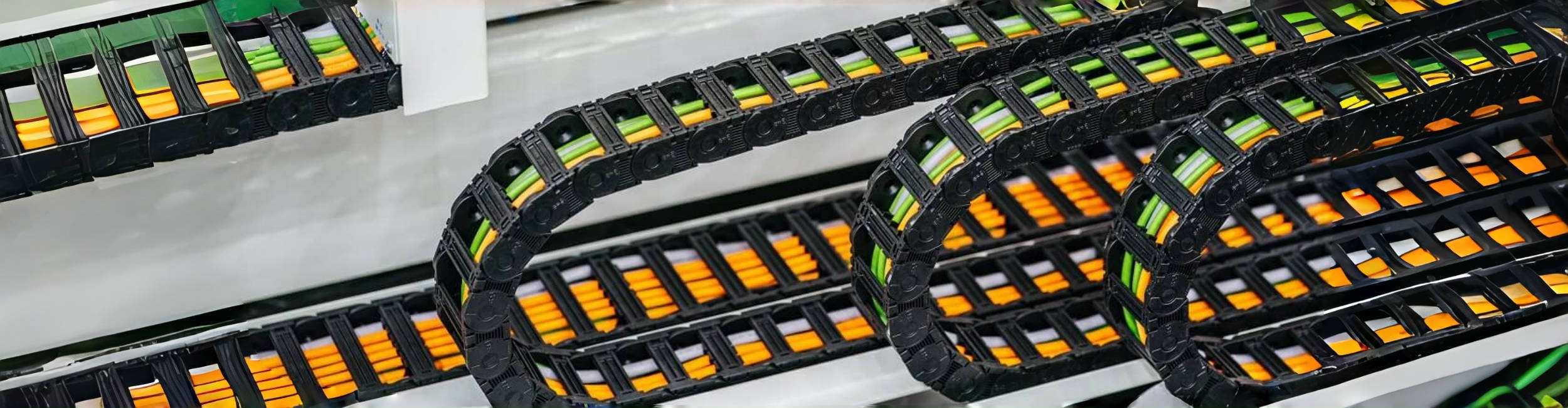
Cable drag chains, also known as energy chains, are mechanical devices designed to guide and protect flexible cables and hoses in dynamic applications. They are prominently used in various manufacturing settings, particularly in machine tools and automation equipment. The primary function of a cable drag chain is to facilitate the smooth movement of cables and hoses while preventing tangling, wear
2025-08-09
One of the most significant advantages of using cable drag chains is their ability to minimize cable stress. In environments where machinery operates with considerable movement, such as CNC machines or robotic arms, cables can experience repetitive bending and twisting. This stress can lead to premature wear and potential failure. Cable drag chains effectively distribute this movement, ensuring the cables remain intact for extended periods, thus reducing downtime for maintenance or replacements.
In addition to protecting cables, cable drag chains provide a clean and organized working environment. By containing and routing cables neatly, they help prevent tripping hazards and improve overall safety in the workplace. This organization not only enhances safety but also contributes to a more efficient workflow, as operators can easily access and identify cables without the hassle of dealing with cluttered wiring.
When selecting a cable drag chain, several technical considerations are essential. Factors such as the size and bending radius of the chain, the type and weight of the cables being used, and the operating environment should all be taken into account. For instance, in high-temperature or corrosive environments, choosing materials that can withstand such conditions is crucial for longevity.
Moreover, cable drag chains come in various designs and configurations, allowing customization to meet specific application needs. Some chains feature additional accessories, such as strain reliefs and mounting brackets, further enhancing their functionality. It's also essential to consider the installation process, as proper setup is vital to ensure optimal performance and longevity.
In summary, cable drag chains are an indispensable component in modern manufacturing processes, particularly in machine tools and automation systems. They not only protect and manage cables efficiently but also contribute to workplace safety and operational efficiency. Understanding the technical aspects and applications of cable drag chains can lead to better decision-making when incorporating them into your manufacturing setup, fostering a more streamlined and productive environment.
Related News

Maximizing Efficiency with Cable Drag Chains in Manufacturing
In the realm of manufacturing and machining, the need for organized, efficient, and safe cable management is paramount. This is where cable drag chains come into play. A cable drag chain is designed to house and protect cables, hoses, and other components, allowing for smooth, unhindered movement in machinery. With a variety of designs and configurations available, they cater to specific requireme
How to Troubleshoot Issues with Your Plastic Drag Chain Table of Contents Understanding Plastic Drag Chains Common Issues with Plastic Drag Chains Identifying the Symptoms of Drag Chain Failure Step-by-Step Troubleshooting Guide Preventative Maintenance Tips for Plastic Drag Chains When to Replace Your Drag Chain Best Practices for Installing Drag Chains Conclusion
Subscribe to
Get the latest information on company products


Contact
Add: 14-2,Liandong U Valley,Manufacturing Industrial Park,Tangxia Town,Pengjiang District,Jiangmen City Guangdong Province, China