Krius Intelligent Manufacturing (Jiangmen) Co., Ltd.

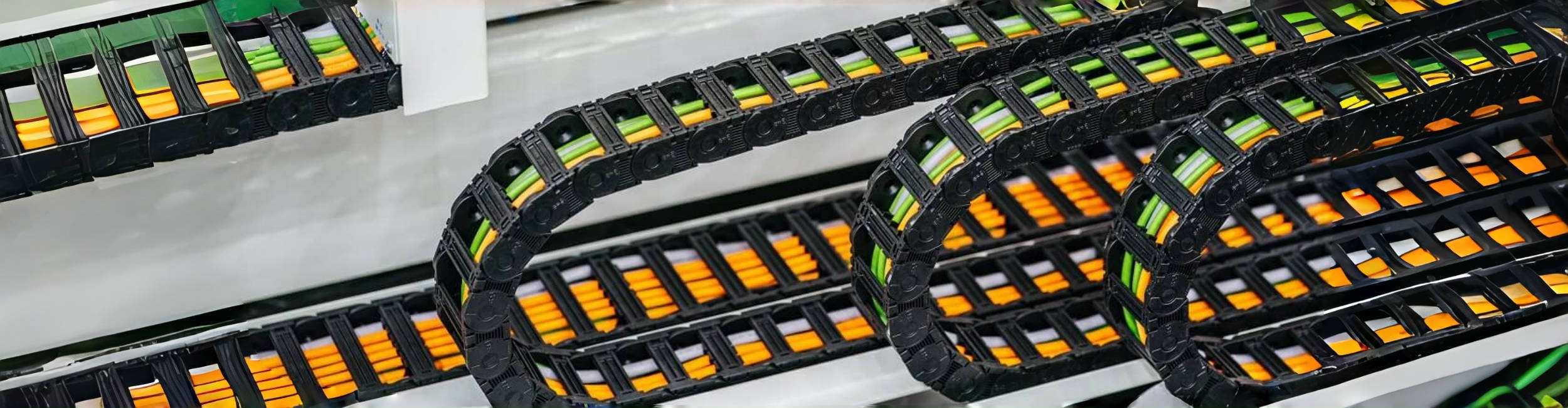
How Nylon Drag Chains Enhance Performance in Automated Systems
How Nylon Drag Chains Enhance Performance in Automated Systems Table of Contents 1. Introduction to Nylon Drag Chains 2. Key Benefits of Nylon Drag Chains 2.1 Durability and Strength 2.2 Flexibility and Versatility 2.3 Lightweight Nature 3. Applications of Nylon Drag Chains in Automated Systems 3.1 Manufacturin
2025-07-13
How Nylon Drag Chains Enhance Performance in Automated Systems
Table of Contents
- 1. Introduction to Nylon Drag Chains
- 2. Key Benefits of Nylon Drag Chains
- 3. Applications of Nylon Drag Chains in Automated Systems
- 4. Installation and Maintenance of Nylon Drag Chains
- 5. Comparison of Nylon Drag Chains with Other Materials
- 6. Case Studies: Successful Implementation
- 7. Future Trends in Nylon Drag Chain Technology
- 8. Conclusion
- 9. Frequently Asked Questions (FAQs)
1. Introduction to Nylon Drag Chains
In the realm of automated systems, the efficiency and reliability of components are paramount. **Nylon drag chains** have emerged as a critical element in ensuring smooth operation in various machines and automated setups. These chains, designed to manage the movement of cables and hoses, offer several advantages that enhance overall performance. This article delves into the numerous ways in which nylon drag chains elevate automation capabilities across different industries.
2. Key Benefits of Nylon Drag Chains
2.1 Durability and Strength
Nylon is renowned for its **exceptional durability**, making it an ideal choice for drag chains. Unlike metal counterparts, nylon drag chains resist corrosion, wear, and environmental factors, ensuring longevity. Their robust construction allows them to withstand heavy loads and repetitive movements, translating to fewer replacements and reduced downtime in automated systems.
2.2 Flexibility and Versatility
One of the standout features of nylon drag chains is their **flexibility**. These chains can easily accommodate various cable diameters and lengths, making them suitable for diverse applications. Their adaptability enhances the effectiveness of automated systems, allowing for seamless integration into existing setups without extensive modifications.
2.3 Lightweight Nature
**Weight plays a crucial role** in the efficiency of automated systems. Nylon drag chains are significantly lighter than their metallic counterparts, thereby reducing the overall weight of the machinery. This weight reduction leads to lower energy consumption during operation, making systems more efficient and cost-effective.
3. Applications of Nylon Drag Chains in Automated Systems
Nylon drag chains find application across a spectrum of industries, showcasing their versatility and effectiveness in enhancing performance.
3.1 Manufacturing Industry
In manufacturing, nylon drag chains are instrumental in managing electrical cables and pneumatic hoses in machinery. Their ability to provide organized cable management contributes to a safer and more efficient workspace, minimizing the risk of entanglement and damage.
3.2 Robotics and Automation
The robotics sector heavily relies on nylon drag chains for seamless movement of cables that power robotic arms and sensors. The chains facilitate smooth motion, allowing for precise and accurate operations, which is essential in high-stakes environments such as assembly lines.
3.3 Transportation Systems
In transportation systems, nylon drag chains are integral in ensuring that power and data cables are efficiently routed. They are commonly used in conveyor systems, elevating the speed and reliability of material handling, which is crucial in logistics and warehousing.
4. Installation and Maintenance of Nylon Drag Chains
Proper installation and maintenance are vital to maximizing the benefits of nylon drag chains in automated systems.
4.1 Installation Process
The installation of nylon drag chains involves several steps to ensure optimal performance. Begin by planning the layout, considering the movement requirements and cable types. Secure the chain to the machinery, ensuring that it allows for free movement without strain. Proper alignment and spacing are critical to prevent wear and ensure longevity.
4.2 Maintenance Tips for Longevity
To maintain the performance of nylon drag chains, regular inspections are essential. Check for wear, ensure proper lubrication, and replace any damaged sections promptly. Additionally, keeping the installation area clean from debris and contaminants will help prolong the lifespan of the drag chains.
5. Comparison of Nylon Drag Chains with Other Materials
When evaluating drag chains, it's essential to compare nylon with other materials such as steel and aluminum. While metal chains offer strength, they can be prone to rust and corrosion, leading to higher maintenance costs. In contrast, nylon's resistance to environmental factors and lightweight nature often make it the superior choice for automated systems.
6. Case Studies: Successful Implementation
Several industries have successfully implemented nylon drag chains, reaping the benefits of enhanced automation. For instance, a leading automotive manufacturer integrated nylon drag chains into their assembly line, resulting in a 30% reduction in downtime and a significant increase in production efficiency. Another example can be found in the food processing sector, where nylon drag chains improved the cleanliness and safety of operations by reducing entangled cables.
7. Future Trends in Nylon Drag Chain Technology
As technology advances, the future of nylon drag chains looks promising. Innovations are being made in materials and design, leading to even more robust and lightweight options. The integration of smart technology, such as sensors within drag chains, is expected to revolutionize monitoring and predictive maintenance, ultimately enhancing performance and reliability in automated systems.
8. Conclusion
Nylon drag chains play a vital role in bolstering performance in automated systems. Their durability, flexibility, and lightweight properties contribute significantly to the efficiency and safety of various applications. As industries continue to evolve, the importance of incorporating high-quality nylon drag chains into automated setups cannot be overstated. Embracing these innovations will ensure seamless operations and pave the way for future advancements in automation.
9. Frequently Asked Questions (FAQs)
What are nylon drag chains used for?
Nylon drag chains are primarily used to manage cables and hoses in automated systems, providing organized movement and protection during operation.
How do nylon drag chains compare to metal chains?
Nylon drag chains are lighter, resistant to corrosion, and generally more flexible than metal chains, making them a preferred choice in many applications.
Can nylon drag chains be used in outdoor environments?
Yes, nylon drag chains can be used outdoors, but it's important to choose UV-resistant materials for prolonged exposure to sunlight.
What maintenance is required for nylon drag chains?
Regular inspections, lubrication, and prompt replacement of damaged sections are essential maintenance practices to ensure longevity.
Are nylon drag chains customizable?
Yes, nylon drag chains can be customized in terms of size, length, and bend radius to meet specific operational requirements in various applications.
Related News

Maximizing Efficiency with Cable Drag Chains in Manufacturing
In the realm of manufacturing and machining, the need for organized, efficient, and safe cable management is paramount. This is where cable drag chains come into play. A cable drag chain is designed to house and protect cables, hoses, and other components, allowing for smooth, unhindered movement in machinery. With a variety of designs and configurations available, they cater to specific requireme
How to Troubleshoot Issues with Your Plastic Drag Chain Table of Contents Understanding Plastic Drag Chains Common Issues with Plastic Drag Chains Identifying the Symptoms of Drag Chain Failure Step-by-Step Troubleshooting Guide Preventative Maintenance Tips for Plastic Drag Chains When to Replace Your Drag Chain Best Practices for Installing Drag Chains Conclusion
Subscribe to
Get the latest information on company products


Contact
Add: 14-2,Liandong U Valley,Manufacturing Industrial Park,Tangxia Town,Pengjiang District,Jiangmen City Guangdong Province, China