Krius Intelligent Manufacturing (Jiangmen) Co., Ltd.

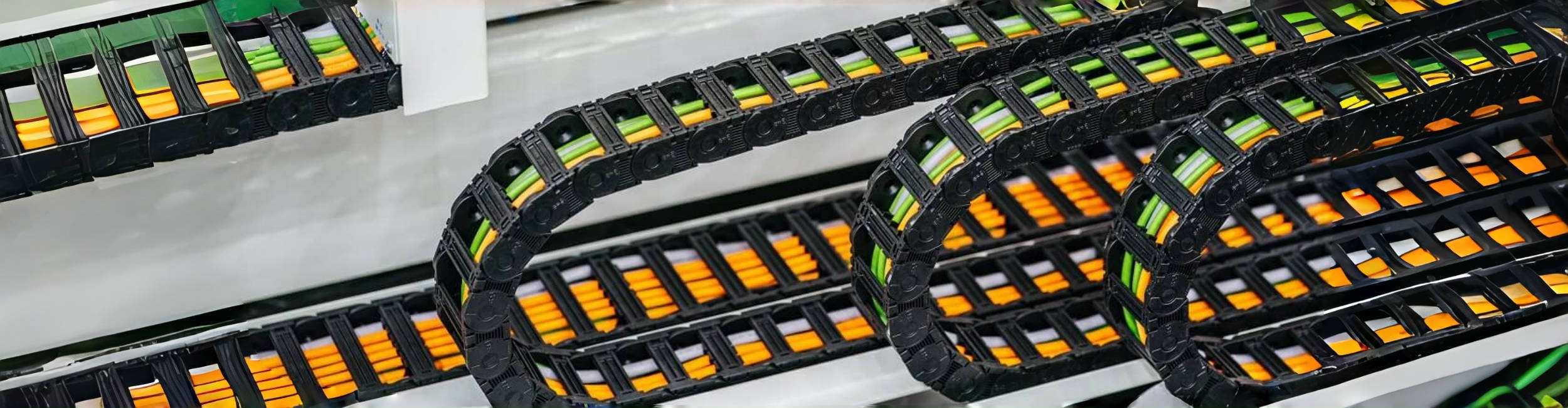
Understanding Nylon Drag Chains: Essential Components for Efficient Machinery
Nylon drag chains, also known as cable carriers or energy chains, are designed to manage and protect cables and hoses in dynamic environments. These versatile components facilitate smooth movement, reduce wear and tear, and enhance the longevity of equipment. As machines operate, the need for organized cable management becomes paramount. Mismanaged cables can lead to entanglement, abrasion, and ul
2025-07-08
One significant advantage of nylon drag chains is their lightweight yet durable construction. Made from high-quality nylon, these drag chains provide excellent resistance to chemicals and abrasion, making them suitable for various environments, including those with high humidity or exposure to oils and lubricants. Their flexibility allows for easy installation in tight spaces while also accommodating a range of cable sizes and types. This adaptability is particularly beneficial in complex machinery setups where multiple cables must be routed without interference.
Another critical aspect of nylon drag chains is their ability to reduce noise and vibrations during operation. By securely holding cables and hoses in place, they minimize the chances of rattling or clanging that can occur in machinery. This not only contributes to a more pleasant working environment but also helps maintain the integrity and performance of sensitive equipment.
When selecting a nylon drag chain, it's essential to consider the specific requirements of your machinery. Factors such as the length of travel, operating speed, and the type of cables or hoses being used should all be taken into account. Additionally, the environment in which the machinery operates can influence the choice of drag chain. For example, if the application involves high temperatures or exposure to harsh chemicals, choosing a nylon drag chain with enhanced chemical resistance or thermal stability is vital.
Moreover, regular maintenance and inspection of nylon drag chains can significantly extend their lifespan. Checking for wear and tear, ensuring proper lubrication, and monitoring the alignment of cables can help prevent unexpected downtime and costly repairs.
In summary, nylon drag chains are indispensable components in the manufacturing and machining industry. Their lightweight construction, flexibility, and ability to protect cables are key factors that contribute to the efficiency and reliability of machinery. By understanding the benefits and proper maintenance of nylon drag chains, professionals can ensure optimal performance and longevity in their equipment, ultimately leading to improved productivity and reduced operational costs.
Related News

Maximizing Efficiency with Cable Drag Chains in Manufacturing
In the realm of manufacturing and machining, the need for organized, efficient, and safe cable management is paramount. This is where cable drag chains come into play. A cable drag chain is designed to house and protect cables, hoses, and other components, allowing for smooth, unhindered movement in machinery. With a variety of designs and configurations available, they cater to specific requireme
How to Troubleshoot Issues with Your Plastic Drag Chain Table of Contents Understanding Plastic Drag Chains Common Issues with Plastic Drag Chains Identifying the Symptoms of Drag Chain Failure Step-by-Step Troubleshooting Guide Preventative Maintenance Tips for Plastic Drag Chains When to Replace Your Drag Chain Best Practices for Installing Drag Chains Conclusion
Subscribe to
Get the latest information on company products


Contact
Add: 14-2,Liandong U Valley,Manufacturing Industrial Park,Tangxia Town,Pengjiang District,Jiangmen City Guangdong Province, China