Krius Intelligent Manufacturing (Jiangmen) Co., Ltd.

Understanding Cable Drag Chains: Essential Components for Efficient Machinery Operation
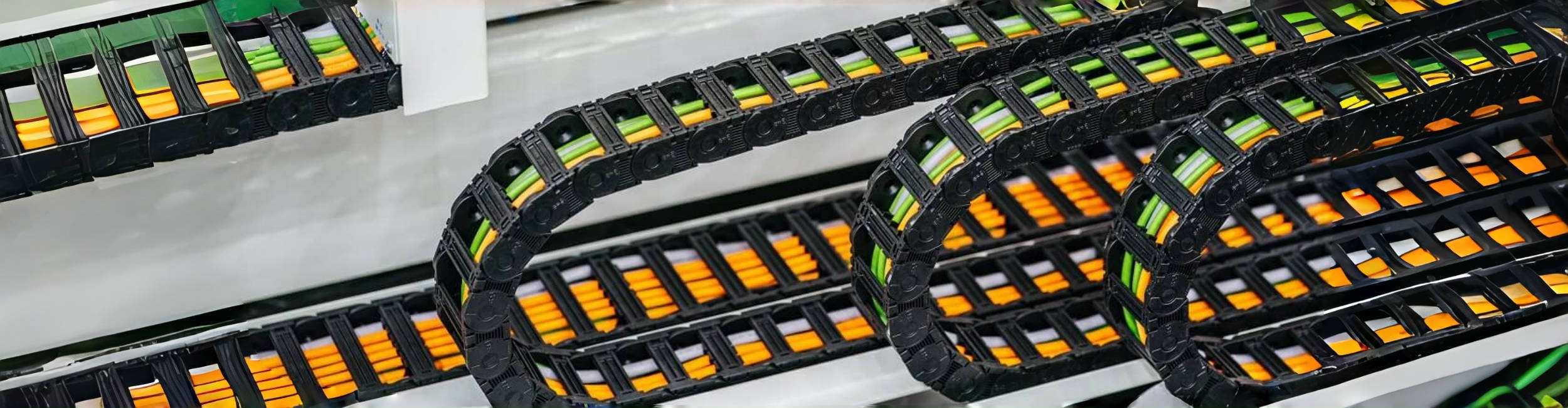
Cable drag chains, also known as energy chains, are essential components utilized in the manufacturing and processing machinery industry, particularly in machine tool accessories. Their primary function is to manage and protect the cables and hoses that power and control machinery. This guide delves into the functionality, benefits, and applications of cable drag chains to help you understand thei
2025-06-24
A cable drag chain consists of numerous interconnected links that form a protective channel for cables and hoses. When machinery operates, these chains facilitate the smooth movement of cables, ensuring they do not become tangled or subject to wear and tear. This capability is vital in dynamic environments where equipment experiences significant movement, such as CNC machines, robotics, and automated production lines.
One of the primary advantages of using cable drag chains is that they prolong the lifespan of cables and hoses. By providing an organized pathway, these chains prevent friction and abrasion that could otherwise occur if cables were left loose or unprotected. Additionally, they minimize the risk of cable damage caused by environmental factors such as dust, moisture, or chemical exposure, creating a safer operating environment.
Another key benefit of cable drag chains is their contribution to operational efficiency. By ensuring that cables are neatly arranged and easily accessible, these chains help reduce downtime during maintenance or repairs. Technicians can quickly identify and address any issues without the need for extensive disassembly, thus enhancing overall productivity.
In terms of design, cable drag chains come in various sizes and configurations to cater to different machinery requirements. They can be customized to accommodate specific cable types, lengths, and functional needs, making them versatile solutions for diverse applications. Industries ranging from automotive manufacturing to aerospace rely on their reliability and adaptability.
When integrating cable drag chains into your machinery, it’s essential to consider factors such as the environment, the type of movement involved, and the specific cables being used. Proper installation and maintenance are crucial to ensure optimal performance. Regular inspections can help identify wear and tear, allowing for timely replacements or adjustments to avoid potential issues.
In conclusion, cable drag chains play a pivotal role in the functionality and efficiency of manufacturing machinery. By protecting cables, enhancing operational efficiency, and providing a customizable solution for cable management, these chains are invaluable assets in the manufacturing and processing industry. Understanding their importance can aid businesses in choosing the right components that align with their operational goals, ultimately leading to improved performance and reduced costs.
Related News

Maximizing Efficiency with Cable Drag Chains in Manufacturing
In the realm of manufacturing and machining, the need for organized, efficient, and safe cable management is paramount. This is where cable drag chains come into play. A cable drag chain is designed to house and protect cables, hoses, and other components, allowing for smooth, unhindered movement in machinery. With a variety of designs and configurations available, they cater to specific requireme
How to Troubleshoot Issues with Your Plastic Drag Chain Table of Contents Understanding Plastic Drag Chains Common Issues with Plastic Drag Chains Identifying the Symptoms of Drag Chain Failure Step-by-Step Troubleshooting Guide Preventative Maintenance Tips for Plastic Drag Chains When to Replace Your Drag Chain Best Practices for Installing Drag Chains Conclusion
Subscribe to
Get the latest information on company products


Contact
Add: 14-2,Liandong U Valley,Manufacturing Industrial Park,Tangxia Town,Pengjiang District,Jiangmen City Guangdong Province, China