Krius Intelligent Manufacturing (Jiangmen) Co., Ltd.

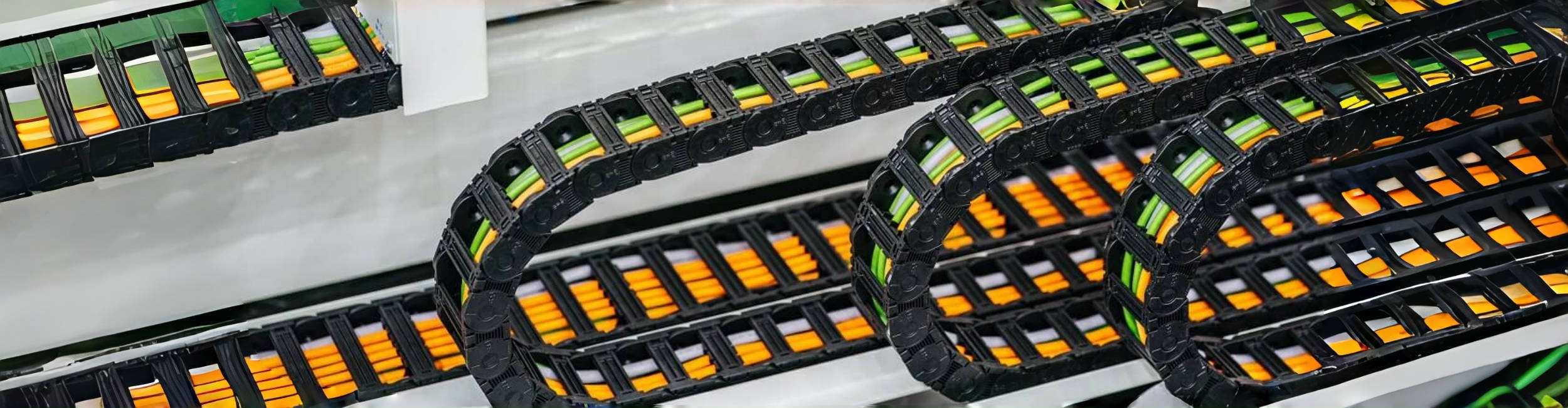
Understanding Plastic Drag Chains: Essential Components for Efficient Machine Operation
Plastic drag chains, often referred to as energy chains, are designed to guide and protect moving cables and hoses in machinery and equipment. These components play a crucial role in enhancing the efficiency and longevity of machines by ensuring that electrical wires and hydraulic hoses are securely managed during operation. In environments where machinery operates continuously, the risk of wear a
2025-06-10
One of the primary advantages of using plastic drag chains is their lightweight yet durable construction. Made from high-quality plastic materials, these chains are resistant to various environmental factors, including temperature fluctuations, chemicals, and UV exposure. This durability not only extends the lifespan of the cables and hoses they protect but also reduces maintenance costs associated with cable replacement and downtime.
Another critical benefit of plastic drag chains is their flexibility in design and installation. They come in various sizes and configurations, allowing manufacturers to choose chains that fit their specific machine requirements. Furthermore, many drag chains are designed to be modular, enabling easy assembly and customization. This adaptability makes them suitable for a wide range of applications, from CNC machines and robotic arms to conveyor systems and packaging equipment.
In addition to their protective qualities, plastic drag chains contribute to the overall safety and efficiency of machinery operations. By organizing cables and hoses, they prevent tangling and reduce the risk of damage that could lead to operational failures. Moreover, this organized layout facilitates quicker troubleshooting and maintenance, as technicians can easily identify and access individual components.
When selecting plastic drag chains for a specific application, professionals should consider factors such as the bending radius, load capacity, and the environment in which the chains will operate. Proper sizing and installation are crucial for maximizing the performance of plastic drag chains and ensuring they meet the demands of the machinery they support.
In conclusion, plastic drag chains are indispensable for any manufacturing operation that relies on the efficient movement and management of cables and hoses. Their durable construction, flexibility in design, and contribution to machine safety make them a top choice for professionals in the machining industry. Understanding how to effectively integrate these components can significantly enhance operational efficiency and reduce maintenance challenges, making plastic drag chains a critical element in modern manufacturing processes.
Related News

Maximizing Efficiency with Cable Drag Chains in Manufacturing
In the realm of manufacturing and machining, the need for organized, efficient, and safe cable management is paramount. This is where cable drag chains come into play. A cable drag chain is designed to house and protect cables, hoses, and other components, allowing for smooth, unhindered movement in machinery. With a variety of designs and configurations available, they cater to specific requireme
How to Troubleshoot Issues with Your Plastic Drag Chain Table of Contents Understanding Plastic Drag Chains Common Issues with Plastic Drag Chains Identifying the Symptoms of Drag Chain Failure Step-by-Step Troubleshooting Guide Preventative Maintenance Tips for Plastic Drag Chains When to Replace Your Drag Chain Best Practices for Installing Drag Chains Conclusion
Subscribe to
Get the latest information on company products


Contact
Add: 14-2,Liandong U Valley,Manufacturing Industrial Park,Tangxia Town,Pengjiang District,Jiangmen City Guangdong Province, China